
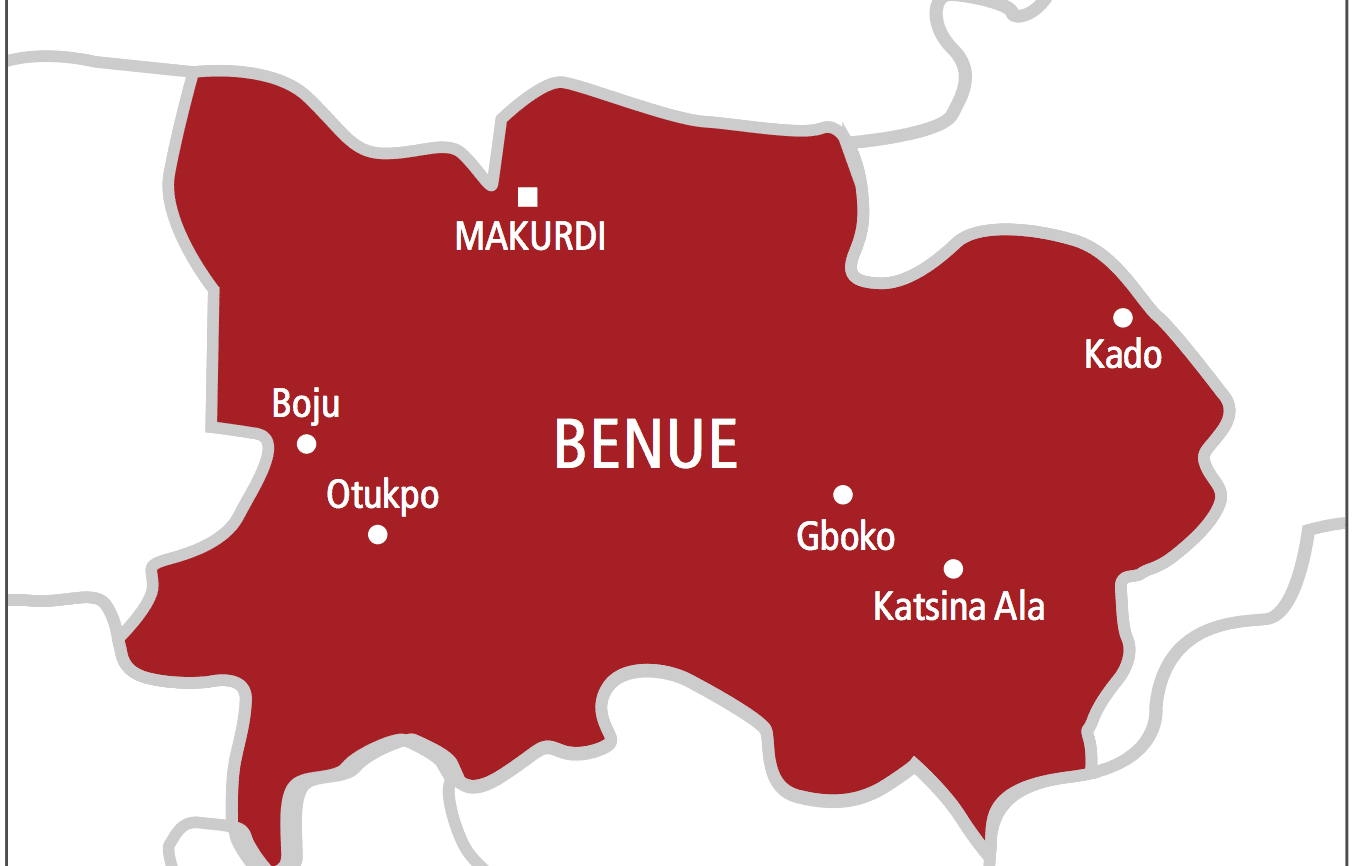
The Benue State Police Command has assured parents, students, and residents that schools across the state remain safe, despite growing concerns over insecurity in different parts of Nigeria. The Commissioner of Police, Mr. Emenari Ifeanyi, gave the assurance on Friday during a media briefing in Makurdi, the state capital.
Mr. Ifeanyi explained that the command has established a strong security arrangement around schools, including special institutions such as girls’ schools, which are often considered more vulnerable. The move comes at a time when Nigerians are increasingly worried about attacks on educational institutions, especially in the northern region where incidents of kidnapping and school invasions have occurred over the years.
Speaking to journalists, the Commissioner said the command has posted security personnel to strategic schools across the state. In addition, members of the Schools Protection Squad (SPS)—a special security unit created to improve safety in educational environments—are also active in many schools.
He explained that the directive to secure all schools and worship centres came from the Inspector General of Police (IGP), who urged Commissioners of Police nationwide to prioritize the protection of children, teachers, and worshippers.
“The IGP has already given directives to all the Commissioners of Police in the country to make sure that schools and worship centres, including our mosques, are secured,” he said.
Mr. Ifeanyi added that even before the IGP’s directive, the Benue State Police Command had already begun reinforcing security in public schools, with special focus on girls’ schools.
“As we speak now, we have put permanent security men in the girls’ schools, while in other schools, we have deployed our men to carry out routine patrols and have asked the principals to have police telephone numbers so that if anything happens, they can call the police immediately for necessary action,” he noted.
Nigeria has faced repeated attacks on schools in the past decade, especially in states like Borno, Kaduna, Zamfara, and Niger, where insurgent and bandit groups have targeted students for kidnapping and ransom. High-profile incidents, such as the 2014 Chibok schoolgirls’ abduction and later mass kidnappings in Kankara and Jangebe, created national and international alarm.
Although Benue State has not experienced large-scale school kidnappings like those seen in some northern states, it has dealt with security challenges linked to communal clashes, banditry, and farmer–herder conflicts in some rural areas. This has made parents more anxious about the safety of their children.
The Commissioner’s reassurance therefore comes as an attempt to calm fears and restore confidence in the safety of the state’s educational institutions.
Beyond deploying security personnel, the police command has also launched training programmes for teachers and students. Mr. Ifeanyi said the training focuses on improving awareness, emergency response, and communication with law enforcement in case of any unusual activity around schools.
“We have also organized a programme to train both teachers and students on what to do if anything happens, especially getting in contact with police, so we have our schools properly covered,” he said.
The Commissioner emphasized that school administrators have been instructed to maintain direct communication with the police. He said principals must have emergency phone contacts of police officers, and they are expected to call immediately if they observe suspicious movement, unknown individuals, or any situation that may threaten safety.
This strategy aims to reduce response time, as delays in reporting security threats have contributed to previous attacks in other parts of the country.
Mr. Ifeanyi encouraged the public to cooperate with the police by providing information that could help maintain peace and security. He explained that community involvement plays a crucial role in preventing crimes and ensuring quick intervention when needed.
Security remains one of the biggest challenges facing Nigeria today. Many states have taken steps to protect schools, places of worship, markets, and communities. The federal government has also supported state security agencies with training, equipment, and directives to prevent attacks, especially on soft targets like schools.