
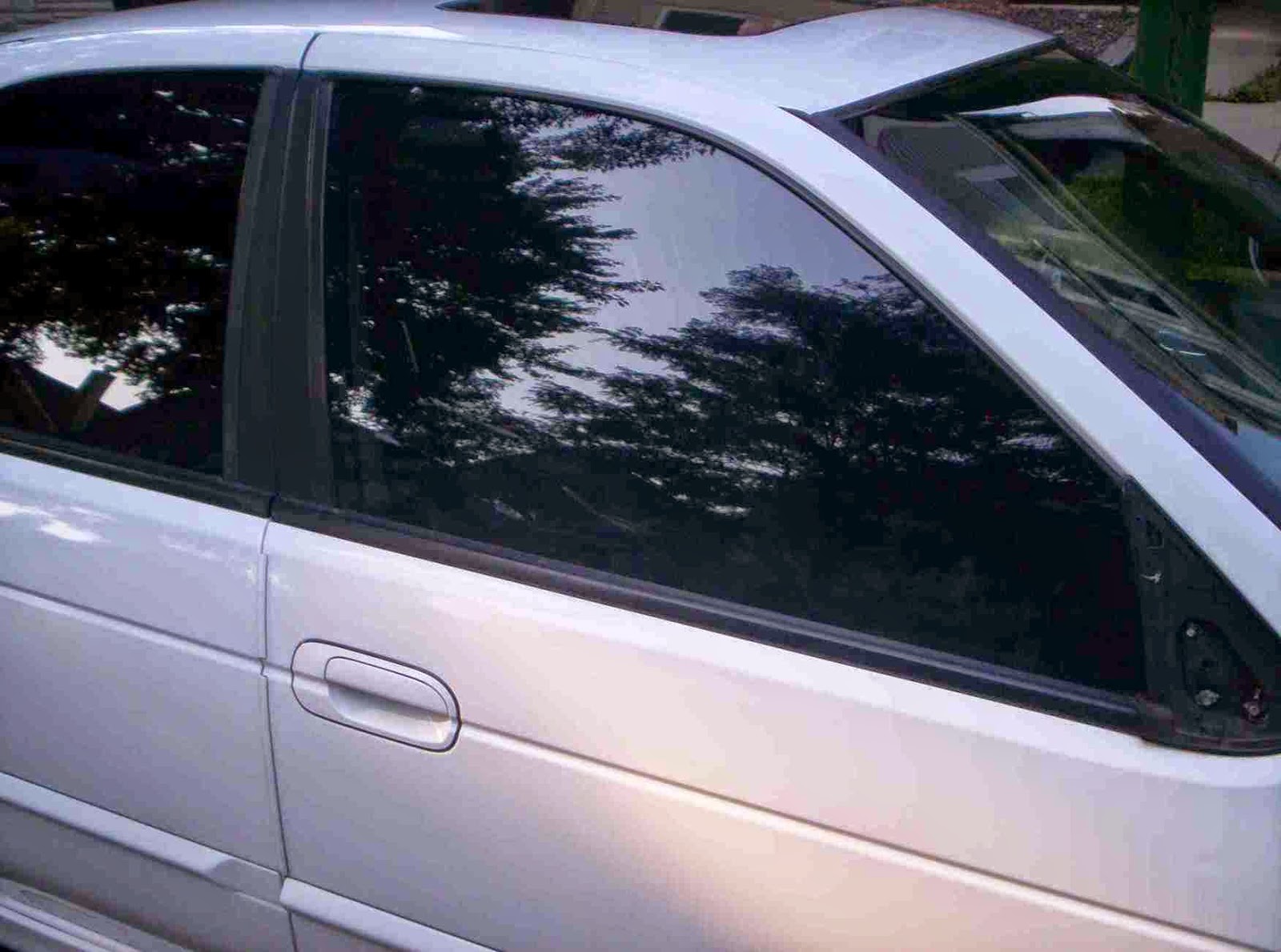
The Nigeria Police Force has announced that it will resume full enforcement of the Tinted Glass Permit policy nationwide from January 2, 2026. The decision, according to the police, is aimed at addressing growing security concerns and reducing crimes linked to the misuse of vehicles with unauthorised tinted glass.
The announcement was made in a statement issued by the Force Public Relations Officer, Chief Superintendent of Police (CSP) Benjamin Hundeyin, on December 15, 2025. The statement was released on behalf of the Inspector-General of Police (IGP), Kayode Adeolu Egbetokun.
According to the police, the enforcement will resume while the matter concerning tinted glass regulations is still before the court. However, the Force clarified that no court order has ever stopped it from enforcing existing laws on tinted glass usage in the country.
The police explained that enforcement was earlier suspended voluntarily. This was done to give motorists enough time to regularise their documents and apply for tinted glass permits without pressure or harassment.
“It is important to clarify that at no point did the court restrain the Nigeria Police Force from enforcing the provisions of the law regarding the use of tinted glass on vehicles,” the statement said.
The Force noted that the temporary suspension was part of its effort to show responsibility, transparency, and concern for public convenience. During that period, motorists were encouraged to register properly and obtain the required permits.
However, the police said recent security reports have made it necessary to resume enforcement. According to the statement, there has been a noticeable increase in crimes involving vehicles with unauthorised tinted glass.
The police revealed that criminals now take advantage of tinted vehicles to hide their identities and carry out serious crimes. These crimes include armed robbery, kidnapping, and other violent acts that threaten public safety.
“Some individuals and organised criminal groups have exploited this gap to conceal their identities and facilitate crimes,” the police said.
Because of this trend, the Nigeria Police Force said it has become urgent to act. The resumption of enforcement is described as a proactive step to protect lives and property across the country.
From January 2, 2026, motorists whose vehicles have tinted glass will be required to present valid tinted glass permits when stopped by police officers. Vehicles without the necessary permit may face penalties in line with the law.
The Inspector-General of Police assured Nigerians that the enforcement exercise will not be an excuse for abuse or extortion. He promised that officers will act professionally and respect the rights of citizens.
“Renewed enforcement will be carried out with utmost professionalism, respect for the rights of citizens, and in accordance with extant laws,” the statement quoted the IGP as saying.
The police leadership also stressed its commitment to the rule of law and public safety. According to the IGP, the Force will continue to work with other security agencies, civil society groups, and the general public to keep Nigeria safe.
Tinted glass regulation has long been a sensitive issue in Nigeria. Many Nigerians use tinted glass for reasons such as privacy, protection from sunlight, and security. Some vehicles even come with factory-fitted tinted glass.
However, Nigerian law requires motorists to obtain a permit before using tinted glass. The permit allows the police to identify authorised vehicles, especially those belonging to security agencies, government officials, or individuals with genuine medical or security needs.
Over the years, enforcement of tinted glass rules has faced several challenges. Motorists have often complained about harassment, extortion, and inconsistent application of the law by security officers.
In response to public complaints, the police have in the past suspended enforcement and introduced reforms. These include online application systems and public awareness campaigns to educate drivers on the proper process.
Despite these efforts, the police say the misuse of tinted vehicles by criminals has continued. Security experts note that tinted glass makes it difficult for officers to see occupants of a vehicle during stop-and-search operations.
This, they say, increases the risk to both law enforcement officers and the public. It also makes it easier for criminals to move freely without detection.
The police believe that proper enforcement of tinted glass permits will help reduce these risks. By ensuring that only authorised vehicles use tinted glass, officers can better identify suspicious movements on the roads.
Motorists who genuinely need tinted glass have been advised to apply through approved channels. The police say the application process is straightforward and designed to reduce human contact and corruption.
Applicants are expected to provide details of their vehicle, reasons for requesting tinted glass, and supporting documents where necessary. Once approved, the permit should be kept in the vehicle at all times.
The police have urged Nigerians not to wait until enforcement resumes before taking action. Motorists are encouraged to use the remaining weeks to regularise their documents and ensure full compliance with the law.
Public reaction to the announcement has been mixed. While some Nigerians support the move as a way to tackle crime, others worry about possible abuse by officers during enforcement.
In recent years, the Nigeria Police Force has promised reforms aimed at improving public trust. The leadership has repeatedly warned officers against extortion and misconduct, especially during traffic checks.
The resumption of tinted glass enforcement will likely test these reform efforts. Many Nigerians will be watching closely to see whether the police keep their promise of professionalism.
Still, the police insist that enforcing existing laws is an important step. They believe that allowing unauthorised tinted glass creates loopholes that criminals are quick to exploit.
As January 2, 2026, approaches, motorists are advised to stay informed and comply with the rules. The police have assured the public that further updates and guidelines will be shared through official channels.