
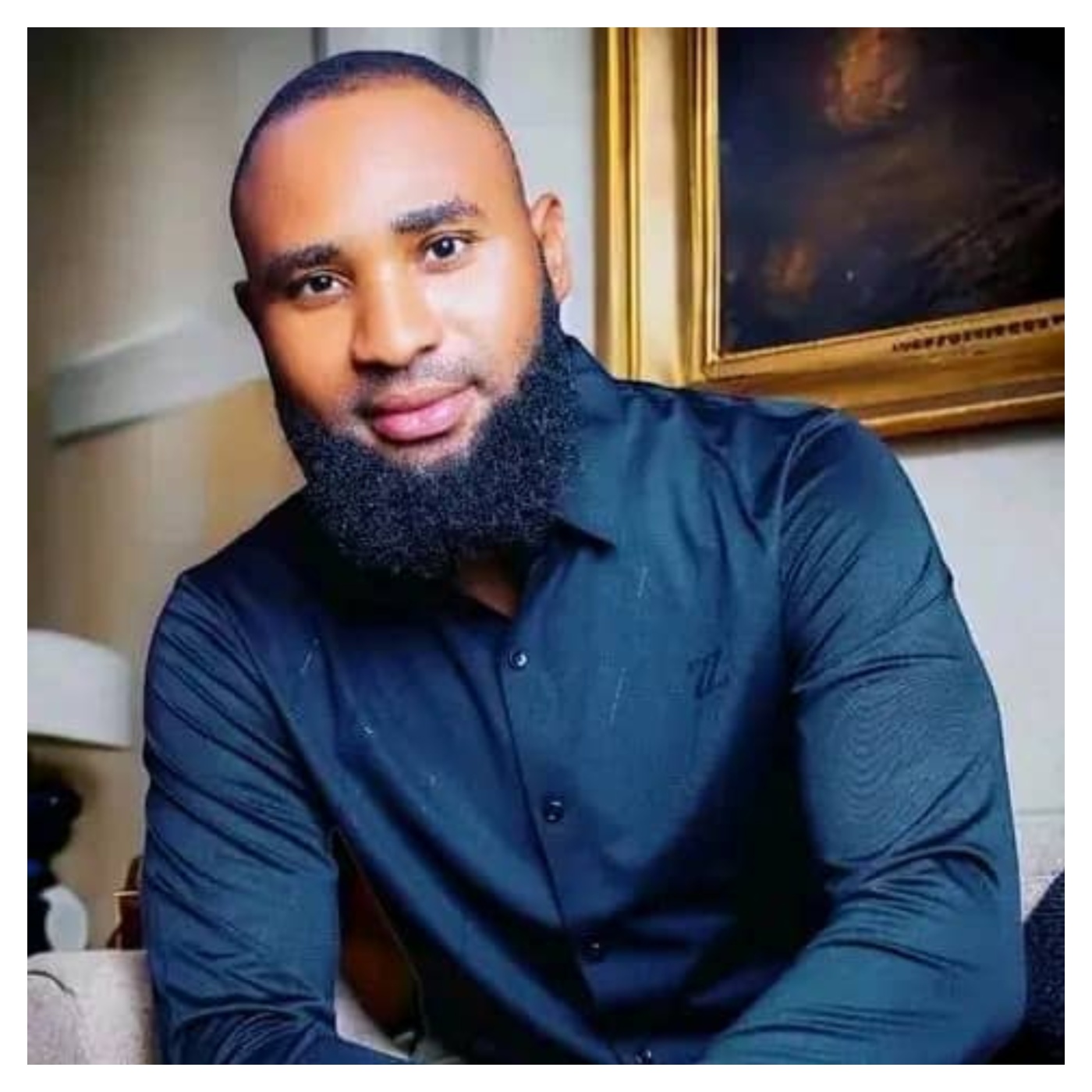
More details have continued to emerge following the killing of Mr Igwe Akuma Akwu, the former President-General of the National Association of Ohafia Students (NAOS), who was assassinated on January 2, 2026, in Ohafia Local Government Area of Abia State.
Akwu, a young community leader and indigene of Ndi Uma compound in Okon-Aku, Ohafia, was shot dead by unknown gunmen on Friday, January 2. His killing sparked anger across the community, leading to protests and the destruction of several properties in the area.
The incident has drawn widespread attention, not only because of the violence that followed, but also due to fresh revelations suggesting that the late youth leader had earlier raised alarm about threats to his life.
In a statement released shortly after the incident, the Abia State Police Command confirmed the killing and said some suspects had been arrested in connection with the crime. The police also disclosed that two tactical teams were deployed to the community to restore peace and prevent further breakdown of law and order.
However, documents and social media posts made by the late Akwu before his death have raised serious concerns about the security response to his earlier complaints.
Records show that on December 30, 2025, just three days before he was killed, Akwu made a detailed post on social media warning that his life, as well as the lives of members of his community, were under serious threat.
In the post, the former NAOS President-General alleged that he was violently attacked in January 2025. According to him, some thugs working for a powerful individual beat him mercilessly. He claimed the attack was reported but no meaningful action was taken.
Akwu also stated that on October 28, 2025, his Toyota Corolla car was set on fire by a group of people who, according to him, were openly boasting of their connections to government and their influence over security agencies.
In the same post, he revealed that his five-year-old cousin went missing following an earlier attack on his family. He said the incident further increased his fear and made him believe that his family was being targeted.
Toward the end of the post, Akwu openly expressed fear for his life. He warned that making the information public could put him in danger, but said he felt compelled to speak out because of the ongoing threats and lack of protection.
These revelations have led many residents and observers to question whether enough was done by authorities to protect the late youth leader after his public cry for help.
Akwu was widely known in Ohafia as an outspoken youth advocate and student leader. As former President-General of NAOS, he was involved in student and youth activities and often spoke on issues affecting young people in the area. His death has therefore left many shocked and angry.
Following the killing, protests broke out in parts of Ohafia, with youths expressing frustration over what they described as years of intimidation and insecurity. Some properties were destroyed during the unrest before security forces intervened.
The Abia State Police Command has appealed for calm and assured the public that investigations are ongoing. The police said they are working to identify and arrest all those involved in the killing.
Meanwhile, human rights groups, traditional institutions, and youth organisations have also stepped into the matter, calling for restraint and justice.
One of the strongest reactions came from the Foundation for Environmental Rights Advocacy & Development (FENRAD). In a press release issued on Sunday, the group’s Executive Director, Mr Nelson Nnanna Nwafor, condemned the killing and demanded urgent action.
Nwafor called for the immediate arrest and prosecution of those responsible for Akwu’s death. He also raised concerns about the apparent failure of security agencies to act on earlier warning signs.
“We call for a review of the security response mechanism to reported threats and early warning signals to prevent recurrence of similar tragedies,” Nwafor said.
He added that FENRAD was demanding accountability from relevant authorities, especially if investigations reveal lapses or negligence that contributed to the failure to protect the deceased.
“FENRAD also demands intentional accountability for any lapses or negligence that may have contributed to the failure to protect the deceased,” he said.
Other youth groups have echoed similar concerns, urging the government to take threats against activists and community leaders more seriously. They argue that ignoring early warnings often leads to violent outcomes.
Traditional rulers in Ohafia have also appealed for calm, urging youths to avoid further violence while investigations continue. They called on security agencies to ensure justice is done to prevent future unrest.
The killing has once again brought attention to growing concerns about insecurity and political violence in parts of Abia State. While the state has largely been peaceful compared to some other regions, cases of targeted attacks and unresolved disputes have continued to worry residents.
For many in Ohafia, the death of Igwe Akuma Akwu is not just a personal loss but a symbol of wider problems. Residents say justice for him will send a strong message that violence and intimidation will not be tolerated.
As investigations continue, the focus remains on identifying the killers, understanding the motive behind the attack, and determining whether earlier warnings were ignored.