
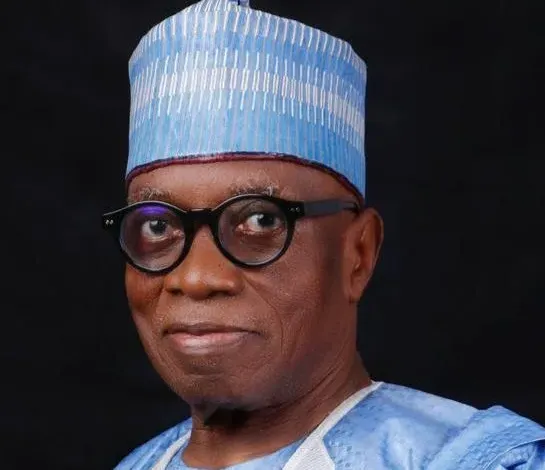
Yakubu Mohammed, a respected journalist and co-founder of the defunct Newswatch magazine, has died at the age of 75. His death marks another major loss to Nigeria’s media industry, especially coming just a few months after the passing of fellow Newswatch co-founder, Dan Agbese.
According to reports, Mohammed died after battling a prolonged illness. However, details surrounding the exact time and place of his death have not been officially disclosed. As of the time of filing this report, his family had not issued a formal statement confirming the circumstances of his passing.
Mohammed’s death has drawn reactions from media practitioners and public figures who remember him as one of the journalists who helped shape investigative and in-depth journalism in Nigeria during the 1980s and 1990s.
Born on April 4, 1950, Yakubu Mohammed hailed from Ologba in Dekina Local Government Area of Kogi State. He obtained a bachelor’s degree in science before choosing a career in journalism, a path that would later make him one of the most influential figures in Nigeria’s print media history.
Mohammed was one of the founding members of Newswatch magazine, a weekly publication that became known for its bold reporting, detailed investigations, and strong editorial voice. Established in the mid-1980s, Newswatch quickly rose to prominence at a time when Nigeria was under military rule and press freedom was under serious threat.
As managing editor of Newswatch from 1986 to 1994, Mohammed played a key role in shaping the magazine’s content and direction. Under his leadership, Newswatch published several major investigative reports that exposed corruption, abuse of power, and social injustice. These reports often put the magazine and its editors at risk, but they also earned Newswatch national and international respect.
After serving as managing editor, Mohammed later became the deputy chief executive officer of Newswatch Communications Limited, the company behind the magazine. In this role, he was involved in both editorial oversight and administrative management, helping to sustain the organisation during difficult political and economic periods.
Newswatch was co-founded by a group of respected journalists, including Dele Giwa, Ray Ekpu, Dan Agbese, and Yakubu Mohammed. The magazine became a symbol of courageous journalism, especially after the assassination of Dele Giwa in 1986 through a parcel bomb, an incident that shocked the nation and remains unresolved.
Despite the risks, Mohammed and his colleagues continued to push for accountability and transparency through their work. Many journalists who passed through Newswatch later became leaders in the Nigerian media, a legacy often attributed to the strong editorial culture established by its founders.
Beyond journalism, Yakubu Mohammed also served in the education sector. He was once appointed pro-chancellor and later chancellor of the governing council of Ahmadu Bello University, Zaria. In this role, he contributed to policy direction and governance in one of Nigeria’s leading universities.
His involvement in university administration reflected his broader commitment to national development, education, and public service. Colleagues say he brought discipline, fairness, and intellectual depth to every role he held.
Mohammed’s death comes just months after the passing of Dan Agbese, another Newswatch co-founder, who died in November last year. The close timing of the two deaths has deepened the sense of loss within the Nigerian media community, as many see it as the gradual passing of a generation of journalists who stood firmly for press freedom.
Over the years, Newswatch itself struggled with financial challenges and changing media trends, eventually ceasing publication. However, its impact on Nigerian journalism remains strong. Many of the standards it set, especially in investigative reporting and editorial independence, continue to influence journalists today.
Yakubu Mohammed is remembered as a calm but firm editor, known for his attention to detail and commitment to accuracy. Those who worked with him describe him as a mentor who encouraged young journalists to be brave, ethical, and thorough in their reporting.
As tributes continue to pour in, many Nigerians are reflecting on his contributions to the media and the nation. His death is seen not just as the loss of an individual, but as the passing of an era in Nigerian journalism.