
At least 15 people have died and 49 others have been infected following a Lassa fever outbreak in several local government areas of Taraba State.
The Acting Head of Clinical Services at Federal Medical Centre, Jalingo, Dr. Suleiman Kirim, confirmed the figures while giving an update on the situation.
According to him, 45 patients are currently receiving treatment at different health facilities across the state, while 20 others have recovered and have been discharged.
“This is the largest Lassa fever outbreak the state has witnessed in the past 14 years,” Dr. Kirim said.
He expressed concern that many patients delay going to the hospital after noticing symptoms, which has contributed to the number of deaths recorded so far.
Dr. Kirim explained that one of the major challenges in controlling the outbreak is the delay by patients in seeking medical attention.
He said many residents first turn to traditional remedies or buy drugs from local chemists instead of going to a hospital for proper diagnosis and treatment.
“Many patients initially rely on traditional remedies or self-medication before visiting a hospital,” he said.
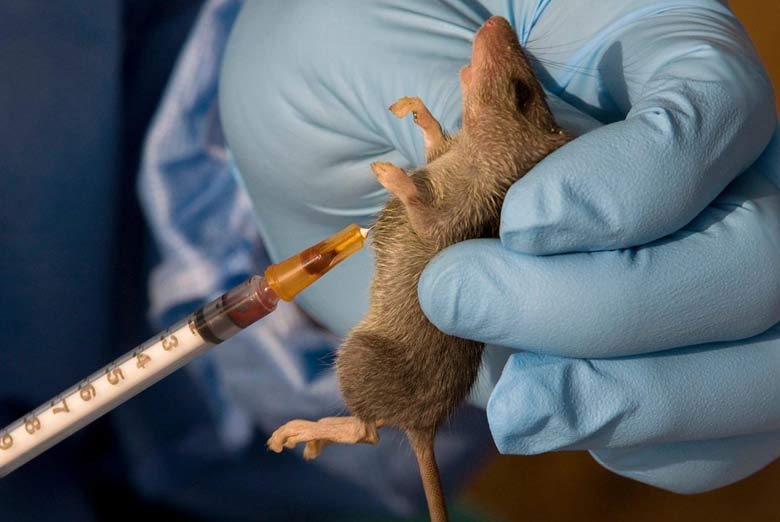
Symptoms of Lassa fever include high fever, headache, weakness, sore throat, vomiting, and in severe cases, bleeding. The disease is caused by the Lassa virus and is mainly spread through contact with food or household items contaminated by the urine or droppings of infected rats.
In some cases, it can also spread from person to person through contact with bodily fluids of an infected person.
Taraba State, located in North-East Nigeria, has recorded outbreaks of Lassa fever in the past, but health officials say this year’s outbreak is particularly severe.
The state shares borders with several other states, making surveillance and containment important to prevent further spread.
Dr. Kirim said the Federal Medical Centre in Jalingo is working closely with the Taraba State Government and the Nigeria Centre for Disease Control and Prevention to strengthen surveillance and improve emergency response.
He noted that health workers are being mobilised to affected areas to trace contacts and monitor suspected cases.
According to him, isolation centres have been activated, and medical supplies are being provided to manage patients.
The Nigeria Centre for Disease Control and Prevention (NCDC) regularly monitors Lassa fever cases across the country, especially during the dry season when outbreaks are more common.
Over the years, Nigeria has experienced seasonal outbreaks of Lassa fever, particularly in states like Edo, Ondo, Ebonyi, and Bauchi. Taraba has also recorded cases in previous years, but officials say the current outbreak stands out in recent history.
Dr. Kirim urged members of the public to report any symptoms immediately to the nearest health facility.
“Early presentation to the hospital can save lives,” he said.
He also called on community leaders and religious institutions to help spread awareness about the disease and discourage the use of unproven treatments.
Lassa fever was first identified in Nigeria in 1969 in the town of Lassa, in present-day Borno State. Since then, it has remained a public health concern in several parts of the country.
Health authorities say that while the disease can be deadly, it is preventable and treatable when handled quickly and properly.
In Taraba, families of the victims are mourning their loved ones, while health officials continue efforts to stop further spread.
The state government has assured residents that it is working with federal authorities to contain the outbreak.
As the situation develops, health officials are appealing for calm and cooperation from the public.
They say simple steps such as maintaining clean surroundings, covering food properly, and seeking early medical help can make a big difference.