
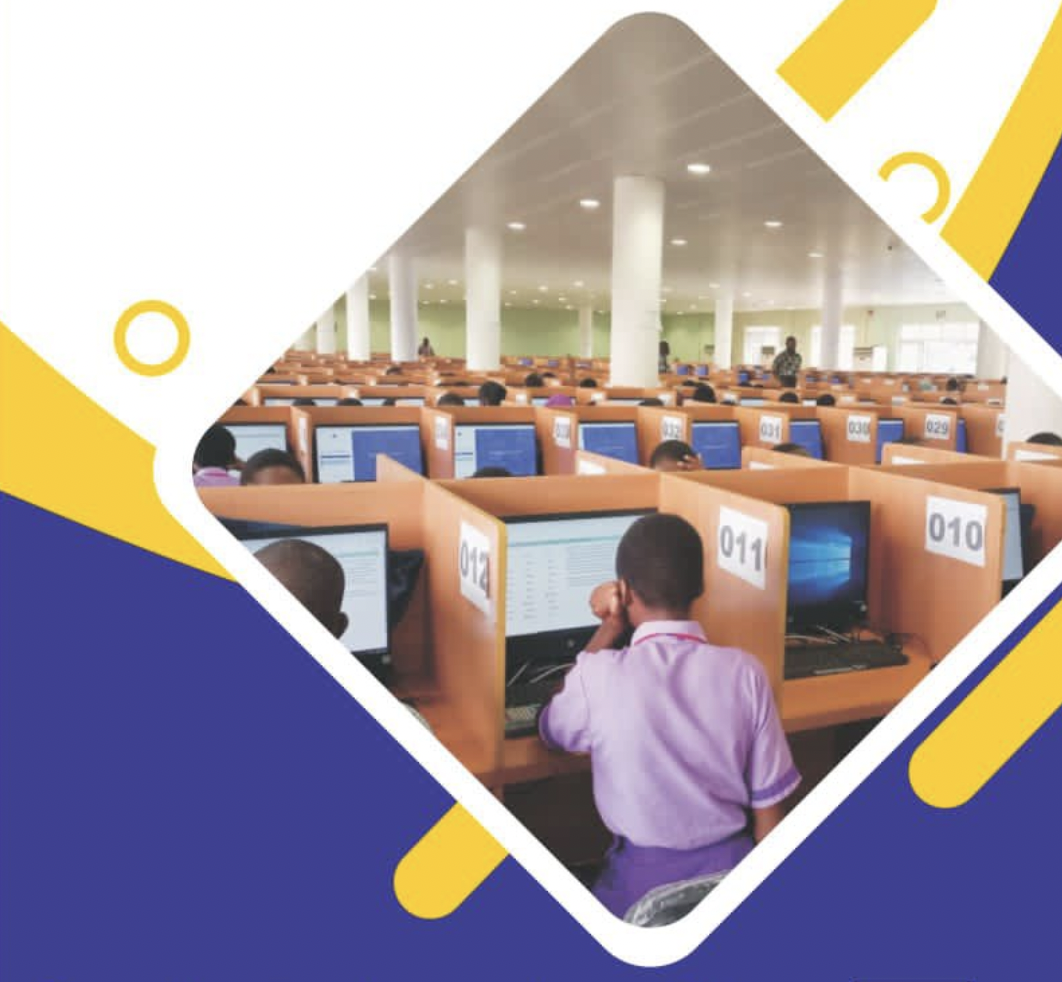
West African Examinations Council (WAEC) has released the results of the 2025 Second Series of the Computer-Based West African Senior School Certificate Examination (CB-WASSCE) for private candidates, with 42.17 per cent of candidates obtaining five credits, including English Language and Mathematics.
In a statement issued by the council’s National Office in Lagos, the Acting Head of Public Affairs, Moyosola Adesina, said candidates who sat for the examination can now check their results online through the WAEC result portal.
According to the council, candidates are to visit the result portal to confirm their performance before proceeding to the digital certificate platform to access their certificates. Those who require physical certificates have been advised to apply through the WAEC Certificate Request Portal, also known as e-Certman.
WAEC disclosed that 69,604 candidates registered for the 2025 Second Series examination. This figure shows a 1.8 per cent increase when compared with the 68,342 candidates who registered in 2024.
Out of the total number of registered candidates, 65,752 eventually sat for the examination at 370 centres across the country. This shows that a small number of registered candidates were absent during the exercise.
The gender breakdown released by WAEC showed that 32,005 candidates, representing 48.68 per cent, were male, while 33,747 candidates, representing 51.32 per cent, were female. This indicates that female candidates slightly outnumbered their male counterparts in this year’s Second Series.
The council also revealed that 235 candidates with special needs took part in the examination. These include visually impaired and hearing-impaired candidates. WAEC said it made arrangements to ensure that these candidates were able to sit for the examination under fair conditions.
Providing further details, WAEC stated that 61,943 candidates, representing 94.21 per cent of those who sat for the examination, have had their results fully processed and released.
However, 3,809 candidates, representing 5.79 per cent, still have some of their subjects being processed. WAEC explained that the delay was due to errors attributed to the affected candidates. The council assured that efforts are ongoing to resolve the issues and complete the processing as soon as possible.
The council did not give full details of the errors but noted that such issues may include registration problems or irregularities in submitted data.
More importantly, 27,727 candidates, representing 42.17 per cent of those who sat for the examination, secured five credits and above, including English Language and Mathematics. This requirement is important because it is the minimum academic qualification needed for admission into most universities, polytechnics and colleges of education in Nigeria.
Out of the 27,727 candidates who met this benchmark, 13,416, representing 48.39 per cent, were male, while 14,311, representing 51.61 per cent, were female. The data shows that female candidates performed slightly better than male candidates in meeting the key admission requirement.
Education stakeholders often pay close attention to the number of candidates who obtain five credits including English and Mathematics because it reflects the readiness of students for higher education and employment opportunities.
WAEC also announced that 1,899 candidates, representing 2.89 per cent of the total number of candidates who sat for the examination, had their results withheld due to alleged examination malpractice.
The council stated that investigations are ongoing and that affected candidates will be informed of the outcome once the process is concluded. WAEC has in recent years strengthened its monitoring systems, especially with the introduction of computer-based testing for private candidates, to reduce cases of malpractice.
Examination malpractice remains a major concern in Nigeria’s education sector. Over the years, WAEC and other examination bodies have introduced new measures, including tighter supervision, biometric verification, and digital monitoring systems, to improve the credibility of public examinations.
The West African Senior School Certificate Examination (WASSCE) is one of the most important examinations for secondary school students in Nigeria and other West African countries. It is conducted by WAEC, which was established in 1952 to coordinate examinations in English-speaking West African countries.
The examination is conducted in two major categories: one for school candidates and another for private candidates. The private candidates’ examination, often referred to as the “Second Series” when conducted later in the year, provides an opportunity for individuals who are no longer in secondary school to improve their grades or meet admission requirements.
In recent years, WAEC introduced the Computer-Based WASSCE (CB-WASSCE) for private candidates as part of efforts to modernise its examination process. The move is aimed at improving efficiency, reducing malpractice, and speeding up the release of results.
The 2025 Second Series continues this trend, with candidates sitting for the examination at designated computer-based centres across the country.
WAEC advised candidates to check their results through the official portal using their examination details. After confirming their results, candidates can proceed to access their digital certificates online.
The council explained that the digital certificate system was introduced to make it easier for candidates to obtain and share their certificates when needed. This is particularly useful for those applying for admission, employment, or other official purposes.
Candidates who prefer to obtain printed certificates have been directed to apply through the WAEC Certificate Request Portal, e-Certman.
With over 42 per cent of candidates achieving the required five credits including English and Mathematics, education observers say there is still room for improvement. However, the results also show steady participation and slight growth in registration numbers compared to the previous year.
As investigations into withheld results continue, many affected candidates are waiting for updates from the council.
For now, thousands of successful candidates across Nigeria are expected to begin the next stage of their academic or professional journey, using their newly released results as a stepping stone toward higher education and better opportunities.