
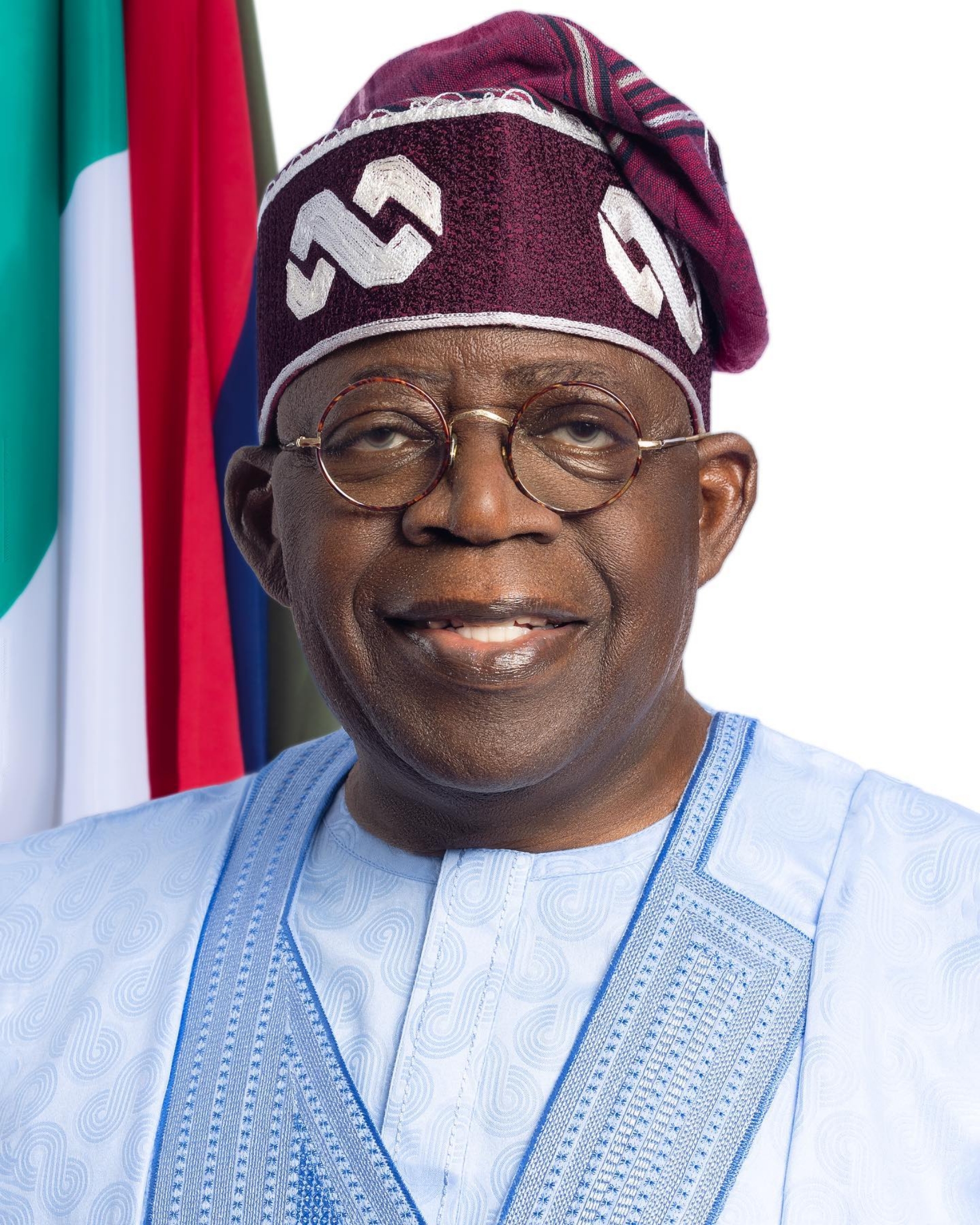
President Bola Tinubu on Sunday celebrated Nigerian women at home and abroad, describing them as key contributors to the country’s development and progress.
The President made the remarks in a message to commemorate International Women’s Day (IWD) 2026, which is observed worldwide every year on March 8.
In his message, Tinubu praised the strength, resilience, and determination of women across different sectors of Nigerian society.
According to him, women play vital roles in families, communities, businesses, and government institutions, helping to sustain and move the country forward.
“Today, on International Women’s Day, I celebrate the women of Nigeria, at home and abroad,” the President said.
“Across our homes, farms, markets, offices, and the halls of leadership, Nigerian women continue to demonstrate strength, courage, and determination that help hold our nation together.”
The President noted that women contribute significantly to nation-building in many ways.
He described Nigerian women as mothers who nurture families, entrepreneurs who build businesses, professionals who lead in different sectors, and citizens who shape the future of the country.
“They are mothers who nurture, entrepreneurs who build, professionals who lead, and citizens who continue to shape the destiny of our country with resilience and dignity,” Tinubu said.
Across Nigeria, women play major roles in agriculture, trade, education, health care, and public service.
In many communities, women are responsible for running small businesses, farming activities, and local markets that help sustain family incomes.
They are also increasingly taking up leadership positions in government agencies, private companies, and civil society organisations.
Tinubu also acknowledged the important role women have played throughout Nigeria’s history.
He noted that the country’s progress has always been influenced by women who refused to accept limitations placed on them.
“Nigeria’s progress has always carried the imprint of women who refused to accept limits placed before them,” the President said.
“From those who fought for our democracy to the millions who labour daily to support their families and communities, their contributions to nation-building are profound.”
During the struggle for independence and democratic rule, many women activists participated in protests, community mobilisation, and advocacy for social justice.
One well-known example is Funmilayo Ransome-Kuti, who led women’s movements in the 1940s and 1950s and fought against colonial policies that affected Nigerian women.
Over the years, women have also contributed to the country’s development through education, healthcare, and humanitarian work.
International Women’s Day is celebrated globally to recognise the achievements of women and highlight the need for gender equality.
The event has been observed for more than a century and is marked by governments, organisations, and communities in many countries.
Each year, the day provides an opportunity to reflect on progress made in advancing women’s rights while also drawing attention to challenges that women still face.
In Nigeria, the day is often marked by public discussions, policy announcements, conferences, and campaigns focused on issues such as women’s education, economic empowerment, and political participation.
Despite their contributions to society, many Nigerian women continue to face challenges in areas such as access to education, employment opportunities, and political representation.
In some communities, cultural traditions and economic conditions limit the opportunities available to girls and women.
Experts say that improving access to education, healthcare, and financial support for women is essential to national development.
Women’s participation in politics is also still relatively low compared to men.
Although women make up nearly half of Nigeria’s population, their representation in political offices remains limited.
Advocates for gender equality have repeatedly called for policies that would encourage more women to participate in governance and leadership.
In his message, Tinubu said the government remains committed to creating opportunities that will allow women and girls to reach their full potential.
“Our duty as a government and as a society is to continue creating the conditions where every Nigerian girl can learn, every woman can thrive economically, and every voice can contribute to our national development,” he said.
Over the years, the Federal Government has introduced programmes aimed at improving women’s participation in the economy.
These initiatives include support for women-owned businesses, training programmes, and efforts to improve girls’ access to education.
However, observers say more work is still needed to address structural challenges that affect women’s progress.
Women are a major part of Nigeria’s workforce, particularly in the informal sector.
Many women operate small businesses, run market stalls, engage in farming, or provide services within their communities.
In cities such as Lagos, Abuja, Kano, and Port Harcourt, women also work in sectors such as banking, technology, education, and healthcare.
Economists say empowering women economically can have a strong impact on national growth.
Studies have shown that when women have better access to education and economic opportunities, families and communities benefit as well.
Tinubu highlighted this connection in his message, stressing that the country’s success is closely linked to the progress of its women.
“When Nigerian women rise, Nigeria rises,” he said.
In recent years, Nigerian women have made progress in leadership roles across different sectors.
Some women now hold positions as ministers, business executives, judges, and leaders of major organisations.
These achievements reflect gradual changes in attitudes toward women’s leadership in Nigerian society.
However, gender equality advocates say that more effort is needed to ensure equal opportunities in both public and private institutions.
As Nigeria joined the rest of the world in marking International Women’s Day, the President concluded his message by paying tribute to the sacrifices and strength of Nigerian women.
“Today we honour their strength, their sacrifices, and their enduring role in the story of our country,” Tinubu said.
International Women’s Day continues to serve as a reminder of the important role women play in shaping societies.