
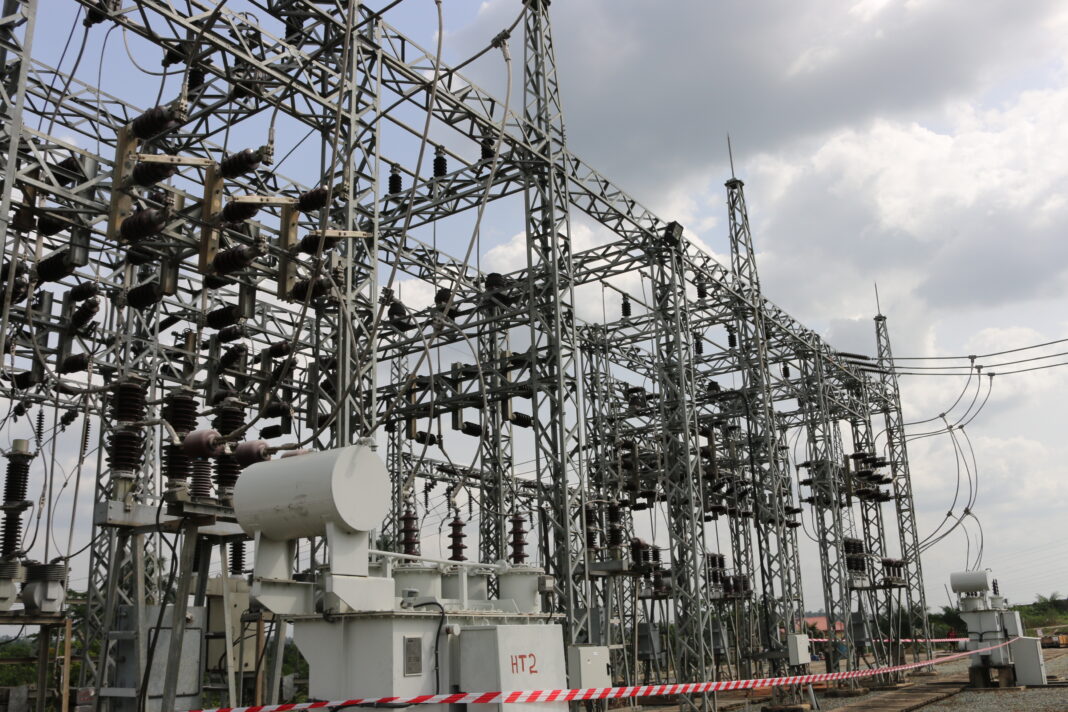
The management of Jos Electricity Distribution Company (JED) has announced a new plan designed to help electricity consumers repay their outstanding power bills in a more structured and transparent way.
The company made this known in a public notice issued on Sunday, saying the initiative is part of wider efforts to improve billing transparency, strengthen revenue collection and ensure stable electricity supply across the areas it serves.
According to the company, the new arrangement will allow customers with unpaid electricity bills to gradually settle their debts through monthly payments, instead of facing sudden disconnection or large one-time payments.
JED said the plan is also linked to the ongoing metering programs aimed at reducing estimated billing and improving accountability in electricity consumption.
In its statement, the electricity distribution company explained that customers who are being metered under national and company-led programmes will have their verified outstanding electricity debts transferred to their newly installed meters.
This means that once a customer receives a meter, any confirmed debt accumulated before the installation will appear on the meter account.
The company said the approach will give customers a clear view of their electricity charges and allow them to track both their current consumption and past debts.
“The framework is designed to ensure transparency in electricity billing and to provide customers with a clear opportunity to review and validate their outstanding balances based on available account records,” the company said.
According to JED, the measure mainly affects customers who previously received estimated bills, those who used faulty or outdated meters, and customers who were not metered at all.
Many of these customers accumulated electricity charges over time before receiving meters, leading to disputes about the accuracy of their bills.
The company believes that placing verified debts on the meters will make the repayment process clearer and reduce disagreements between customers and electricity providers.
To make repayment easier, the company has introduced a Debt Repayment Framework that allows customers to pay their outstanding balances in installments.
Under the arrangement, customers will repay their debts based on the total amount they owe and the category of electricity service they fall under.
Residential customers classified as Non–Maximum Demand (Non-MD) who owe between ₦0 and ₦1,000,000 will pay ₦2,000 every month toward their outstanding bills.
Commercial customers under the Maximum Demand (MD) category within the same debt range will pay ₦2,500 monthly.
For customers who owe between ₦1,000,001 and ₦2,000,000, the monthly repayment amount is fixed at ₦10,000.
Those with debts ranging between ₦2,000,001 and ₦5,000,000 will pay ₦20,000 each month.
For larger debts, the repayment conditions become stricter.
Customers whose electricity debts fall between ₦5,000,001 and ₦10,000,000 are required to pay 30 per cent of the total debt immediately. The remaining balance will then be spread across six months.
Similarly, customers who owe more than ₦10,000,000 must pay 30 per cent of their total debt upfront, while the remaining amount will be cleared within nine months.
The company said the payment plan was designed to be flexible enough to help customers gradually clear their debts without placing too much financial pressure on them at once.
JED has advised all customers with outstanding electricity bills to visit any of its offices to review and confirm their account records.
The company said customers can meet with designated Debt Recovery Officers or Customer Service Officers at any JED office across its service areas.
During the visit, customers will be able to check their electricity account history, confirm the total debt recorded in their name, and agree on a repayment schedule.
The company stressed that the verification process is important to ensure that all records are correct and that customers only pay for electricity they actually consumed.
JED also noted that resolving old account disputes will help both the company and customers move forward under the new system.
The Nigerian electricity sector has faced many challenges for decades, including poor power supply, aging infrastructure, low revenue collection, and disputes over billing.
One major complaint from consumers has been estimated billing, where customers without meters are charged based on estimated electricity usage rather than actual consumption.
Many households have argued that such estimates often result in high and unfair electricity bills.
To address this issue, the Federal Government and electricity distribution companies have launched several metering programmes aimed at increasing the number of customers with prepaid meters.
These initiatives are meant to improve transparency and reduce disagreements between electricity companies and consumers.
Despite these efforts, millions of electricity users across Nigeria are still not metered, which continues to create challenges in billing and payment collection.
Electricity distribution companies say unpaid bills also make it difficult for them to maintain infrastructure, buy power from generation companies, and improve electricity supply.
Electricity distribution companies, often known as DisCos, are responsible for delivering electricity to homes, businesses, and public institutions after power is generated and transmitted through the national grid.
The Jos Electricity Distribution Company is one of several distribution companies created after Nigeria’s power sector was partially privatized in 2013.
JED supplies electricity to customers in several states in the northern part of the country, including Plateau, Bauchi, Benue, and Gombe.
Like other distribution companies, it faces the challenge of balancing customer satisfaction with the need to recover operational costs and maintain power infrastructure.
While announcing the new repayment framework, the management of JED acknowledged that the process may cause some inconvenience to customers.
However, the company insisted that the new system will ultimately improve service delivery and strengthen the electricity network across its franchise areas.
“While we regret any inconvenience this process may cause, we assure all our customers of our unwavering commitment to improving electricity service delivery and enhancing customer experience,” the company said.
JED also expressed appreciation to customers for their continued cooperation and support.
The company added that strong collaboration between electricity providers and consumers is necessary to build a more stable and efficient power supply system.
For many households and businesses, the success of the new framework will depend on how transparent and fair the process is when debts are verified and transferred to meters.