
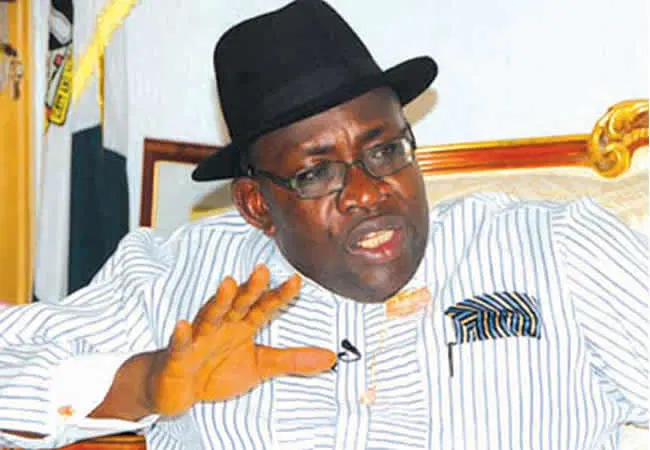
As Nigeria gradually moves toward the 2027 general elections, a former governor of Bayelsa State and senator representing Bayelsa West, Seriake Dickson, has said that many Nigerians are increasingly frustrated with the current situation in the country and are now looking for a new political direction.
Dickson made this known on Monday in Abuja during the unveiling of the digital membership registration portal of the Nigeria Democratic Congress, a newly formed political party.
The event brought together party leaders, stakeholders, and supporters, marking what the organisers described as a major step toward building a strong political structure ahead of future elections. Among those present were the National Chairman of the party, Cleopas Moses, and the National Secretary, Ikenna Enekweizu, along with other officials from across the country.
Speaking at the ceremony, Dickson said there is growing dissatisfaction among Nigerians over the current state of affairs. According to him, many citizens are not only unhappy but are also struggling with economic hardship, which is increasing the desire for change.
“Nigerians are angry with the status quo. Nigerians are not only angry, but they are also hungry, and they are hungry for change,” he said. He added that the Nigeria Democratic Congress is ready to provide an alternative platform for Nigerians who want a different political future.
Dickson described the NDC as a fresh political movement that is free from internal crisis and focused on ideas that promote national development. He said the party aims to move away from the kind of politics that has, in his view, slowed down progress in the country.
In a strong statement meant to attract attention, the former governor compared the emergence of the party to the biblical story of Noah’s Ark. He urged Nigerians who are seeking real change to join the party early, suggesting that it represents a new beginning in the country’s political space.
“The NDC in Nigeria today is like Noah’s family. Those who can see the signs should come on board early,” he said.
The unveiling of the digital membership registration portal was one of the key highlights of the event. Dickson explained that the platform would make it easier for Nigerians, including those living abroad, to join the party and take part in its activities.
He said the use of technology is important in modern politics, especially in reaching young people and Nigerians in the diaspora. According to him, the platform is designed to increase participation and make the party more open and accessible.
The National Chairman of the party, Cleopas Moses, also spoke at the event. He said the decision to introduce an online registration system was aimed at promoting transparency and accountability within the party.
He added that the digital system would help the party expand its presence at the grassroots level by allowing more Nigerians to join without stress. He noted that the party is committed to building a structure that reflects the diversity of the country.
Dickson also stressed that the NDC is not a regional party but a national movement. He said the party already has experienced political organisers working across states, local government areas, and wards.
“We are a national party. We are a pan-Nigerian democratic movement. We are not a regional movement,” he said.
The launch of the new platform comes at a time when Nigeria’s political environment is becoming more active ahead of the 2027 elections. Political parties are beginning to reposition themselves, while new movements are also emerging to challenge existing structures.
Nigeria operates a multi-party system, but over the years, two major parties have dominated the political scene. However, internal crises, leadership struggles, and public dissatisfaction have weakened confidence in some of these parties.
Dickson’s move is coming shortly after he resigned from the Peoples Democratic Party, one of the country’s main opposition parties. He announced his resignation about a week before the unveiling of the NDC platform.
At the time, he cited ongoing internal problems and what he described as poor leadership within the party. He expressed concern that the party, which once inspired hope among Nigerians, had lost its direction.
The former governor said he was deeply saddened by the decline of the party, noting that it had once been a strong force in Nigeria’s democracy. The PDP ruled Nigeria for 16 years from 1999 to 2015 before losing power, and it has since struggled with internal divisions.
At the same time, economic challenges continue to affect many Nigerians. Rising cost of living, unemployment, and inflation have increased pressure on households across the country. These issues are likely to play a major role in shaping voter decisions in the next general elections.
Dickson’s comments about hunger and frustration reflect the mood in many parts of the country. Citizens have continued to call for better governance, improved economic conditions, and more accountability from leaders.
The emergence of new political platforms like the NDC may provide more options for voters, but experts say such parties will need strong organisation, clear policies, and widespread support to compete effectively.
For now, the focus of the NDC appears to be on building its structure and attracting members. The digital registration portal is expected to play a key role in this effort by making it easier for people to join and participate.
The party also hopes to tap into the energy of young Nigerians, many of whom are active online and interested in political change. By using digital tools, the NDC aims to connect with this group and involve them in its activities.
As the countdown to 2027 continues, Nigeria’s political space is likely to witness more realignments, new alliances, and increased competition. The success of any new movement will depend on its ability to connect with the people and address the challenges they face.