
Tensions between the United States and Iran have escalated again after Iranian military authorities dismissed claims by former U.S. President Donald Trump that Washington is engaged in peace talks with Tehran.
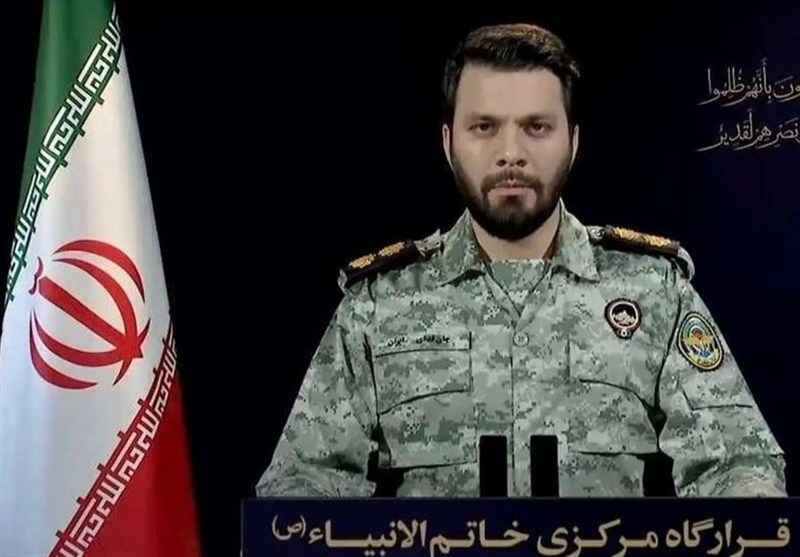
In a strongly worded statement released through Iranian media, officials from the Khatam al-Anbia Headquarters, the central command of Iran’s armed forces, said there are no negotiations taking place between both countries. Instead, they accused the United States of “negotiating with itself.”
The remarks were shared in a video published by Fars News Agency on Wednesday, where a military spokesperson criticised what he described as misleading claims from Washington.
Reacting to statements credited to Trump suggesting that a deal with Iran was close and that tensions were easing, the Iranian spokesperson rejected the claim outright.
“The situation has reached a point where the United States is negotiating with itself,” he said.
He further stated that the U.S. should not present its current position as a success or agreement.
“The strategic power you used to boast about has now turned into a strategic defeat. Do not label your defeat as an agreement,” the spokesperson added.
The comments reflect a hardening of Iran’s position, as officials in Tehran continue to push back against what they see as pressure from Washington and its allies.
The Iranian military also criticised what it described as internal divisions within the United States, suggesting that disagreements within the country were influencing its foreign policy decisions.
“No freedom-seeking truth-seeker will be deceived by your media. The level of your internal conflicts has reached the stage where you are negotiating with yourselves,” the spokesperson said.
He went further to warn that Iran would not soften its stance toward either the United States or Israel, insisting that any idea of an agreement between the parties is unrealistic.
“Our first and last word has always been the same: we will never come to agreement with someone like you. Not now, and not ever,” he said.
Relations between the United States and Iran have been tense for decades, marked by political disagreements, economic sanctions, and military concerns.
The conflict dates back to events such as the Iranian Revolution, which led to the breakdown of diplomatic relations between both countries. Since then, issues such as Iran’s nuclear programme, regional influence, and support for armed groups have remained major points of disagreement.
During Trump’s presidency, tensions increased significantly after the United States withdrew from the Iran nuclear deal, formally known as the Joint Comprehensive Plan of Action (JCPOA). The agreement had aimed to limit Iran’s nuclear activities in exchange for relief from economic sanctions.
Following the U.S. withdrawal, sanctions were reimposed, leading to economic pressure on Iran and a series of confrontations in the Middle East.
The latest exchange of words also reflects wider concerns about stability in the Middle East. Iran’s military spokesperson warned that peace in the region depends on what he described as the strength of Iran’s armed forces.
“There will be no talk of investments in the region or stable energy prices until it is understood that stability comes through our power,” he said.
This statement highlights the importance of oil and energy markets in the ongoing tensions. The Middle East remains a key supplier of global oil, and any conflict involving major countries in the region can affect prices and supply.
Despite occasional reports of back-channel contacts or possible negotiations, there is currently no clear evidence of formal talks between the United States and Iran
Iran’s latest statement suggests that its leadership is not willing to engage in discussions under current conditions, especially with the tone of relations still tense.
While the U.S. government has not officially responded to the latest statement, previous comments from American officials have indicated a willingness to engage in dialogue under certain conditions, particularly regarding Iran’s nuclear programme.
However, the strong rejection from Iran could make any future negotiations more difficult.
For countries like Nigeria, developments in global oil markets are particularly important, as changes in oil prices directly affect government revenue and economic planning.
The exchange of statements between Iran and the United States shows that relations remain fragile, with little sign of immediate improvement.
While diplomatic efforts have been made in the past to reduce tensions, the current situation suggests that both sides remain far apart on key issues.
For now, the possibility of a peace deal appears uncertain, as Iran continues to reject claims of negotiation and insists on maintaining its position.