
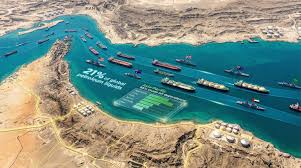
Tension has risen sharply in the Middle East after Iran reportedly closed the Strait of Hormuz following fresh Israeli airstrikes on Lebanon, a move that could affect global oil supply and deepen the ongoing conflict in the region.
According to Iranian state media, the decision to halt traffic through the strategic waterway came shortly after Israel launched a major wave of attacks on targets in Lebanon. The development has raised concerns among global leaders and energy markets, as the Strait of Hormuz is one of the most important routes for oil shipments in the world.
The report was carried by Fars News Agency, which is linked to Iran’s Islamic Revolutionary Guard Corps (IRGC). It said that although two oil tankers were allowed to pass earlier in the day with special permission, Iran has now stopped further movement through the strait.
The Strait of Hormuz is a narrow sea passage between Iran and Oman. It connects the Persian Gulf to the open ocean and is used to transport a large share of the world’s oil and gas.
Any disruption in this route often leads to a rise in global oil prices, as countries depend on it for energy supply. Analysts say Iran’s latest move could have serious economic effects if the situation continues.
The closure is also significant because it comes on the same day a two-week ceasefire between Iran and the United States took effect. The agreement was meant to reduce tensions after weeks of fighting and to allow the safe passage of oil shipments through the strait.
One of the key points of that ceasefire deal was Iran’s commitment to reopen the waterway and ease pressure on global energy markets. The latest action now puts that agreement at risk.
The ceasefire deal has already faced challenges, especially over whether it covers the conflict involving Lebanon.
U.S. President Donald Trump and Israeli Prime Minister Benjamin Netanyahu have both said that the agreement does not include Lebanon. However, Pakistan, which is acting as a mediator, has denied this claim, saying efforts are ongoing to reduce violence across the region.
The disagreement has created confusion and added to fears that the fragile peace could collapse.
U.S. Vice President JD Vance had earlier described the ceasefire as “fragile,” warning that any fresh violence could derail the agreement.
Iran has reacted strongly to Israel’s actions in Lebanon, warning of possible retaliation.
General Seyed Majid Mousavi, an aerospace commander in the Revolutionary Guard, said that any attack on Lebanon would be seen as an attack on Iran itself.
“Aggression towards Lebanon is aggression towards Iran,” he said in a post on social media.
He also warned that Iranian forces were preparing a “heavy response,” although he did not give details about what form that response might take.
This statement has further increased fears of a wider conflict that could involve more countries in the region.
Meanwhile, the situation in Lebanon has worsened following the latest Israeli airstrikes.
According to Lebanon’s health ministry, at least 112 people have been killed and 837 others injured in the attacks. The strikes reportedly targeted several areas, including the capital city, Beirut, as well as southern and eastern parts of the country.
Israel’s military described the operation as the largest coordinated strike in the current conflict. It said more than 100 targets linked to Hezbollah were hit within a short period of time.
The targets included missile launchers, command centres, and intelligence facilities. The Israeli military also accused Hezbollah of placing weapons in civilian areas and using residents as human shields.
“The State of Lebanon and its civilians must refuse Hezbollah’s entrenchment in civilian areas,” the military said in a statement.
The conflict between Israel and Hezbollah has been ongoing for months, with repeated clashes since early March. While Israel has regularly targeted southern Lebanon and areas believed to be Hezbollah strongholds, strikes on central Beirut have been less common until now.
The latest attacks mark a significant escalation and have raised fears of a broader war.
Before the strikes, a Hezbollah official had indicated that the group was open to a ceasefire if Israel also stopped its attacks. However, the official said Hezbollah had not committed to any agreement because Israel had not shown signs of stopping its operations.
This situation has left civilians in Lebanon facing increasing danger, with many forced to flee their homes due to the ongoing airstrikes.
The combination of rising violence in Lebanon and the closure of the Strait of Hormuz has drawn concern from the international community.
There are also fears that the crisis could spread beyond Lebanon and involve other countries in the Middle East, especially if Iran carries out its threatened response.
The coming days are expected to be critical as world leaders try to prevent further escalation.
Diplomatic efforts are likely to focus on restoring the ceasefire agreement and reopening the Strait of Hormuz to ensure the flow of oil. At the same time, there will be pressure on both Israel and Hezbollah to reduce hostilities and protect civilians.
However, with strong statements from all sides and ongoing military actions, the situation remains uncertain.
For now, the Middle East stands at a dangerous point, with the risk of a wider conflict growing. The actions taken in the next few days could determine whether tensions ease or move towards a larger crisis that could affect not just the region, but the entire world.