
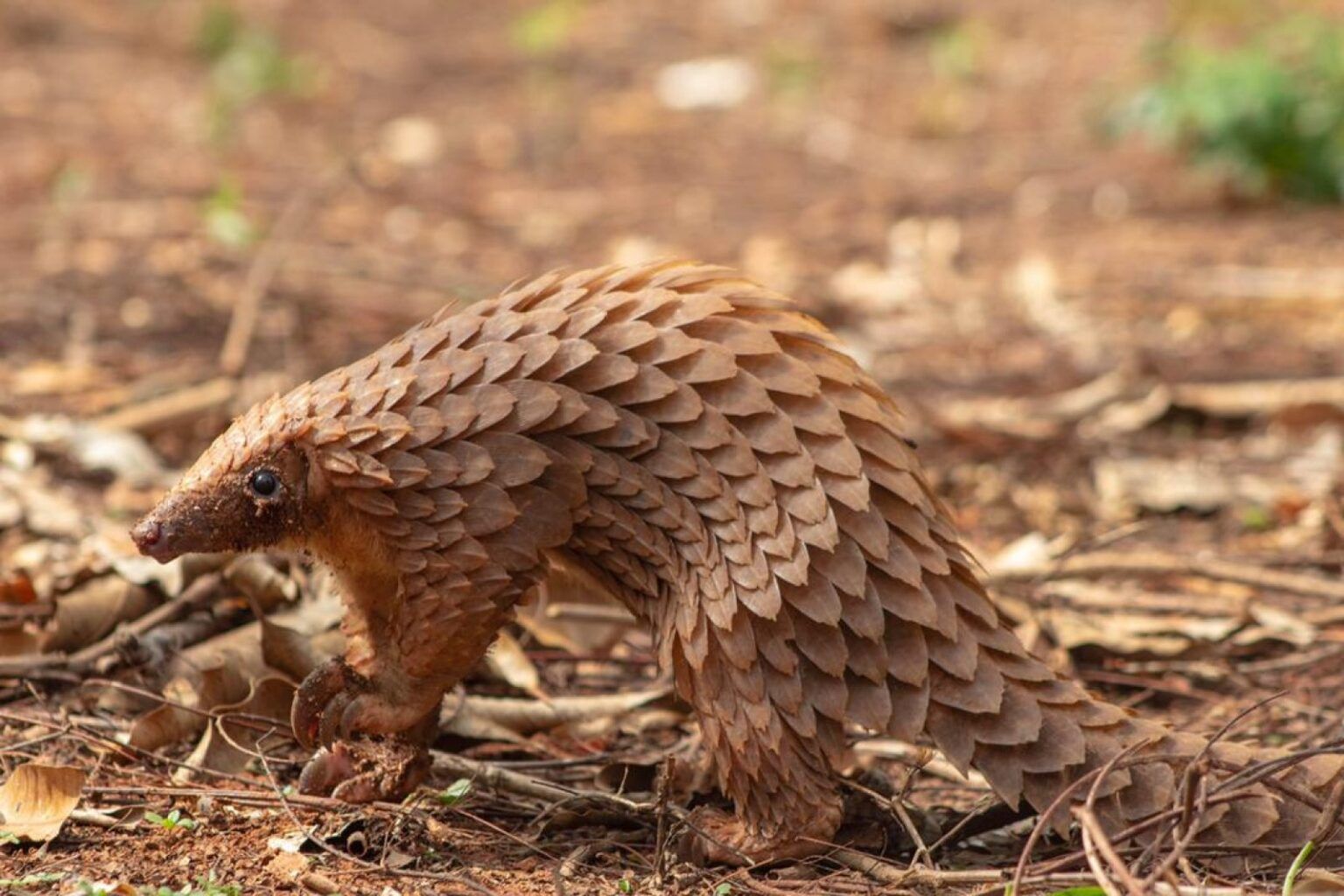
The Nigeria Customs Service has recorded another major success in its fight against wildlife smuggling, following the interception of live pangolins along the busy Kano–Takai–Jigawa road.
The operation was carried out by officers of the Federal Operations Unit (FOU), Zone ‘B’, as part of ongoing efforts to curb illegal trade in endangered species across northern Nigeria.
According to a statement released on Thursday by the unit’s Public Relations Officer, M.U. Balarabe, the seizure took place on March 26, 2026, at about 1 p.m., when operatives on routine patrol stopped a suspicious vehicle along the route.
A thorough search of the vehicle led to the discovery of the animals, which had been carefully hidden in an apparent attempt to evade detection.
“The endangered mammals were discovered concealed in the vehicle during inspection,” the statement said.
The latest interception comes less than two weeks after a similar operation carried out on March 12, indicating what officials describe as an intensified crackdown on wildlife trafficking in the region.
Authorities say the repeated seizures show that smugglers continue to use northern Nigeria as a transit corridor for illegal wildlife trade, even as security agencies step up surveillance and enforcement.
The pangolins recovered in the operation are among the most trafficked mammals in the world. They are highly sought after for their scales, which are used in traditional medicine in some parts of Asia, and for their meat, which is considered a delicacy in certain markets.
The Nigeria Customs Service said the interception was carried out in line with the Convention on International Trade in Endangered Species of Wild Fauna and Flora (CITES), a global agreement that regulates and, in some cases, prohibits trade in endangered plants and animals.
Under this convention, the trade of species like pangolins is strictly controlled to prevent their extinction.
Customs officials confirmed that all the animals recovered in both the March 12 and March 26 operations have been moved to the unit’s headquarters in Kaduna.
Arrangements are currently being made to hand them over to the appropriate wildlife authorities, who will ensure their proper care and rehabilitation.
The Comptroller of the unit, Aminu Sule, has ordered a full investigation into the incident to identify and arrest those behind the smuggling network.
He said the frequency of recent interceptions shows that smugglers are becoming more active, but also that security agencies are becoming more vigilant.
“The fact that we have made two interceptions within a short period demonstrates our heightened surveillance,” Sule said.
He warned that the agency would not allow the region to become a safe route for wildlife traffickers.
“This seizure sends a clear message that Zone ‘B’ will not be a transit point or a haven for wildlife traffickers,” he added.
Sule also reaffirmed the commitment of the Nigeria Customs Service to enforcing environmental laws and international agreements aimed at protecting biodiversity.
He urged those involved in the illegal trade to desist, warning that anyone caught would face the full weight of the law.
Wildlife trafficking is a growing global problem, driven by high demand for animal products such as ivory, skins and scales. In Nigeria, the issue has gained attention in recent years as the country is increasingly used as a transit point for illegal exports.
Northern Nigeria, with its extensive road networks connecting several states and neighbouring countries, has been identified as one of the key routes used by smugglers.
The Kano–Takai–Jigawa axis, where the latest seizure took place, is one of such corridors.
Environmental groups have repeatedly called on authorities to strengthen enforcement and increase public awareness about the dangers of wildlife trafficking.
They warn that the loss of species like pangolins can have serious consequences for ecosystems, as these animals play important roles in controlling insect populations and maintaining ecological balance.
The Nigeria Customs Service has said it will continue to work closely with other agencies and stakeholders to tackle the problem.
This includes collaboration with wildlife authorities, conservation organisations and international partners.
In recent years, the agency has made several high-profile seizures of illegal wildlife products, including pangolin scales and elephant ivory, both at airports and along land routes.
Officials say such operations are part of a broader strategy to disrupt trafficking networks and reduce the profitability of the illegal trade.
Despite these efforts, challenges remain. Traffickers often adapt quickly, using new methods and routes to avoid detection.
However, authorities believe that sustained enforcement, combined with stronger laws and public cooperation, can help reduce the scale of the problem.
For now, the successful interception of live pangolins in Kano is being seen as a positive step in the fight against wildlife crime.
It also highlights the importance of vigilance by security agencies and the need for continued support from the public.
As investigations continue, many Nigerians are hopeful that those behind the smuggling attempt will be brought to justice and that such illegal activities will be reduced.
The Nigeria Customs Service has assured that it will not relent in its efforts to protect the country’s natural resources and uphold international standards.
For the rescued pangolins, the focus now shifts to their recovery and eventual return to a safe environment, away from the dangers of illegal trade.