
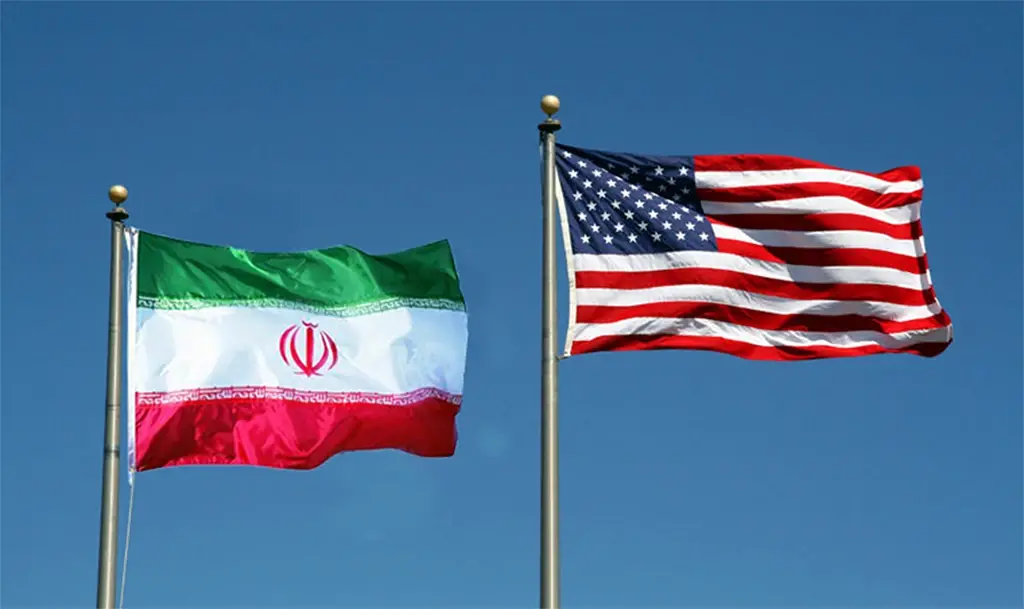
Fresh tension has emerged ahead of planned ceasefire talks between Iran and the United States, as both sides traded strong words and set tough conditions, raising doubts about the success of efforts to end the ongoing conflict in the Middle East.
Iran on Friday demanded key concessions before entering negotiations, while US Vice President JD Vance warned Tehran against trying to outmaneuver Washington at the talks.
The discussions, expected to take place in Islamabad, are aimed at turning a fragile ceasefire into a lasting peace agreement after weeks of violence that has shaken the region and affected global markets.
Speaking to reporters before departing from a US military base, Vance said the United States was open to dialogue but would not tolerate what he described as bad-faith tactics.
“If the Iranians are willing to negotiate in good faith, we are ready,” he said. “But if they try to play us, they will find that we are not going to accept that.”
His warning came shortly before Iran responded with its own demands. The Speaker of Iran’s Parliament, Mohammad Bagher Ghalibaf, said two key conditions must be met before negotiations can begin.
First, he called for a full ceasefire in Lebanon, where fighting between Israeli forces and Iran-backed groups has continued despite earlier agreements. Second, he demanded the release of Iranian financial assets that have been blocked abroad due to sanctions.
According to Ghalibaf, both issues had already been discussed and agreed in principle but had not been implemented.
“These measures must be fulfilled before negotiations begin,” he stated.
The disagreement highlights the deep mistrust between both sides, even as diplomatic efforts continue.
The planned talks are expected to focus on several sensitive issues, including Iran’s nuclear programme and the security of the Strait of Hormuz, one of the world’s most important shipping routes.
The Strait of Hormuz is a key passage for global energy supply, with about one-fifth of the world’s oil passing through it during normal times. However, since the latest ceasefire was announced, only a limited number of vessels have used the route, raising concerns about global energy prices.
US President Donald Trump has already expressed dissatisfaction with Iran’s handling of the waterway. He accused Tehran of using it as leverage in negotiations.
In a post on his social media platform, Trump said Iran had “no cards” to play except what he described as attempts to pressure the world through control of international waterways.
On the other hand, Iran has reacted strongly to ongoing Israeli military actions in Lebanon, insisting that such attacks violate the ceasefire agreement.
The conflict in Lebanon remains a major point of tension. Despite the ceasefire, violence has continued, with both sides accusing each other of violations.
On Friday, an Israeli strike on the southern Lebanese city of Nabatiyeh reportedly killed several security personnel. At the same time, the Iran-backed group Hezbollah said it launched missiles into Israel in response to what it called repeated attacks.
The Israeli military confirmed that multiple projectiles had been fired from Lebanon into its territory during the day.
Earlier in the week, Israel carried out one of its largest air campaigns in Lebanon since the conflict began, killing hundreds of people and causing widespread destruction.
Following the strikes, Trump said Israel had agreed to scale back its operations after discussions with Prime Minister Benjamin Netanyahu.
However, diplomatic sources say pressure is mounting from several countries, including European and Arab nations, to prevent further escalation.
A Western diplomat, who spoke anonymously, said there are ongoing efforts by different countries to stop renewed attacks, especially after the deadly escalation earlier in the week.
Meanwhile, humanitarian concerns are growing. The World Food Programme has warned that food insecurity is rising in Lebanon as the conflict disrupts supply chains and pushes up prices.
Many residents are already struggling to access basic goods, and aid agencies fear the situation could worsen if fighting continues.
On the ground, ordinary citizens in Iran are also expressing mixed feelings about the situation.
A resident of Tehran, who spoke anonymously, said he doubted that the talks would lead to any meaningful outcome.
“Most of what Trump says is just noise,” he said. “It feels like there is more politics than real intention to solve the problem.”
Another resident, identified only as Sheida, said she was worried about both the possibility of renewed war and the current political situation in her country.
“I am scared of the war starting again, and at the same time I am scared of things staying the same,” she said.
The ceasefire currently in place is expected to last for two weeks, giving both sides time to negotiate a longer-term agreement. However, the continued exchange of threats and conditions has raised doubts about whether a lasting deal can be reached.
The United States has indicated that the situation in Lebanon may be handled through separate negotiations in the coming days, although details remain unclear.
So far, neither Israel nor the Lebanese government has officially confirmed participation in those talks.
The current crisis is part of a broader pattern of tension in the Middle East, where conflicts often involve multiple countries and armed groups, making resolution difficult.
For countries like Nigeria, developments in the region are closely watched because of their impact on global oil prices and the wider economy. Any disruption in the Strait of Hormuz can lead to higher fuel costs and economic pressure worldwide.
As preparations continue for the Islamabad talks, security has been tightened in the city, with major roads blocked and heavy presence of security personnel around the expected venue.
Large banners announcing the talks have been placed across the city, reflecting the importance of the meeting on the global stage.
However, with both sides holding firm to their positions, the success of the negotiations remains uncertain.
For now, the world is watching closely as Iran and the United States prepare to sit at the same table, even as tensions remain high and the path to peace appears far from clear.