
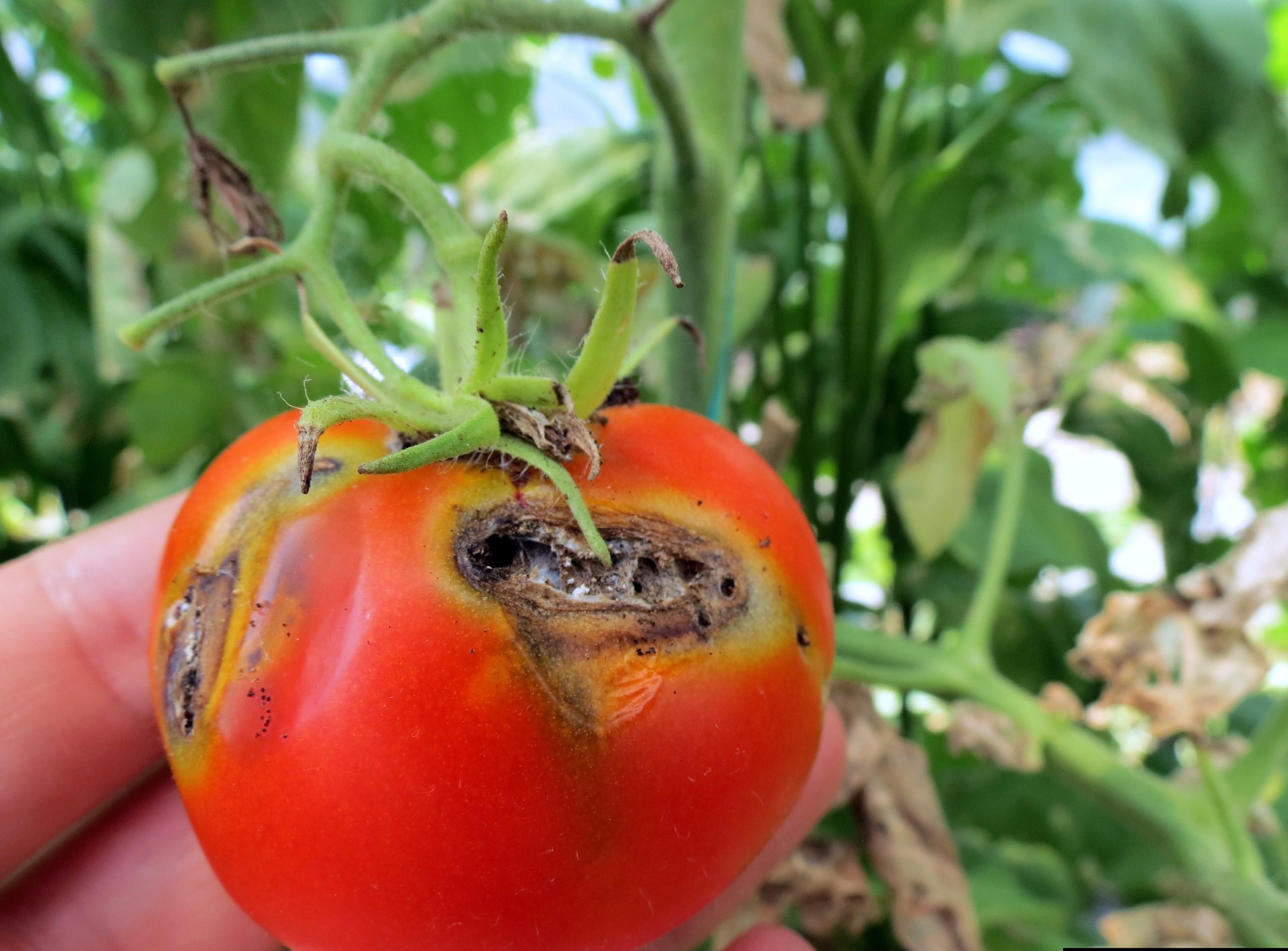
The Kano State House of Assembly has called for urgent government intervention following the spread of Tuta absoluta, a destructive tomato pest that has affected farms across several local government areas of the state.
Lawmakers warned that the outbreak poses a serious threat to food production, farmers’ livelihoods and tomato supply in Kano and other parts of the country.
The call was made on Wednesday during plenary when the Chairman of the House Standing Committee on Agriculture and Natural Resources, Ahmed Ibrahim, presented the findings of the committee’s investigation into the outbreak.
Ibrahim, who represents Karaye Constituency under the All Progressives Congress (APC), said the committee carried out an assessment after a motion of urgent public importance was raised by Ali Lawan Kiyawa, representing Bagwai/Shanono Constituency.
According to him, the pest infestation was first reported in parts of Kiyawa’s constituency before spreading to other major tomato-producing areas in the state.
He listed the affected local government areas to include Bagwai, Shanono, Rogo, Tofa, Bunkure, Kura, Garun Malam, Rano, Kibiya, as well as parts of Tudun Wada and Dawakin Kudu.
“The situation is serious and has wide implications. It is not only affecting farmers but also contributing to low tomato supply and rising prices across the country,” Ibrahim said.
Tuta absoluta, commonly known as the tomato leaf miner, is a highly destructive insect that attacks tomato plants at different stages of growth.
Agricultural experts say the pest damages leaves, stems, flowers and fruits, reducing both the quality and quantity of harvest.
The insect is known for spreading rapidly and can destroy entire tomato farms within a short period if not properly controlled.
Nigeria has experienced outbreaks of the pest in the past, especially in northern states where tomato farming is a major source of income for many rural families.
Kano State is one of the leading producers of tomatoes in Nigeria and supplies large quantities of the crop to markets across the country.
Tomatoes are an important part of daily meals in many Nigerian homes and are widely used for soups, stew and other food preparations.
Any major disruption in tomato production often affects food prices nationwide.
In recent weeks, many Nigerians have complained about the rising cost of tomatoes in markets, with traders blaming low supply and losses from pest attacks.
Farmers in some affected communities said they had suffered heavy losses due to the infestation.
Some of them explained that the pest spreads quickly from one farm to another, making it difficult to control without proper chemicals and technical support.
Agricultural stakeholders have also expressed concern that continued infestation could discourage many farmers from investing in tomato production during the farming season.
While presenting the committee’s report, Ibrahim said urgent action was necessary to prevent further destruction of farms and protect food security in the state.
The committee recommended that the Kano State Government immediately provide pesticides, spraying machines, protective equipment and other farming inputs to affected communities through the Kano State Agricultural and Rural Development Authority.
Lawmakers also called for the deployment of agricultural extension workers to farming communities to educate farmers on effective pest management and prevention methods.
Extension workers are government-trained agricultural officers who help farmers with modern farming techniques, disease control and proper use of agricultural chemicals.
The committee further stressed the need for stronger monitoring and regulation of agrochemical products to ensure that farmers use safe and effective pesticides.
According to lawmakers, the spread of fake or substandard farm chemicals in the market has made pest control more difficult for many farmers.
The Assembly warned that failure to respond quickly could worsen food shortages and increase hardship for both farmers and consumers.
Agriculture remains one of the major sectors supporting Nigeria’s economy, especially in northern states where large numbers of people depend on farming for survival.
Tomato farming in Kano and neighbouring states contributes significantly to food supply, employment and economic activities in local markets.
However, the sector continues to face challenges such as pest attacks, poor storage facilities, climate change, insecurity and rising farming costs.
Over the years, experts have repeatedly called for stronger government support for farmers through access to improved seedlings, irrigation systems, fertilisers and modern pest control methods.
Some agricultural analysts believe that better investment in research and extension services could help reduce losses caused by pests like Tuta absoluta.
The outbreak has also renewed discussions about the need for Nigeria to improve food preservation and processing systems.
Large quantities of tomatoes produced in northern Nigeria are often lost after harvest due to poor transportation, lack of storage facilities and limited processing factories.
Stakeholders say improving food processing and storage infrastructure would reduce waste and help stabilise prices during periods of low production.
In recent years, both federal and state governments have introduced programs aimed at boosting local food production and reducing dependence on imported food products.
However, many farmers still complain about inadequate support, limited access to loans and the rising cost of farming materials.
Residents in Kano and other parts of the country have already started feeling the impact of the current tomato shortage in local markets.
Some traders say the price of a basket of tomatoes has increased sharply compared to previous months due to reduced harvest from affected farms.
Consumers have also expressed concern over rising food prices, especially at a time many families are already struggling with economic hardship and inflation.
The Kano State House of Assembly said immediate intervention would help reduce losses and restore confidence among farmers affected by the outbreak.
Lawmakers insisted that protecting tomato production was important not only for Kano State but also for national food security.
As farmers continue to battle the infestation, many are hoping for quick government action to prevent further destruction and support affected communities before the situation worsens.