
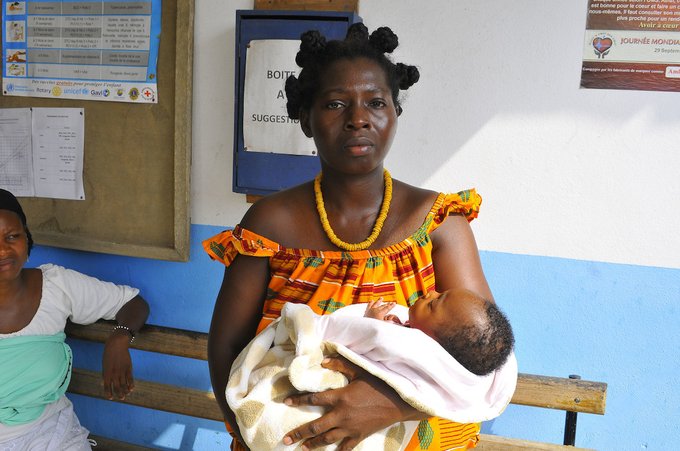
The National Population Commission (NPC) has launched a nationwide survey aimed at addressing Nigeria’s alarming rates of under-five and maternal mortality.
The 2024 Verbal and Social Autopsy (VASA) Survey, which began on November 4 and will run until December 15, is being conducted across all 36 states of the federation and the Federal Capital Territory (FCT). The survey is a crucial step in gathering data that could lead to more effective health interventions to reduce preventable deaths.
Speaking at a press briefing in Abuja, Hon. Nasir Isa Kwarra, the chairman of the NPC, highlighted the survey’s importance. “This survey provides vital data for policymakers to design effective health interventions to curb these preventable deaths,” Kwarra said.
The VASA survey targets 4,879 cases, including 2,537 deaths among children under five. Of the under-five mortality cases, 31% involve neonates, while 69% are older children.
The study involves 26 teams of interviewers, supervisors, and quality managers, who are conducting both qualitative and quantitative assessments. The teams are gathering data through household interviews, group discussions, and in-depth community assessments, focusing on patterns of care-seeking, social factors, and the types of interventions that were provided.
The 2024 VASA Survey is the third edition of this critical study, following previous editions in 2014 and 2019. It builds on the data from the 2023-2024 Nigeria Demographic Health Survey (NDHS) and is expected to provide important national and zonal-level insights into the causes of maternal and child mortality.
“The findings from this survey will be essential in shaping national health policies and contribute significantly to reducing maternal and child mortality in Nigeria,” Kwarra added.
The NPC is collaborating with several key partners on this initiative, including the Federal Ministry of Health, USAID, ICF, the National Bureau of Statistics (NBS), and the Ministry of Women Affairs. These organizations are working together to ensure the success of the survey, which is seen as a major step towards tackling Nigeria’s public health challenges.
Hon. Kwarra also stressed the importance of community support for the survey. “The success of the VASA survey relies on the cooperation of all Nigerians. This data is not just for planning but a step toward sustainable development and saving lives,” he said.
As part of efforts to ensure the survey’s success, Kwarra called on traditional rulers, religious leaders, community members, and security agencies to support the exercise. Their involvement, he noted, would be crucial in gathering accurate data and ensuring that the survey reached the right communities.
Nigeria’s under-five mortality rate stands at 110 deaths per 1,000 live births, according to the NDHS. This statistic highlights the country’s ongoing struggle with high child mortality rates, which the VASA survey aims to address. By uncovering the root causes of maternal and child deaths, the survey hopes to drive actionable solutions that can significantly improve health outcomes.
In particular, the survey is looking to identify the causes of deaths among children under five and women of reproductive age, including factors such as inadequate healthcare access, malnutrition, and socio-cultural barriers to seeking medical care. The survey’s findings are expected to help policymakers develop targeted health interventions and prioritize resources where they are most needed.
Kwarra also highlighted the vital role the media will play in the survey’s success. “The media is our critical partner in ensuring citizens understand and participate fully in this important exercise,” he said. “Through media engagement, we hope to reach every Nigerian and encourage participation in the survey.”
The VASA survey is seen as a crucial part of Nigeria’s efforts to meet its health goals and improve the quality of life for mothers and children across the country. By identifying key issues contributing to high maternal and child mortality rates, the data gathered from this survey could be instrumental in shaping policies that save lives.
The results of the 2024 survey are expected to influence key health policies and provide a roadmap for future interventions aimed at reducing maternal and child mortality.