
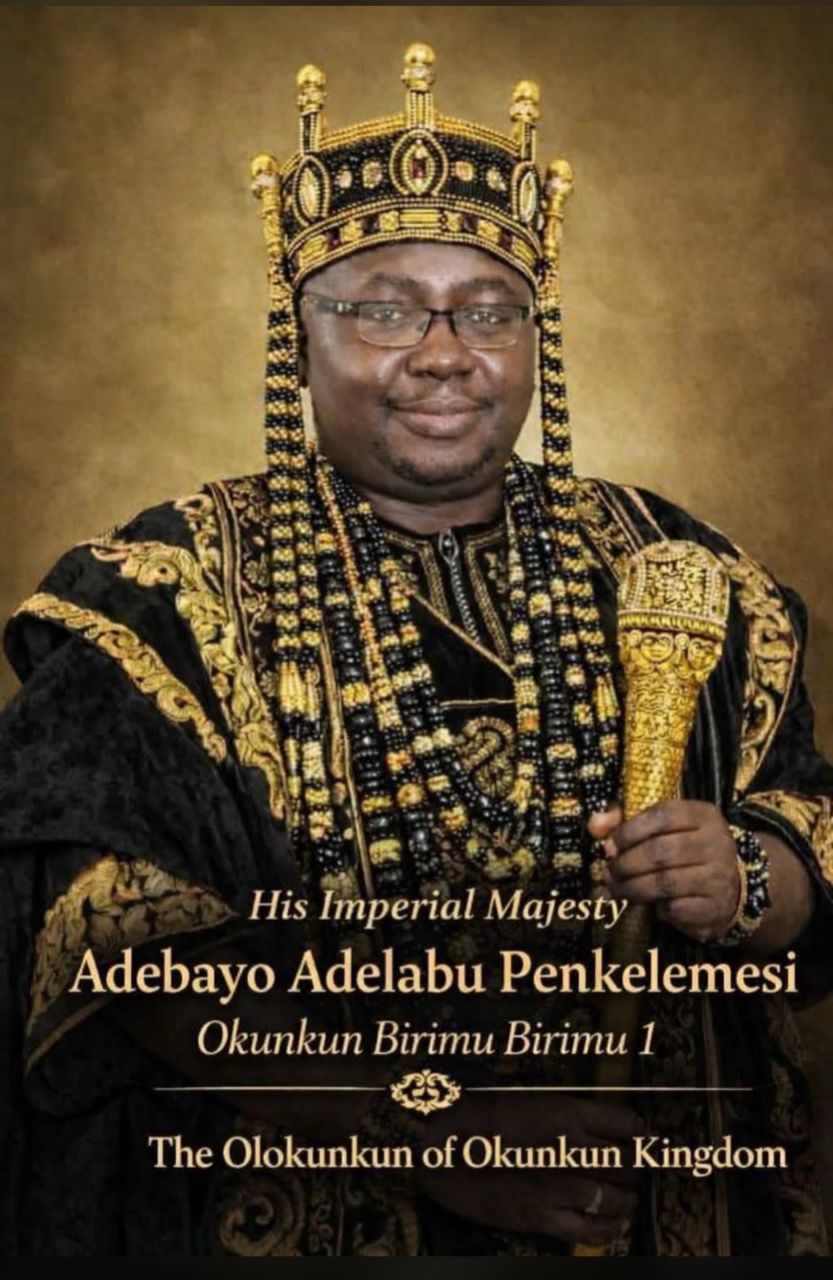
Nigeria’s Minister of Power, Adebayo Adelabu, has come under heavy criticism on social media, with many Nigerians mocking him over the country’s persistent electricity challenges.
The criticism became widely visible after discussions on the popular online forum Nairaland, where users reacted angrily to ongoing power outages and slow progress in the electricity sector. Some commenters even gave the minister sarcastic “traditional titles,” describing him as a “Minister of Darkness” and blaming him for what they described as worsening electricity supply across the country.
The reactions reflect growing frustration among citizens who have endured years of unstable electricity supply despite repeated government promises to improve the sector.
Social media backlash
The criticism gained momentum as users on social media platforms such as X (formerly Twitter) and online forums shared sarcastic comments and memes directed at the minister.
Many commenters said the frequent power cuts have made daily life difficult for households and businesses. Some users argued that the government’s explanations about the problems in the power sector no longer satisfy citizens who continue to experience blackouts.
On one online forum thread, a user wrote that Nigerians can no longer cope with what they described as “darkness,” while others questioned the effectiveness of the current leadership in the power sector.
Another user said the situation has become so bad that Nigerians now rely heavily on generators, adding that the government must show stronger commitment to fixing the sector.
While such comments reflect public frustration, analysts note that social media discussions often exaggerate issues and should not always be taken as a complete measure of public opinion.
Long-standing electricity challenges
Nigeria’s electricity sector has struggled with major problems for decades, including weak infrastructure, insufficient generation capacity, and limited investment.
The national grid has experienced repeated collapses over the years, leading to nationwide power outages that sometimes last several hours or even days.
According to officials, some parts of the country’s electricity infrastructure are more than 50 years old, making them vulnerable to failure and costly to maintain.
Energy experts say the sector’s challenges extend beyond generation to transmission and distribution. Even when electricity is produced, the system often lacks the capacity to transmit it efficiently to homes and businesses.
These issues have forced many Nigerians to depend on alternative power sources such as petrol or diesel generators, increasing the cost of living and doing business.
Government promises of improvement
Despite the criticism, the Federal Government has repeatedly promised that reforms in the power sector will eventually lead to stable electricity supply.
Earlier this year, Minister Adelabu assured Nigerians that the government is working to deliver more reliable electricity in the near future.
He said efforts are being made to strengthen the national grid and improve distribution networks so that homes and industries can enjoy more stable power supply.
The government has also continued work on the Presidential Power Initiative, widely known as the Siemens project, which aims to upgrade Nigeria’s electricity infrastructure.
Officials say the project will gradually increase the country’s power generation capacity and reduce grid failures once the different phases are completed.
Policy changes in the power sector
The government has also introduced several policy initiatives to address the problems in the sector.
One of the key developments is the Electricity Act of 2023, which allows state governments and private investors to play a bigger role in generating and distributing electricity.
Supporters of the law say decentralising electricity production could encourage investment and reduce pressure on the national grid.
However, critics argue that meaningful improvements will require stronger regulation, transparency, and sustained investment.
Economic impact of power shortages
Unreliable electricity supply continues to affect Nigeria’s economy in several ways.
Small businesses such as barbershops, restaurants, and small factories often spend large amounts of money on fuel to run generators. This increases operating costs and reduces profits.
Manufacturers also face challenges because unstable electricity can disrupt production and damage equipment.
Economists say stable power supply is essential for industrial growth and job creation. Countries with reliable electricity systems usually attract more investment because businesses can operate more efficiently.
Public frustration growing
For many Nigerians, the repeated promises of improvement have not translated into visible change.
Some residents say electricity supply in their communities remains unpredictable, forcing them to rely on alternative power sources.
The social media criticism directed at the minister therefore reflects broader dissatisfaction with the state of the power sector.
Observers say such public reactions are likely to continue unless citizens begin to see clear improvements in electricity supply.
Looking ahead
Experts believe that solving Nigeria’s electricity problems will require long-term planning and cooperation between federal and state governments, private investors, and regulatory agencies.
They also stress the importance of maintaining existing infrastructure while building new capacity.
For now, the debate surrounding the power minister highlights a deeper issue: Nigerians are eager to see real progress in a sector that affects nearly every aspect of daily life.
Until the country achieves stable electricity supply, public criticism of government officials responsible for the sector is likely to remain strong.