
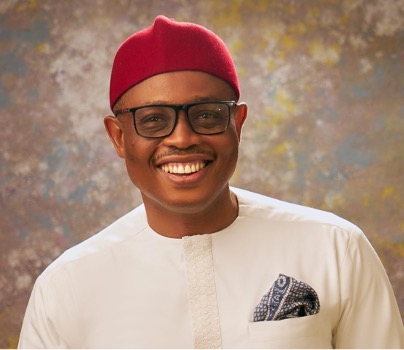
A shocking revelation by the President of the Nigerian Bar Association (NBA), Chief Afam Osigwe, has once again exposed the dire state of the country’s criminal justice system. Osigwe disclosed that over 65 per cent of inmates in Nigerian correctional facilities are awaiting trial, trapped in a cycle of legal delays and systemic inefficiencies.
The NBA president made these remarks during the association’s National Executive Council (NEC) meeting in Akure on Thursday, where he described the situation as “intolerable” and a grave violation of human rights.
Legal Limbo: A Crisis of Justice
Inmates awaiting trial make up the majority of Nigeria’s prison population, yet many have neither been convicted nor formally charged. Osigwe highlighted the consequences of this legal bottleneck, stating that some detainees spend more time behind bars than they would have if they had been convicted of the alleged crime.
“We worry about those who are simply remanded in prison facilities without having their cases tried, or whose trials take an unbearable length of time due to unnecessary delays,” Osigwe lamented.
According to him, the prolonged incarceration of these detainees exposes them to dangerous prison conditions, including life-threatening diseases, psychological distress, and in some cases, untimely deaths.
“These individuals are sometimes serving more time in prison than they would if convicted, or even dying in detention. This is a failure of justice,” he emphasized.
A Collapsing System: The Root of the Problem
Nigeria’s correctional facilities are notorious for their overcrowding and poor living conditions. The United Nations Office on Drugs and Crime (UNODC) has repeatedly flagged the country’s prison system as one of the most congested in the world. Many of these facilities operate far beyond their intended capacities, with limited access to proper medical care, food, and basic sanitation.
The major cause of this crisis, legal experts argue, is the sluggish pace of the Nigerian judiciary. Cases often drag on for years due to bureaucratic inefficiencies, lack of judicial personnel, and the failure of prosecutors to file formal charges within reasonable timeframes.
Osigwe pointed out that many detainees are victims of a broken system that keeps them in indefinite custody without trial. He called on Chief Judges across the states to take immediate action to prevent further injustice.
NBA’s Call to Action
To address the crisis, the NBA has directed its Human Rights Committee to collaborate with state Chief Judges to visit correctional facilities, review cases of detainees, and facilitate their release where necessary.
“We want to ensure that those who have no business being in prison are set free,” Osigwe stated.
He also advocated for a new policy requiring magistrates who issue remand orders to set a mandatory return date for case reviews. This, he argued, would ensure that cases do not stagnate indefinitely.
“If the prosecution or Ministry of Justice fails to file a charge within the set timeframe, the court should order the immediate release of the defendant. People should not be held indefinitely in pre-trial detention,” Osigwe declared.
Beyond prisons, the NBA president stressed the need for courts to extend their oversight to detention facilities operated by the police, the Department of State Services (DSS), the Nigerian Army, and the National Drug Law Enforcement Agency (NDLEA).
“The courts must enforce the provisions of the Police Act and the Administration of Criminal Justice Act by visiting detention centers and ensuring that people are either granted bail, formally charged, or released completely,” he said.
A System in Dire Need of Reform
Over the years, Nigeria’s criminal justice system has been widely criticized for its inefficiency and inability to guarantee swift trials. Several human rights groups, including Amnesty International, have condemned the government’s failure to reform the judicial process and prevent the arbitrary detention of thousands of citizens.
According to a 2023 report by the National Human Rights Commission (NHRC), some detainees in Nigerian prisons have been awaiting trial for up to a decade, with little to no legal representation. Many of them are petty offenders, unable to afford legal services or meet bail conditions.
In response to the growing outcry, legal experts have proposed several solutions, including the recruitment of more judges, improved case management systems, and a stronger commitment to alternative dispute resolution methods.
Human rights lawyer and former chairman of the NBA Lagos branch, Monday Ubani, previously called for the decongestion of prisons by releasing non-violent offenders and encouraging community service as an alternative to imprisonment.
“We need a complete overhaul of our judicial system. The slow pace of trials, corruption in the legal sector, and poor funding of the judiciary are all contributing to this crisis. It is time for urgent action,” Ubani warned in a previous interview.