
The Federal Government of Nigeria, under the leadership of President Bola Tinubu, has approved a major project to introduce electric vehicle (EV) transportation in the North-East region. The initiative aims to provide modern, eco-friendly transport options and reduce carbon emissions in the area.
The Federal Executive Council (FEC) recently approved contracts worth nearly $100 million (N151.9 billion) for the supply of electric vehicles and the installation of charging infrastructure. The North-East Development Commission (NEDC) is responsible for funding the project as part of its long-term strategy to promote energy efficiency and modern transportation.
Contracts and Key Players
According to a statement from Presidential spokesperson Bayo Onanuga on Sunday, the government has awarded multiple contracts to different companies for the supply of electric buses, tricycles, and charging stations.
Bluecrest Integrated Concept Limited has secured a N2.9 billion contract to supply ten 17-seater electric buses within six months. Additionally, Messrs Mutual Commitment Company Limited will provide 4,000 e-tricycles at a cost of N49.6 billion, with a delivery timeline of nine months.
Another 3,000 e-tricycles will be supplied by Shanghai Integrated Infrastructure Development at a contract sum of N37.2 billion, while Sinoma Investment International Limited will also deliver 3,000 units. Each tricycle is designed to carry nine passengers and a driver.
In addition, Messrs HNCEGC has been awarded a contract worth N16.3 billion to supply 100 BYD Dolphin EVs, 100 BYD Qin Plus EVs, and 37 BYD Yuan Plus EVs. These vehicles are expected to play a crucial role in the transportation network of the North-East region.
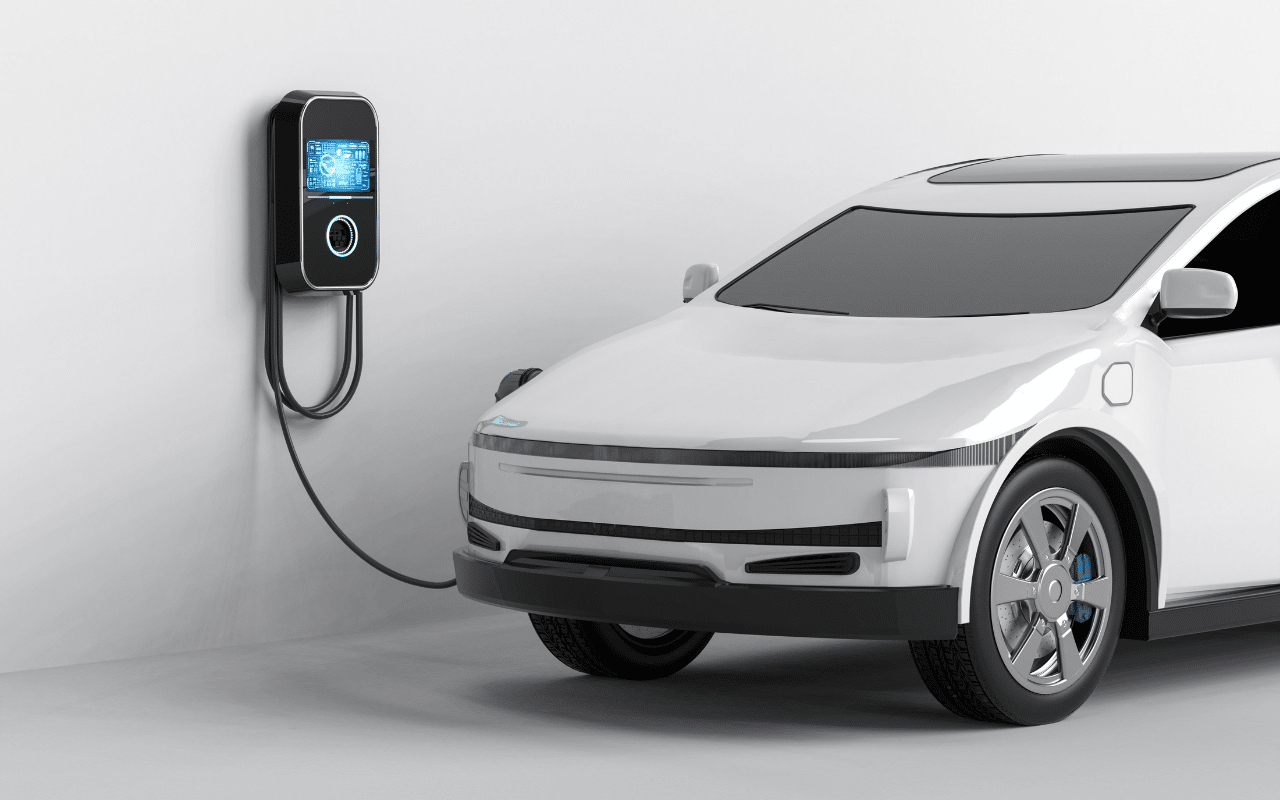
To ensure the success of the electric vehicle project, Messrs KB Laman Motors Nigeria Limited will be responsible for setting up charging stations across the region. The company has been awarded a contract worth N8.4 billion for this purpose.
Background and Government Plans
The decision to introduce electric vehicles in the North-East aligns with the government’s broader policy to modernize Nigeria’s transportation sector. President Tinubu had approved the procurement of the e-vehicles in October last year and personally inspected sample models of the vehicles, chargers, and batteries.
This initiative is expected to improve public transport in the region, create employment opportunities, and reduce dependence on fossil fuels. Experts believe the project could serve as a model for other parts of Nigeria looking to embrace green energy solutions.
Environmental and Economic Benefits
Nigeria, like many countries, is dealing with environmental challenges caused by carbon emissions from petrol and diesel vehicles. The introduction of electric transportation is seen as a step towards addressing air pollution and reducing the country’s carbon footprint.
Apart from environmental benefits, the government hopes that the project will stimulate economic growth by providing job opportunities for drivers, mechanics, and technicians who will work on maintaining the electric vehicles and charging stations.
Industry experts also believe that, if successfully implemented, the project could encourage further investment in Nigeria’s green energy sector, positioning the country as a leader in sustainable transportation in West Africa.
Challenges and Implementation Concerns
While the project has been widely praised, some concerns have been raised about the practical challenges involved in deploying electric vehicles in the North-East. One of the major issues is the availability of stable electricity to power the charging stations. The region has faced power supply challenges, and there are questions about whether the infrastructure can support the demand for charging electric vehicles.
Additionally, some transport operators have expressed concerns about the affordability and maintenance of electric vehicles. While the initiative is government-funded, questions remain about the long-term sustainability of the project and whether there will be enough technical expertise to maintain the EVs.
Despite these concerns, officials remain optimistic that the introduction of electric transportation in the North-East will bring long-term benefits to the region and the country as a whole. The project is expected to roll out in phases, with the first batch of electric vehicles set to be delivered within the next six months.