
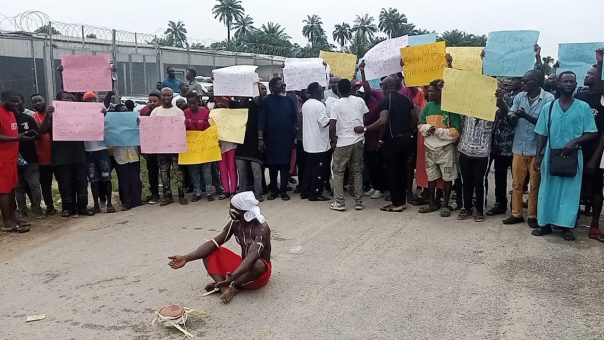
On Wednesday, April 9, 2025, a group of Itsekiri natives in Delta State shut down a major oil production facility in the Ogidigben area of Warri, marking a significant escalation in protests over a recent electoral boundary issue. The oil facility, which has a production capacity of 28,000 barrels per day, was previously operated by Shell Petroleum Development Company (SPDC) before being acquired by Renaissance Africa Energy Holdings.
The protesters, a mix of women, youths, and men, gathered in large numbers to block operations at the facility. Their grievances stem from the recent recommendation by the Independent National Electoral Commission (INEC) regarding the delineation of the Warri Federal Constituency, a move they believe unfairly affects the Itsekiri people.
The protest, which has drawn considerable attention, is part of a broader reaction to the proposed changes to the electoral boundaries in Warri Federal Constituency. The Itsekiri natives argue that the changes, which are based on a recent Supreme Court ruling, could diminish their political representation and marginalize their community in the upcoming elections. The protesters have vowed that if their demands are not met, they will extend their protests to other vital national assets and facilities in Itsekiri land.
The situation in Warri has become increasingly tense as a result of the electoral boundary issue, with residents expressing concerns over their future political influence and access to resources. The oil facility shutdown has brought the matter to the forefront, highlighting the extent of the frustrations among the Itsekiri people. The community, which has long been a hub for the oil industry in Nigeria, sees these recent developments as not just an electoral dispute, but a larger struggle for political recognition and equitable distribution of resources.
The protest follows INEC’s recommendation to realign the wards and polling units in Warri Federal Constituency in accordance with the judgment of the Supreme Court. While the Supreme Court’s ruling has been described as an effort to address discrepancies in the electoral system, many Itsekiri natives see it as a direct threat to their political rights and influence in the region.
According to a spokesperson for the protesters, the shutdown of the oil facility is just the beginning. They warned that their action could spread to other critical infrastructure in the region if the government fails to respond to their concerns. The spokesperson emphasized that the protest was not just about the oil facility, but about ensuring that the Itsekiri community’s voice is heard in the political decisions affecting them.
“We are not going to sit back and watch as our people are sidelined in the political process. This protest will continue until our demands are addressed,” the spokesperson said.
The Itsekiri people, who are indigenous to the Warri area, have a long history of involvement in the oil industry, which has been a major source of revenue for both the state and the federal government. However, many locals have long complained about the lack of benefits and opportunities for the community despite the wealth generated from oil extraction in their land. The latest protest is a continuation of their longstanding demands for more inclusion in political decisions and a fairer share of the oil wealth.
The oil production facility in Ogidigben, which has been a focal point for economic activity in the region, is a critical asset for the country’s oil production. The shutdown of the facility has already caused disruptions in production, with the impact expected to ripple through the supply chain. The protesters have made it clear that they are prepared to escalate their actions if the government fails to address their grievances.
The reaction from the government has been relatively subdued so far, with authorities in Delta State urging dialogue between the protesters and relevant stakeholders. However, the protests have garnered attention from national leaders, with some calling for urgent intervention to prevent further disruptions to the oil industry.
This incident also raises broader concerns about the relationship between oil-producing communities and the Nigerian government. For years, many communities in the Niger Delta, including the Itsekiri people, have felt excluded from the economic benefits of the oil industry. The shutdown of the oil facility is a reflection of the growing frustrations within these communities, where many believe that they are not receiving their fair share of the country’s oil wealth.
The shutdown also highlights the increasing political tension in the region, as communities like the Itsekiri push for greater political representation and autonomy. The delineation issue proposed by INEC has only exacerbated these tensions, leading to protests and calls for greater accountability in the political process.
The protests in Warri also come at a time when Nigeria’s oil industry is facing significant challenges, including fluctuating oil prices and the need for more investment in infrastructure. The shutdown of the Ogidigben facility, while symbolic, underscores the vulnerability of the country’s oil industry to local grievances and the potential for unrest if these issues are not addressed.
In addition to the immediate impact on oil production, the Itsekiri people’s protest serves as a reminder of the broader issues facing the Niger Delta region, where local communities often bear the brunt of the environmental degradation and economic inequalities associated with oil extraction. While the Nigerian government has taken steps to address some of these issues, many locals feel that much more needs to be done to ensure that their voices are heard and that they benefit from the resources extracted from their land.
As the protest continues, the government, INEC, and other stakeholders will need to engage in meaningful dialogue with the Itsekiri community to resolve the dispute over electoral boundaries and address the underlying concerns that have led to such a dramatic action. Whether or not the government can meet the protesters’ demands will likely determine the course of events in the coming weeks and the future stability of the region.
For now, the Itsekiri natives remain firm in their stance, determined to make their voices heard and to ensure that their community is not left behind in the political process. With the oil facility shutdown serving as a powerful symbol of their resolve, the pressure is now on the government to act swiftly to prevent further unrest in the region.