
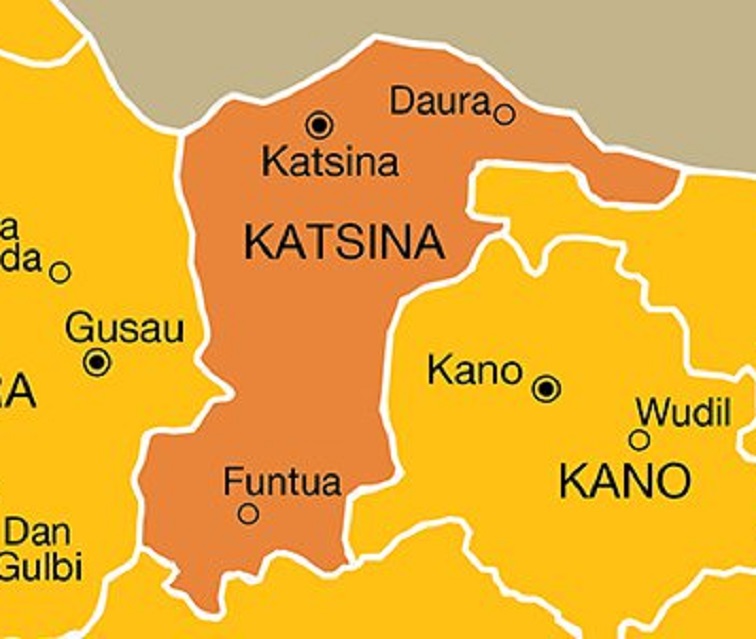
Ten people abducted by bandits in Malumfashi Local Government Area (LGA) of Katsina State have regained their freedom after a local peace agreement facilitated by the council chairman, Hon. Muntari Abdullahi City. The release reportedly occurred without any ransom payment, highlighting a rare success in ongoing local efforts to negotiate peace with armed criminal groups in the region.
According to sources familiar with the incident, the council chairman personally led a delegation to the bandits’ hideout, where discussions were held that culminated in the safe release of the victims. Photographs shared on social media show Hon. Abdullahi riding a motorcycle alongside some of the bandits during the negotiation process, an unusual but striking image that underscores the local, hands-on approach adopted by the community to resolve the crisis.
While authorities are yet to issue an official statement regarding the incident, residents of Malumfashi have expressed relief over the return of the abducted individuals. The victims, whose identities have not been disclosed for security reasons, were reportedly in good health and reunited with their families shortly after their release.
This development comes amid rising concerns about banditry in northern Nigeria. Katsina State, along with neighbouring Zamfara, Kaduna, and Sokoto states, has faced repeated attacks by armed groups that engage in kidnapping, armed robbery, and other criminal activities. These attacks have resulted in the loss of lives, destruction of property, and widespread fear among communities.
Banditry has also become a major security challenge for the Nigerian government. While the military and police have conducted operations to neutralise armed groups, the persistence of kidnappings and other criminal acts has prompted local governments and community leaders to explore alternative strategies. One such strategy is dialogue and negotiation, which in some cases has led to the temporary or permanent release of abducted persons.
Hon. Muntari Abdullahi City’s intervention highlights the growing role of local authorities in mediating between communities and bandit groups. Analysts say such approaches are often controversial because they can be seen as legitimising criminal activity. However, proponents argue that dialogue can save lives and reduce immediate risks, particularly in areas where security forces have limited access or capacity.
“This is an important development for Malumfashi and the surrounding areas,” said a community leader who asked not to be named. “The release of these ten people without ransom shows that negotiation and dialogue, when properly managed, can work. It is a sign that communities are willing to take proactive steps to protect their people.”
The incident also raises questions about the government’s broader strategy for addressing insecurity. Critics have long argued that while military operations are necessary, they are insufficient on their own. They contend that sustainable peace requires a combination of security enforcement, community engagement, and efforts to address the social and economic conditions that contribute to banditry.
According to reports, some previous negotiations with bandit groups have involved the payment of ransoms, a practice that has been criticised for encouraging further abductions. In this case, however, the release was reportedly secured without financial transactions, marking a departure from previous trends and providing a potential model for future interventions.
Katsina State Governor, though yet to comment publicly on the latest development, has in the past emphasised the need for cooperation between local communities and government agencies to tackle banditry. The state government has also launched various initiatives aimed at improving security, including community policing, intelligence gathering, and outreach programmes to discourage youth from joining criminal groups.
The Nigerian government continues to face pressure to address the root causes of banditry, which include poverty, unemployment, easy access to weapons, and weak law enforcement in rural areas. While the release of the ten victims in Malumfashi is a positive development, experts warn that sustainable peace will require comprehensive strategies that combine security operations with community development and social intervention.
For now, families in Malumfashi can breathe a sigh of relief as the abducted victims return home safely. The episode also demonstrates the critical role that local leaders, such as Hon. Muntari Abdullahi City, can play in protecting their communities, even amid ongoing security challenges.
As northern Nigeria continues to grapple with banditry, incidents like this one may serve as a reminder that solutions are not solely military but also require trust, negotiation, and the active participation of community stakeholders.