
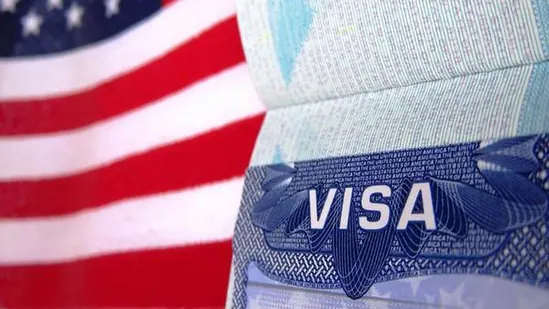
The European Union, France, and Germany have strongly condemned the United States’ recent visa bans on European citizens, calling the measures “unjustified” and a threat to free speech. The row comes amid growing tensions between Washington and European capitals over online regulation, trade, and political differences.
The U.S. administration, under President Donald Trump, on Tuesday imposed visa restrictions on five European citizens, accusing them of working to censor freedom of speech or unfairly targeting U.S. technology companies with strict regulations. Among those affected is Thierry Breton, a former French finance minister and European Commissioner for the Internal Market from 2019 to 2024. Breton played a key role in the European Union’s Digital Services Act (DSA), a major law designed to make the online world safer.
Other individuals targeted by the U.S. measures include Imran Ahmed, British CEO of the U.S.-based Center for Countering Digital Hate; German activists Anna-Lena von Hodenberg and Josephine Ballon of HateAid; and Clare Melford, co-founder of the Global Disinformation Index.
In response, the European Commission said it “strongly condemns the U.S. decision” and reaffirmed that freedom of expression is a fundamental right in Europe, shared across democratic nations, including the United States. The Commission also warned that Brussels would “respond swiftly and decisively” if necessary to defend Europe’s regulatory autonomy.
The visa bans are expected to further strain relations between the U.S. and Europe, which are already at odds over a range of issues, including free speech, trade policies, immigration, far-right politics, and the Russia-Ukraine war.
The tensions intensified earlier this month when the EU fined Elon Musk’s social media platform, X, 120 million euros for violating online content rules. Breton and Musk have publicly clashed over EU tech regulations, with Musk labeling Breton as the “tyrant of Europe.” The U.S. administration has described the DSA as placing undue restrictions on freedom of expression and unfairly targeting American companies.
The Digital Services Act, adopted by the European Parliament and supported by all 27 EU member states, aims to regulate digital platforms and make online spaces safer. It requires technology companies to remove illegal content, including hate speech and child sexual abuse material, and to improve transparency in how content is moderated.
French President Emmanuel Macron joined the criticism of the U.S. actions, calling the visa bans “intimidation and coercion aimed at undermining European digital sovereignty.” Macron emphasized that the DSA was created through a democratic process to ensure fair competition among platforms and to make illegal activities offline illegal online as well.
Thierry Breton reacted on social media, questioning whether the United States had returned to a McCarthy-era style of “witch hunts.” He highlighted that the DSA was unanimously approved by both the European Parliament and all EU member states, asserting that censorship is not occurring where the U.S. claims it is.
Germany also voiced strong opposition. The German justice ministry expressed support for the two German activists affected by the bans and described the measures as unacceptable. The ministry emphasized that the rules for digital conduct in Germany and Europe are determined by local and regional laws, not by decisions in Washington.
A spokesperson for the Global Disinformation Index called the visa bans “an authoritarian attack on free speech and an egregious act of government censorship,” adding that the Trump administration is using its power to intimidate and silence voices it disagrees with.
The visa bans highlight broader disagreements between Europe and the United States on how to regulate online content. The U.S. claims that European regulations, such as the DSA, place excessive burdens on U.S. tech giants and restrict freedom of expression. The EU, on the other hand, argues that countries have the right to regulate economic activity and protect citizens from harmful content online.
These recent sanctions are not the first time the Trump administration has targeted French citizens. In August, Washington sanctioned Nicolas Yann Guillou, a French judge on the International Criminal Court, for the tribunal’s investigation of Israeli leaders and past scrutiny of U.S. officials.
The visa restrictions have drawn widespread international criticism and could prompt retaliatory measures by the EU. Brussels has requested more information from Washington regarding the bans and has warned that any unjustified measures could be met with a “swift and decisive” response.
The dispute also reflects differing attitudes toward online content regulation. While Europe favors stricter controls to combat hate speech, misinformation, and disinformation, the U.S. emphasizes minimal interference and prioritizes freedom of expression. These conflicting approaches have caused tension in diplomatic relations and could influence future trade and political negotiations.
In addition to diplomatic consequences, the visa bans have raised concerns about freedom of speech and civil liberties. Activists and organizations affected by the measures warn that such actions set a dangerous precedent for international governance and could undermine global democratic norms.
The DSA, which Breton helped design, requires platforms to take proactive measures against illegal content, ensuring that online spaces are safer for users. It also mandates transparency in how social media platforms moderate content, an issue that has frequently drawn criticism for lack of accountability.
As the dispute continues, both sides face significant pressure to navigate diplomatic tensions while addressing domestic political concerns. For Europe, defending the DSA is seen as crucial to protecting digital sovereignty and asserting regulatory authority. For the U.S., safeguarding tech companies from foreign regulation remains a priority.
For the individuals directly affected, including Breton and other activists, the sanctions carry practical consequences, including limitations on travel and participation in international conferences. The measures also symbolize the high stakes of the broader debate over digital governance, freedom of expression, and regulatory power in the 21st century.