
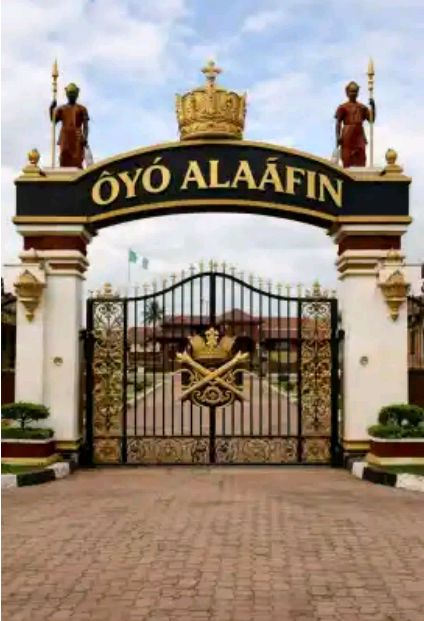
The Alaafin of Oyo, Oba Akeem Owoade, on Tuesday formally moved into the ancient Alaafin Palace in Oyo town, about nine months after his installation as the traditional ruler of the historic Oyo Kingdom.
The development was confirmed in a statement issued in Ibadan, the Oyo State capital, by the Director of Media and Publicity to the Alaafin, Mr. Bode Durojaiye. According to the statement, the monarch moved into the palace located at the Oke Afin area of Oyo town amid joy and celebration by residents of the ancient town.
The palace, which is regarded as one of the most important symbols of Yoruba history and culture, had been in a poor state for many years before Oba Owoade’s decision to begin its rehabilitation. Durojaiye said the ancient palace was largely abandoned and in ruins before the new Alaafin ascended the throne.
He explained that many parts of the palace had been vandalised, while most of the facilities inside the historic structure were either destroyed or badly damaged. According to him, the palace had become an empty shell, requiring urgent rehabilitation and reconstruction to restore its lost glory.
Soon after his installation as the Alaafin of Oyo, Oba Owoade began efforts to repair and restore parts of the palace. The move, according to palace sources, was driven by the monarch’s desire to preserve Yoruba history and cultural heritage for future generations.
The rehabilitation work, which has been ongoing for several months, is being supervised by the Personal Assistant to the Alaafin, Mr. Kolade Oladele. The work focused on restoring key structures while maintaining the original architectural design of the ancient palace.
According to the statement, the palace structures now reflect their original strength and beauty. The buildings are described as bold, sturdy, and resilient, standing as a reminder of the craftsmanship and artistic skill of the ancient Oyo people.
The palace layout includes carefully designed columns, windows, and doors, many of which still bear the traditional artistic patterns and symbols of ancient Oyo art. These designs reflect the values, beliefs, and social structure of the old Oyo Empire, which was once one of the most powerful kingdoms in West Africa.
Almost all the houses within the palace complex were built around courtyards, a common feature of traditional Yoruba architecture. Some of the larger and stronger-looking buildings have more than one courtyard, showing their importance and status. Each courtyard is surrounded by rooms that open into it, allowing free movement of air and space for family and cultural activities.
According to palace officials, a visit to the ancient palace clearly shows that it is a rich storehouse of Yoruba culture and tradition. The palace is decorated with various works of art, including carved wooden house posts and door panels. These carvings are traditional symbols of wealth, power, and royalty in Yoruba land.
In addition to the traditional carvings, the palace also features sculptures of lions and hunters, which represent strength, courage, and protection. Some of these figures are made from modern materials, blending old traditions with newer artistic styles.
The walls of the palace are also decorated with mosaics and painted murals. These artworks depict scenes from everyday life, historical events, and spiritual beliefs of the Yoruba people. Images of decorated calabashes and imaginary beings can also be seen, reflecting the deep connection between art, culture, and storytelling in Yoruba tradition.
The Alaafin’s movement into the ancient palace was greeted with excitement across Oyo town. Residents, both young and old, came out in large numbers to welcome their monarch into what is often described as the spiritual and cultural heart of the Yoruba race.
The statement noted that there was a festive atmosphere in the town as people lined the streets to catch a glimpse of the Alaafin as he entered the palace. Traditional drummers, singers, and well-wishers added colour to the occasion, celebrating what many described as a historic moment.
Many residents expressed happiness that the Alaafin has finally moved into the ancient palace, saying it showed respect for tradition and history. Some described the move as a return to the roots of the Oyo Kingdom.
The Alaafin of Oyo is one of the most respected traditional rulers in Nigeria, especially in the South-West. The stool of the Alaafin dates back several centuries and played a central role during the height of the Oyo Empire, which once controlled large parts of present-day South-West Nigeria and beyond.
Traditionally, the Alaafin is not just a political leader but also a cultural and spiritual symbol for the Yoruba people. The ancient palace has therefore always been more than a residence; it represents authority, continuity, and the soul of the kingdom.
Oba Akeem Owoade was installed as the Alaafin about nine months ago following the passing of his predecessor. Since his installation, he has spoken about his commitment to peace, development, and unity within Oyo Kingdom and across Yoruba land.
According to the statement, the people of Oyo admire their king for his seriousness, leadership qualities, and dedication to excellence. Many see him as a leader of thought who is focused on promoting development while preserving the rich cultural heritage of the Yoruba people.
Residents also praised the Alaafin for his efforts to restore the ancient palace rather than abandoning it for a modern residence. They said the decision shows his respect for tradition and his desire to pass on Yoruba history to future generations.
Some cultural experts have described the palace rehabilitation as an important step in preserving Nigeria’s cultural heritage at a time when many historic sites are being lost to neglect and urban development.
They noted that traditional institutions still play an important role in promoting peace and unity at the grassroots level. According to them, the Alaafin’s actions send a strong message about the importance of culture, identity, and history in modern society.
As Oba Owoade settles into the ancient palace, many in Oyo Kingdom are hopeful that his reign will bring renewed focus on cultural revival, youth development, and peaceful coexistence among communities.