
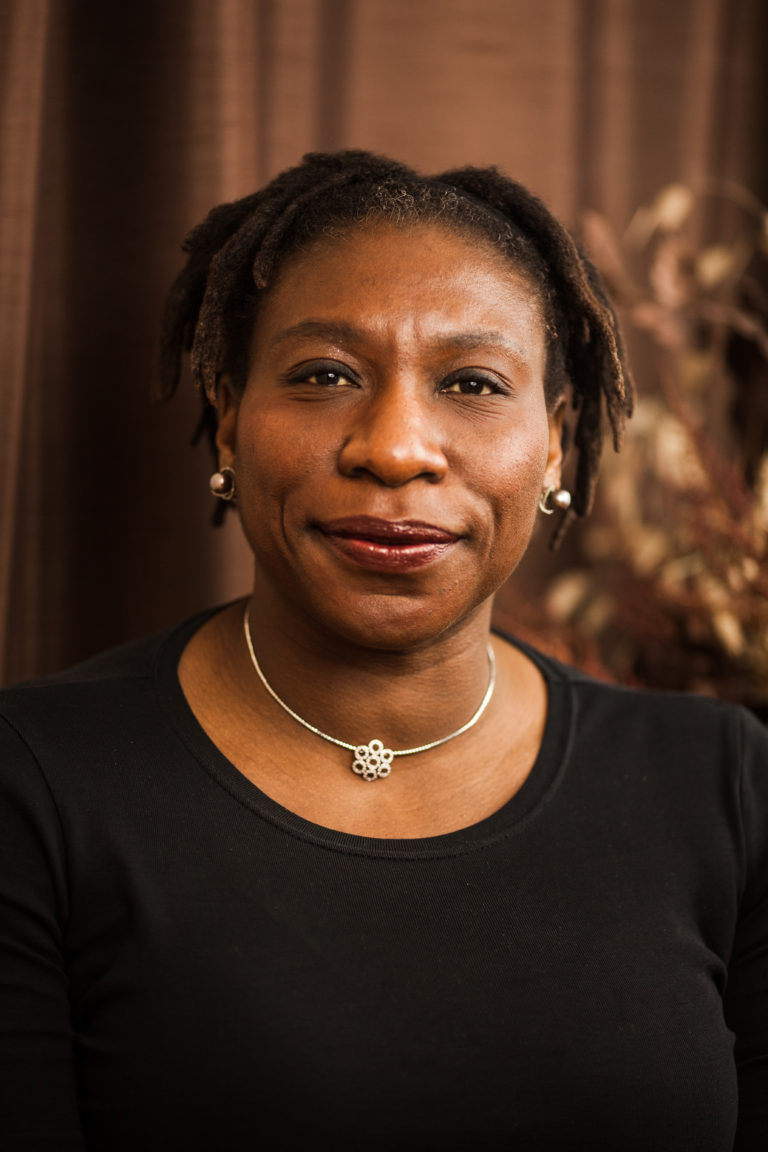
Iyabo Obasanjo, a former Ogun State Commissioner for Health and ex-member of the Senate, has explained why she left the Peoples Democratic Party (PDP) to join the ruling All Progressives Congress (APC).
Speaking during an interview on Frontline, a current affairs programme on Eagle 102.5 FM, Ilese Ijebu, Iyabo said she was not pressured or persuaded by the APC to defect. According to her, the decision was personal and based on her experience within the PDP.
She said clearly, “APC never approached me. I know there are a lot of things out there in terms of APC reaching out to people to join and all that. I never was approached.”
Her defection comes as political activities slowly gather pace ahead of the 2027 general elections, especially in Ogun State, where political leaders are already positioning themselves.
Iyabo Obasanjo recently returned to active politics after about 15 years away from the scene. She had earlier served as Ogun State Commissioner for Health and later as a senator representing Ogun Central Senatorial District.
In 2011, she lost her re-election bid after she was defeated by Senator Gbenga Obadara of the then Action Congress of Nigeria (ACN). After that loss, she relocated to the United States, where she focused on her academic career. Over the years, she rose to the rank of professor.
Her return to politics surprised many observers, especially given her long absence from the political stage. However, she said her decision to join the APC was not sudden but followed careful thinking.
“For me, it was, I made a choice to join,” she said. “To kind of say, oh, APC pressured me to join and things like that, there was never anything. I analyzed the situation.”
Iyabo said her main reason for leaving the PDP was that she no longer felt comfortable in the party. She explained that she had felt sidelined and ignored.
“I left because I wasn’t comfortable in the party,” she said.
She revealed that she could have left the PDP much earlier but chose not to because of her father’s position in the party at the time.
Her father, Olusegun Obasanjo, was a leading figure in the PDP for many years. He served as Nigeria’s President from 1999 to 2007 under the PDP platform and remained influential in the party long after leaving office.
Iyabo said that while her father was still a party chieftain, it would have created a wrong impression if she had moved to another party.
“I could have joined the other party then, but my dad was then still a chieftain in that other party. It would be like I was joining against him,” she said.
She added that her father no longer belongs to any political party, noting that he publicly tore his PDP membership card some years ago. According to her, this made it easier for her to make her own political choice without creating unnecessary tension.
“Now, he doesn’t belong to any party, he tore his party card and I’m a free agent,” she said.
Iyabo did not hide her disappointment with the PDP. She said she felt unappreciated and ignored by the party leadership.
“I’m not comfortable being part of an organization that I left and nobody cared to find out why,” she said.
She recalled that the only time she was contacted by people in the party was when elections were close and they needed her support.
She said that as a former senator with a strong following, she expected more respect and engagement from the party.
“I was a senator of the Federal Republic and I knew the followership I had there. Then the election was coming and somebody from the presidency reached out. How transactional is that?” she asked.
According to her, she ended the phone call because she felt the contact was only for political gain.
“You only realize that there are people that can help you during elections,” she said.
Iyabo said she has no intention of returning to the PDP.
“Yes, I will never go back to that party,” she stated.
She added that she felt disappointed with some individuals in the party, saying they failed to understand that politics is about people and relationships.
In the interview, Iyabo used strong language to describe her frustration. She said that party leaders failed to build strong relationships within their own ranks.
“I think they’re idiots, if you can put it that way,” she said, referring to those she believes mishandled party affairs.
She argued that elections are about people and that leaders must value and carry their members along.
“If elections are about people and if you don’t reach out to the people that are prominent in your party, how do you win elections? You can’t,” she said.
According to her, politics should not be about using people only when it is convenient.
“Politics is not about using people for an end but about caring for people and carrying them along,” she said.
She questioned how leaders who fail to care for their own team members can truly care for ordinary Nigerians.
“If you can’t care for people in your own leadership team, how can you care for the ordinary person on the street?” she asked.
Iyabo Obasanjo’s defection is seen by some political watchers as a boost for the APC in Ogun State. Ogun has long been a politically active state, producing national figures and strong political movements.
The APC currently controls the federal government and several states, including Ogun. The PDP, once the dominant party at the national level, has in recent years struggled with internal crises and defections.
Her move may also carry symbolic weight because of her family name. As the daughter of former President Olusegun Obasanjo, her political decisions often attract national attention.
However, analysts say that beyond the name, her political strength will depend on how well she reconnects with voters after many years away from frontline politics.
With the 2027 elections still some distance away, political realignments are expected to continue across parties. Many politicians are reviewing their positions and alliances as they prepare for the next electoral cycle.
“My own situation was a decision based on analysis and based on who I am and where I feel comfortable being part of,” she said.
As the political space begins to open up ahead of 2027, her return and defection may shape discussions within both the APC and the PDP in Ogun State. Whether her move will translate into electoral success remains to be seen, but her message is clear: she left the PDP by choice, not by pressure, and she does not plan to go back.

