
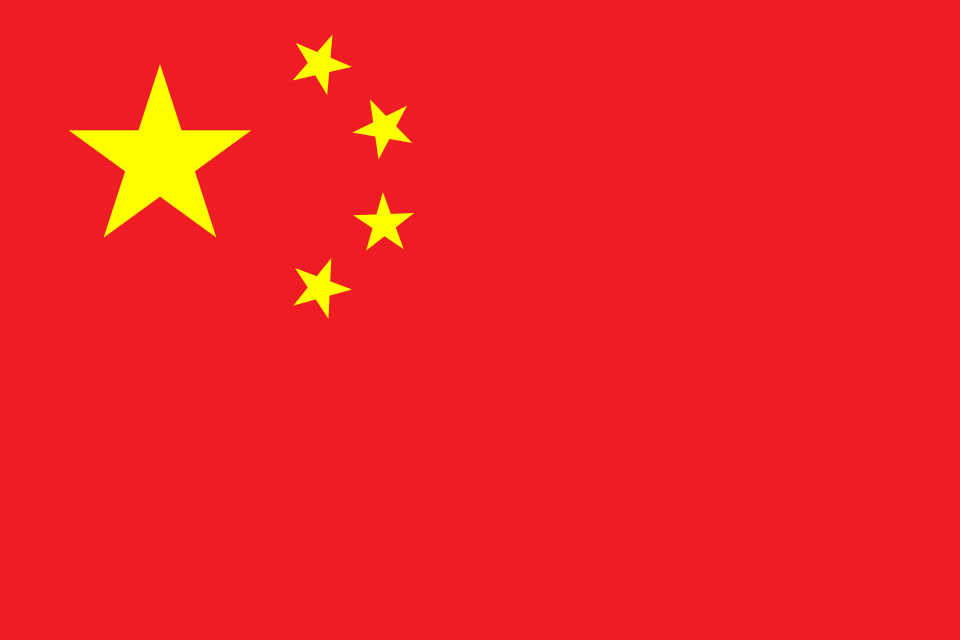
China has strongly criticized the United States following recent military action against Iran, describing America as a “war addict” and blaming it for global instability.
In a sharp reaction to the reported US strikes on Iranian targets, Chinese officials said the United States has a long history of military intervention across the world. The comments came amid rising tensions in the Middle East after the US launched attacks which it said were aimed at preventing threats from Iran.
In a statement shared by Chinese authorities, Beijing said: “The US is a war addict. Throughout its over 240-year history, it has been at war for all but 16 years.”
China also claimed that the United States maintains about 800 overseas military bases in more than 80 countries and regions, describing this as proof of what it called America’s expansion of military influence.
The latest exchange of words follows reports of heavy military action involving the United States and Iran. Explosions were reported in parts of Tehran after US forces carried out strikes. Washington said the action was meant to address security threats.
The President of the United States, Donald Trump, said the goal of the operation was to deal with what he described as imminent danger from Iran. He stated that US forces were targeting missile and military facilities.
However, China’s response shows growing concern among major world powers about the direction of the crisis. Beijing warned that such actions could worsen instability in an already tense region.
“The US is the main cause of international disorder, global turbulence, and regional instability,” the Chinese statement said.
The Middle East has for decades been a region marked by political tension, armed conflict, and rivalry among global powers. Countries such as Iran have had strained relations with the United States for many years, especially over issues related to nuclear development, regional influence, and sanctions.
China, which has strong economic ties with Iran, has often called for dialogue instead of military action. It has also criticised Western sanctions placed on Tehran.
China’s comments also highlight a broader debate about America’s role in global security. The United States has been involved in several major wars over the past century, including conflicts in Iraq, Afghanistan, and other parts of the Middle East.
Supporters of US foreign policy argue that American military presence abroad helps protect allies and maintain global security. Critics, however, say repeated interventions have sometimes worsened conflicts and created long-term instability.
China’s reference to the large number of US overseas military bases points to Washington’s global reach. The US military maintains bases in Europe, Asia, the Middle East, and Africa. These bases are used for security cooperation, counter-terrorism operations, and regional defence.
For many African countries, including Nigeria, stability in the Middle East is important for economic reasons. The region plays a key role in global oil production. Any major conflict can affect oil prices, trade routes, and global markets.
Nigeria, as an oil-producing country, often feels the impact of changes in global oil prices. In the past, crises in the Middle East have led to price increases, which can boost government revenue but also create uncertainty in global trade.
Foreign policy experts say tensions between the US and Iran could also affect international relations beyond the Middle East. Countries may be forced to take diplomatic positions, while global institutions call for calm and dialogue.
So far, there have been calls from different parts of the world urging restraint. Many governments have appealed to both sides to avoid further escalation and to return to diplomatic talks.
China has repeatedly stated that disputes should be resolved through negotiation rather than force. Its latest comments suggest that it sees the US action as part of a wider pattern of military involvement abroad.
As the situation develops, the world will be watching closely to see whether tensions ease or deepen. For now, China’s strong words underline how the crisis has moved beyond a regional issue to become part of a larger global power struggle.
With tensions high and strong statements coming from both sides, the coming days will be critical in shaping the next phase of the crisis.

