
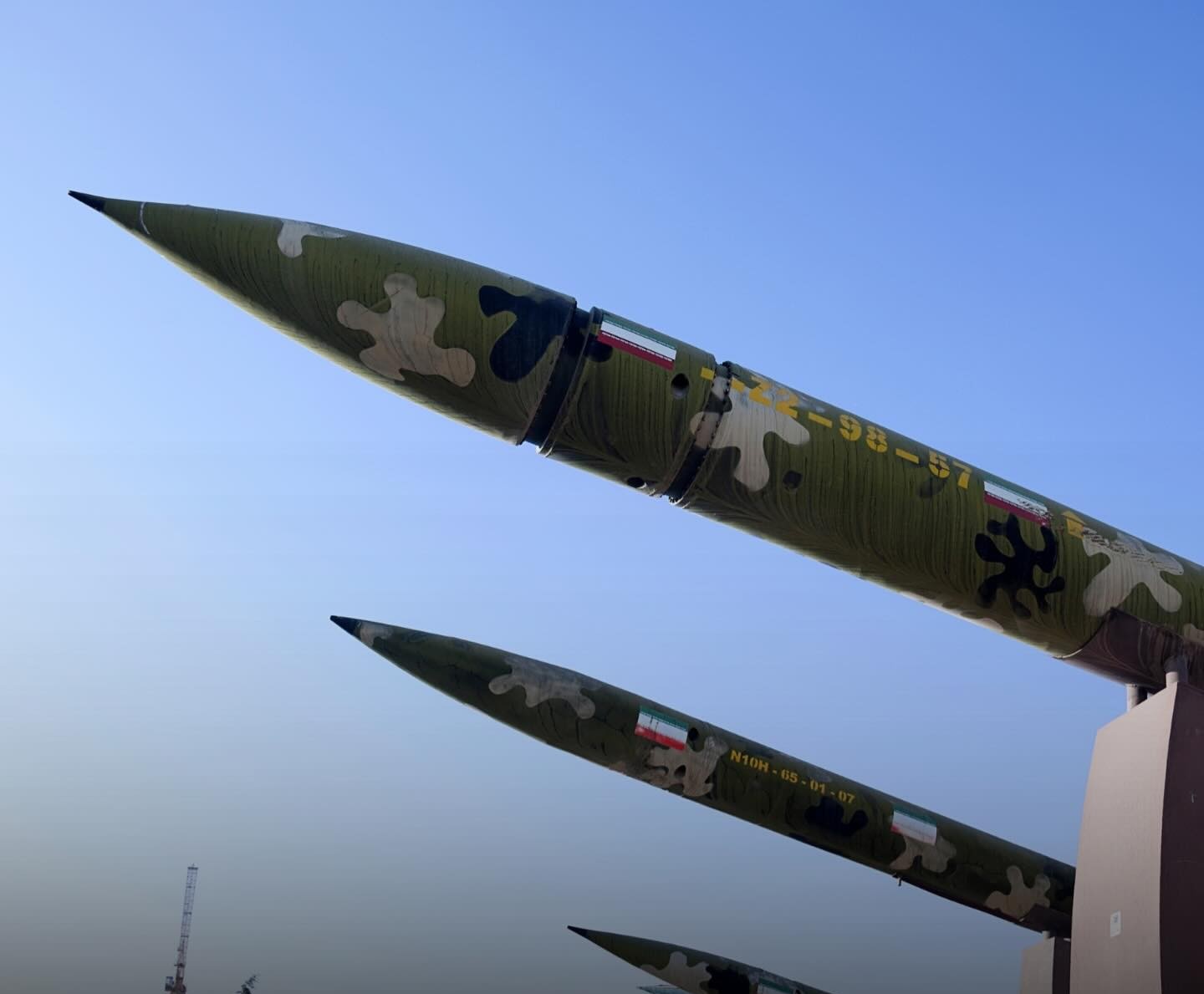
Several United States military bases in the Gulf region have reportedly come under attack by Iran’s Revolutionary Guards, according to Iran’s semi-official Fars News Agency.
The report, published on Saturday by the Fars News Agency, claimed that American bases located in Kuwait, the United Arab Emirates, Qatar, and Bahrain were under attack.
The alleged attacks were said to have been carried out by Iran’s Revolutionary Guards, also known as the Islamic Revolutionary Guard Corps (IRGC), a powerful branch of Iran’s armed forces.
As of the time of filing this report, there was no official confirmation from the United States government or authorities in the affected Gulf countries. However, the development has raised fresh fears of a wider conflict in the Middle East.
The reported attacks come amid rising tensions between the United States and Iran following recent US military strikes on Iranian targets. Washington had earlier announced military action, saying it was aimed at stopping what it described as security threats.
Iran, in response, warned that it would defend itself and retaliate against any aggression. The latest report from Fars News Agency suggests that such retaliation may now be targeting US military facilities across the Gulf.
The Gulf region hosts several key American military bases. In Qatar, the Al Udeid Air Base is one of the largest US military facilities in the Middle East. In Bahrain, the US Navy’s Fifth Fleet operates from a major naval base. Kuwait and the United Arab Emirates also host American troops and equipment used for regional security operations.
These bases play an important role in US military strategy in the Middle East. They are used for air operations, intelligence gathering, logistics support, and naval patrols. The presence of US forces in the region has been a long-standing issue of tension between Washington and Tehran.
Iran has often criticised the large American military presence near its borders. The Islamic Revolutionary Guard Corps has repeatedly warned that US bases in the region could become targets if conflict breaks out.
The Middle East has experienced many years of political tension and armed conflict. Relations between the United States and Iran have been strained for decades, especially after the 1979 Iranian Revolution. Issues such as nuclear development, economic sanctions, and regional influence have continued to fuel disagreements.
In recent years, there have been several incidents involving attacks on military and oil facilities in the Gulf. These incidents have sometimes been linked to wider tensions between Iran and its rivals, including the United States and some Gulf countries.
The Gulf region is critical to global oil supply. Countries like Kuwait, Qatar, the UAE, and Bahrain are key players in energy production and export. Any major conflict could disrupt oil shipments and affect global prices.
For Nigeria, developments in the Gulf are important. As an oil-producing country, Nigeria often feels the impact of changes in global oil prices. Rising tensions in the Middle East have in the past led to sharp increases in crude oil prices. While higher prices can mean more revenue for oil exporters, they can also create instability in global markets.
There are also many Nigerians living and working in Gulf countries. Thousands are employed in sectors such as construction, healthcare, domestic services, and oil and gas. Any worsening of security conditions could put foreign workers at risk.
International observers have called for calm and restraint. Diplomatic efforts are likely to increase in the coming days to prevent further escalation. In previous crises, global powers and regional organisations have stepped in to encourage dialogue.
So far, authorities in Kuwait, the UAE, Qatar, and Bahrain have not released detailed public statements confirming the reported attacks. Military analysts say that in situations like this, governments may take time to verify information before making official announcements.
The United States has not yet responded publicly to the claims by Fars News Agency. In past incidents, Washington has promised to defend its forces and allies in the region against any threats.
The situation remains fluid, and information is still emerging. Observers say that the next steps taken by both Iran and the United States will be crucial in determining whether the crisis deepens or cools down.
.

