
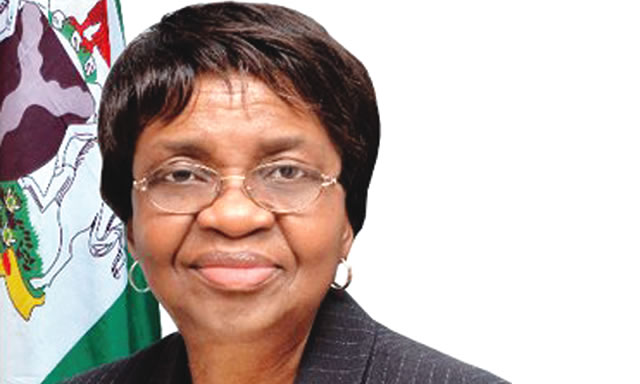
The Director-General of the National Agency for Food and Drug Administration and Control (NAFDAC), Mojisola Adeyeye, has called on the government, private sector, and communities to invest more in the well-being of women and children, describing them as key to building a healthier and more sustainable Nigeria.
Adeyeye made the appeal during NAFDAC’s 2026 International Women’s Day (IWD) celebration in Abuja. The event, themed “Give to Gain,” was organised to honour the contributions of NAFDAC staff, with a special focus on women who have played critical roles in safeguarding public health across the country.
Speaking at the ceremony, Adeyeye said, “Women and children are central to the future of Nigeria. Investing in their health, education, and welfare is not just a social responsibility but a strategic national priority.” She stressed that the resilience and dedication of women in institutions like NAFDAC must be recognised and supported, as they continue to contribute significantly to public health and national development.
The event, attended by NAFDAC staff and key stakeholders, highlighted how women have been driving innovation and leadership in healthcare systems, often working tirelessly to improve community well-being. The celebration also provided a platform to reflect on challenges facing women and children in Nigeria, including limited access to quality healthcare, nutrition, and education in some areas.
According to Adeyeye, NAFDAC has taken steps to address these challenges. She pointed to the NAFDAC Maternal, Newborn and Child Health Initiative, launched in November 2025, as a demonstration of the agency’s commitment to improving health outcomes for mothers and children. The initiative seeks to provide better maternal care, promote child nutrition, and reduce preventable illnesses that affect women and children across Nigeria.
“By focusing on women and children, we are not only improving lives today but also securing a healthier generation for tomorrow,” Adeyeye said. She urged government agencies, private organisations, and citizens to join hands in creating policies and programmes that empower women and protect the most vulnerable members of society.
The theme of this year’s International Women’s Day celebration, “Give to Gain,” was explained by Mrs Joan Agbaagu, NAFDAC’s Head of Reforms Unit. She said the theme reflects the importance of selfless service and collective responsibility in improving public health. “It reminds us that every effort to support women and children is an investment in the nation’s future,” Agbaagu said.
NAFDAC’s IWD event also recognised outstanding staff members, particularly women, who have demonstrated exceptional commitment to their duties. Staff members shared experiences and best practices on how women have been advancing healthcare in their communities, from grassroots health education to ensuring the safety and quality of drugs and food products nationwide.
Nigeria faces ongoing challenges in maternal and child health. According to recent reports from the National Demographic and Health Survey, maternal mortality rates remain high, and childhood diseases continue to affect millions. Experts say that strengthening health systems, improving access to healthcare services, and investing in women’s education and empowerment are crucial steps toward reversing these trends.
NAFDAC, as Nigeria’s food and drug regulatory authority, plays a unique role in this effort. Beyond regulating medicines, food products, and medical devices, the agency engages in public health initiatives aimed at reducing preventable illnesses, promoting safe nutrition, and enhancing maternal and child health outcomes. Programs like the Maternal, Newborn and Child Health Initiative are designed to bridge gaps in care and raise awareness about health practices that save lives.
International Women’s Day provides a global opportunity to reflect on the progress made in gender equality and women’s health while acknowledging the work that still needs to be done. In Nigeria, events like NAFDAC’s celebration bring attention to the link between women’s welfare, public health, and national development.
Adeyeye also encouraged organisations to create more spaces where women can lead and innovate. She said, “Investing in women is not only about health; it is about enabling leadership, entrepreneurship, and decision-making at all levels. Healthy women mean healthy families, which translates to stronger communities and a stronger nation.”
The 2026 NAFDAC IWD celebration concluded with a call to action, urging all stakeholders to prioritize women and children in policy decisions, healthcare investments, and community development projects. It reaffirmed NAFDAC’s commitment to its mission of safeguarding lives through the regulation of food, drugs, and other essential products while promoting health and well-being across Nigeria.
By shining a spotlight on women’s roles in healthcare, NAFDAC hopes to inspire similar initiatives nationwide, ensuring that women and children receive the attention and resources needed to thrive.

