
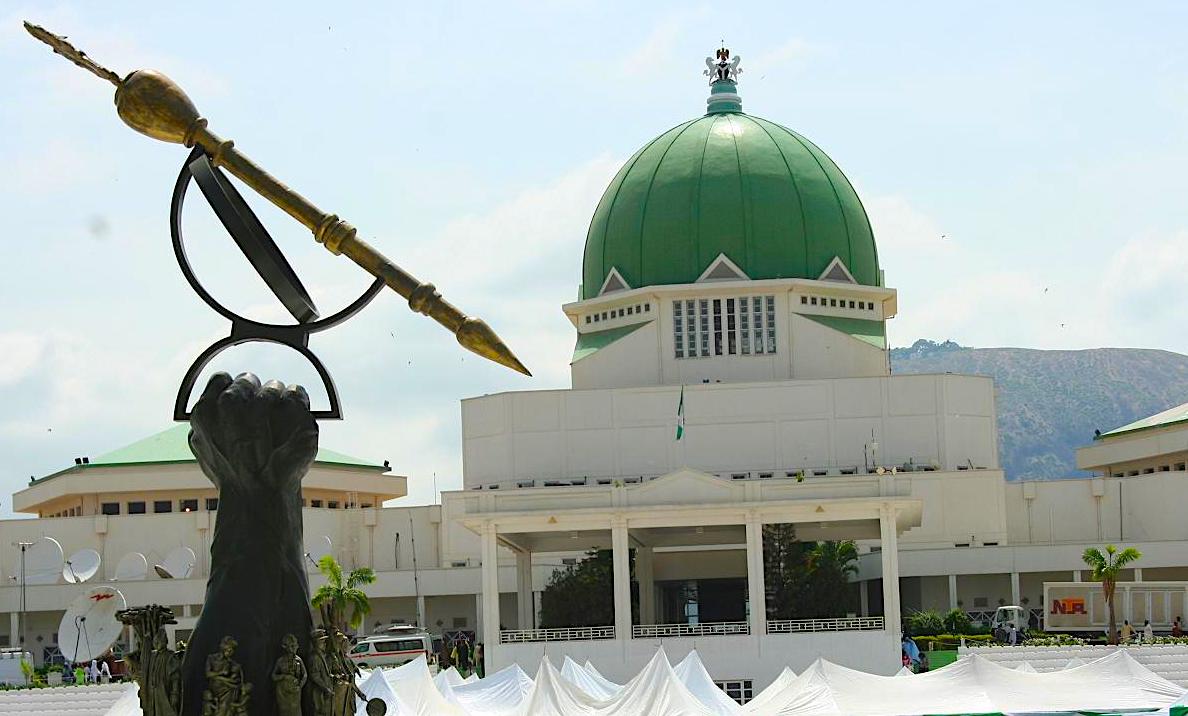
State governors across Nigeria have taken a fresh step toward the creation of state police, submitting a proposal to the National Assembly of Nigeria as part of efforts to tackle rising insecurity across the country.
The development was disclosed by the Chairman of the Nigeria Governors’ Forum (NGF) and Governor of Kwara State, AbdulRahman AbdulRazaq, during a Sallah visit by 25 governors to President Bola Ahmed Tinubu at his residence in Ikoyi, Lagos, on Sunday.
AbdulRazaq said the NGF has prepared and submitted a framework that will guide the establishment of state police if approved by lawmakers. He explained that the move is part of wider efforts by both federal and state governments to address security challenges facing the nation.
According to him, discussions on state police are ongoing among key security agencies under the coordination of the Office of the National Security Adviser, with governors contributing their position through the newly submitted document.
“That document will be taken to the National Assembly to see how we can have a legislative framework for state police,” he said.
Nigeria currently operates a central policing system under the Nigeria Police Force, which is controlled by the federal government. Over the years, many stakeholders have argued that this system is no longer sufficient to handle the country’s complex and widespread security problems.
From insurgency in the North-East to banditry and kidnapping in the North-West and North-Central, as well as violent crimes in parts of the South, security challenges have continued to affect communities across the country.
These problems have led to increasing calls for state police, with supporters arguing that local authorities are better placed to understand and respond to security issues in their areas.
However, the idea has also raised concerns. Critics fear that state governors could misuse police powers for political purposes, especially during elections. Others have questioned how state police would be funded and managed.
Despite these concerns, the NGF says the proposal aims to create a structured and accountable system that will complement existing security agencies rather than replace them.
During the meeting with the President, the governors also pledged to strengthen cooperation with security forces to combat crime and violence. They stressed the need for unity in addressing threats such as terrorism and kidnapping.
“We commit to renewing our collaboration with security forces to defeat terrorism, to steadily expand infrastructure opportunities, and to improve the lives of our people,” AbdulRazaq said.
He added that improved security is necessary for economic growth and development, noting that no meaningful progress can be achieved in an environment of fear and instability.
The governors also linked their efforts to the policies of President Tinubu, particularly his Renewed Hope Agenda, which focuses on economic recovery, infrastructure development, and improved living conditions.
AbdulRazaq commended the President for steps taken so far, saying the administration has helped to deepen citizens’ sense of inclusion in national development. He expressed optimism that ongoing reforms would lead to better security outcomes.
“Together, we must see those breaches of security all over the country come to an end,” he said.
The Sallah meeting brought together governors from across the country, showing broad support for the state police initiative. Among those present were Hope Uzodinma, Alex Otti, Umo Eno, and Douye Diri.
Others included Hyacinth Alia, Bassey Otu, Sheriff Oborevwori, and Francis Nwifuru.
Also present were Monday Okpebholo, Peter Mbah, Mohammed Inuwa Yahaya, and Umar Namadi.
The list also included Abba Kabir Yusuf, Dikko Umaru Radda, Ahmed Usman Ododo, and Babajide Sanwo-Olu.
Others were Abdullahi Sule, Caleb Mutfwang, Siminalayi Fubara, Agbu Kefas, Mai Mala Buni, and Lucky Aiyedatiwa.
The Deputy Governor of Borno State, Umar Usman Kadafur, also attended the meeting.
For the proposal to become law, the National Assembly will need to amend the Constitution, which currently places policing under federal control. Such a change will require strong support from lawmakers as well as approval from state assemblies.
As Nigeria continues to face security challenges, the submission of the NGF proposal marks an important step in the ongoing debate over how best to protect lives and property.
For many citizens, the hope is that whatever decision is taken will lead to a safer and more secure country.