
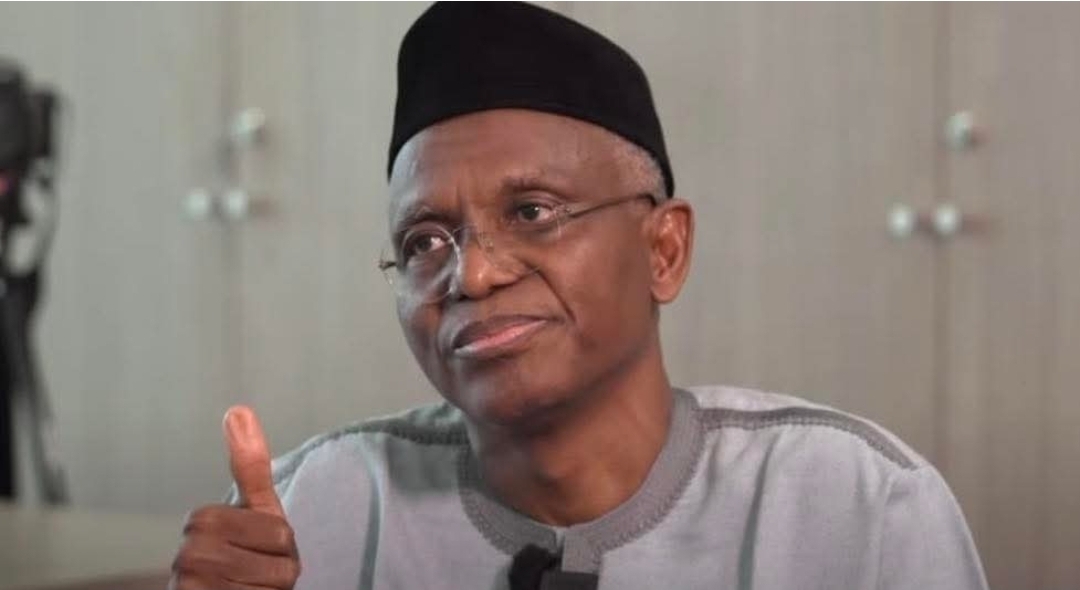
Former Vice President Atiku Abubakar has raised concerns over the arrest and detention of former Kaduna State governor Nasir El-Rufai, describing the situation as politically motivated.
El-Rufai, a prominent figure in Nigerian politics and a chieftain of the African Democratic Congress (ADC), is currently facing trial over allegations of corruption. The charges were brought against him by the Independent Corrupt Practices and Other Related Offences Commission (ICPC), one of Nigeria’s key anti-graft agencies tasked with investigating and prosecuting corruption cases.
The case took a dramatic turn on Wednesday when operatives of the Department of State Services (DSS) took El-Rufai into custody shortly after proceedings at the Federal High Court in Kaduna. The court had earlier adjourned the matter until April 14 to hear his bail application.
Observers said the timing of the arrest, coming immediately after the court session, has raised questions about due process and the role of security agencies in ongoing judicial matters.
In a statement issued by his media aide, Paul Ibe, Atiku argued that recent developments surrounding El-Rufai’s detention and temporary release point to political interference. According to him, the authorities initially released the former governor but later resumed actions that he described as harassment.
“Atiku believes that the release of Mallam Nasir El-Rufai only confirms what many have suspected all along—that his detention and arraignment are politically motivated,” the statement said.
He further criticised the manner in which the release was handled, noting that it was allegedly done without proper court approval. This, he said, raises concerns about respect for the rule of law and judicial authority.
The former vice president also stated that in a democratic system, every citizen has the right to choose their political path without intimidation or pressure from state institutions. He called for El-Rufai’s unconditional release, stressing that anything short of that would undermine democratic principles.
The case has drawn widespread attention across Nigeria’s political landscape, especially given El-Rufai’s influence and outspoken nature. As a former governor of Kaduna State, he played a significant role in shaping policies in northern Nigeria and has remained active in national political discussions.
However, supporters of the anti-corruption drive argue that no individual should be above the law, regardless of their political status. They insist that agencies like the ICPC must be allowed to carry out their duties without interference, especially in a country where corruption remains a major challenge.
Nigeria has long struggled with corruption, which affects public services, infrastructure development, and economic growth. Successive governments have pledged to tackle the issue, leading to the strengthening of institutions like the ICPC and the Economic and Financial Crimes Commission (EFCC). Despite these efforts, allegations of selective prosecution and political bias continue to surface.
For many Nigerians, the unfolding events surrounding El-Rufai’s trial are not just about one individual but about the broader question of fairness and accountability in governance. The case is expected to test the independence of the judiciary and the credibility of anti-corruption efforts in the country.
As the next hearing date approaches, attention will remain focused on the Federal High Court in Kaduna. The outcome of the bail application and subsequent proceedings could shape public perception of how justice is administered in politically sensitive cases.
Meanwhile, Atiku has urged authorities to act in line with democratic values, warning that any attempt to suppress political opposition could have serious implications for Nigeria’s democracy.
“This is a test of our commitment to justice, fairness, and the rule of law,” he said through his aide.
The coming weeks are likely to be crucial, not only for El-Rufai but also for Nigeria’s political and legal systems as they navigate yet another high-profile case under intense public scrutiny.