
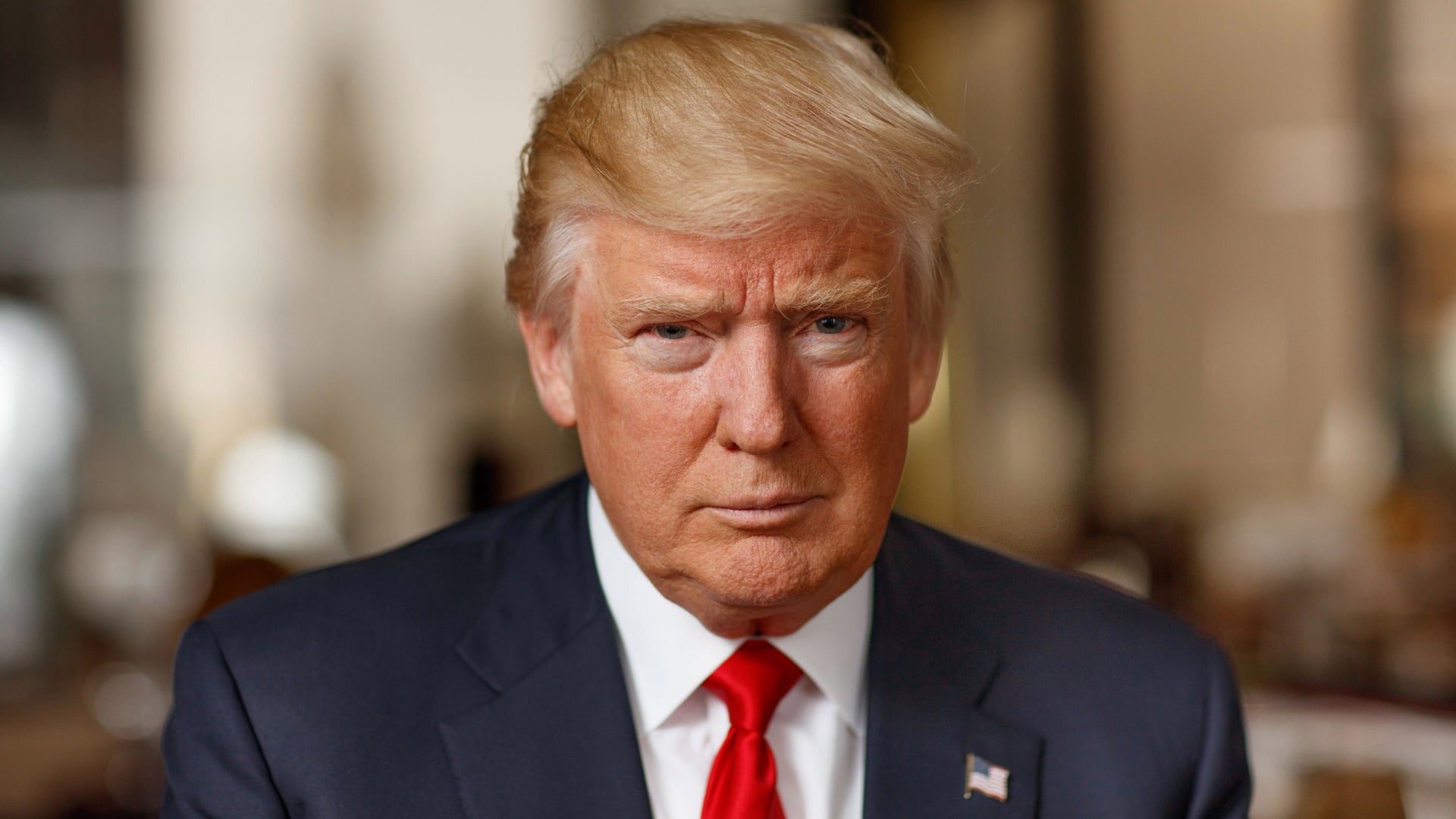
United States President Donald Trump has stirred fresh controversy after accusing CNN of publishing what he described as a false report and linking it to a “fake Nigerian site.”
In a strongly worded statement shared online, Trump alleged that CNN released a “knowingly false and dangerous statement” which it claimed came from senior officials in Iran. According to him, the report was completely fabricated and may have been designed to worsen an already tense situation involving Iran.
Trump further claimed that the source of the report was “a new, trouble-making site from Nigeria,” adding that CNN had been “caught cheating,” which he described as “a very dangerous thing to do.”
His comments have since drawn widespread attention, especially in Nigeria, where many citizens have reacted strongly to the mention of the country in the dispute.
Although Trump did not provide detailed evidence to support his claim, his remarks appear to be linked to ongoing tensions in global politics, particularly involving Iran and Western media coverage. Over the years, Trump has repeatedly criticised CNN, often accusing the network of spreading “fake news” during and after his time in office.
The latest statement adds a new dimension by dragging Nigeria into the narrative, raising concerns about how international audiences may view the country’s digital space.
Nigeria, Africa’s most populous nation, has one of the largest internet user bases on the continent. With millions of young people active on social media platforms, the country has become a major hub for online conversations, trends, and sometimes misinformation.
Following Trump’s statement, Nigerian social media platforms were flooded with reactions, ranging from humour to criticism and concern.
One user, identified as Wavenews, wrote: “Nigeria don enter global media war like this 😳,” expressing surprise that the country was mentioned in such a high-profile dispute.
Another user, Munzy14, suggested that Trump’s claim might not be entirely baseless, pointing to the activities of some online accounts known for sharing controversial content. The user wrote that certain handles often post misleading updates about global events, adding that such behaviour could damage Nigeria’s image.
Other users took a more critical stance, questioning Trump’s credibility and accusing him of making sweeping statements without proof.
A user known as AdaTech wrote: “It’s easy to blame Nigeria without evidence. We have many credible journalists here doing real work.”
Similarly, another commenter, ChuksOnline, said: “If there is any fake site, it should be investigated properly instead of generalising about Nigeria.”
Some reactions also turned humorous, with users joking about Nigeria’s unexpected inclusion in international political drama. Memes and satire posts quickly spread across platforms like X (formerly Twitter) and Facebook.
The mention of a “fake Nigerian site” in a global media dispute has raised concerns among communication experts and media professionals in Nigeria.
A Lagos-based media analyst, Tunde Adebayo, explained that while Nigeria cannot control what foreign figures say, it can work to improve its digital reputation.
“Nigeria has a vibrant media space, but we also have a problem with misinformation. Statements like this highlight the need to take the issue seriously,” he said.
He added that both government agencies and private organisations should invest in digital literacy programmes to help citizens identify false information and avoid spreading it.
The controversy also brings attention to the role of international media organisations like CNN in verifying their sources before publication.
If Trump’s claims are proven false, critics argue it could further deepen mistrust between political figures and the media. On the other hand, if there is any truth to the allegation, it may raise serious questions about editorial processes within major news organisations.
As of the time of filing this report, CNN has not issued a detailed response to Trump’s latest accusation.
The situation remains unclear, with no confirmed evidence publicly available to support the claim about a Nigerian-based website.
However, the issue has already sparked important conversations about misinformation, media responsibility, and Nigeria’s role in the global digital space.
For many Nigerians, the incident is yet another reminder of how quickly local issues can gain international attention in today’s connected world.
Whether Trump’s claim will lead to further investigation or simply fade as another political controversy remains to be seen. But for now, Nigeria has found itself unexpectedly mentioned in a global media clash, with reactions continuing to pour in from across the country and beyond.