
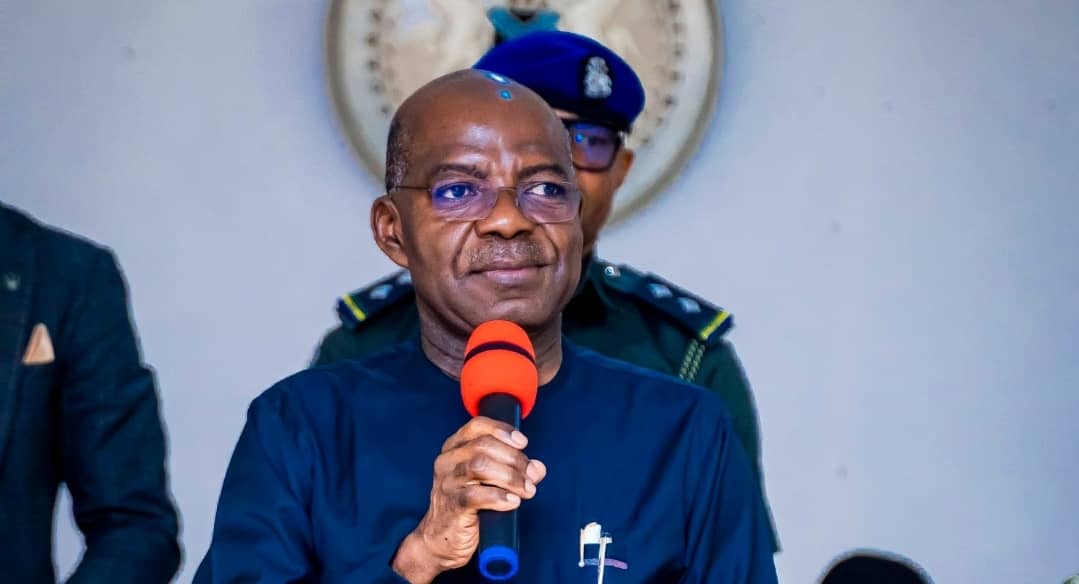
The Abia State Government has taken a major step in addressing cases of sexual and domestic violence, as Governor Alex Otti on Monday signed into law a bill establishing a rehabilitation center for survivors of rape, defilement, domestic violence, and human trafficking.
The new law, known as the Abia State Centre for the Rehabilitation of Survivors of Rape, Defilement, Domestic Violence and Human Trafficking Law, 2026, was signed at the Government House in Umuahia. It is expected to provide structured care, support, and recovery services for victims of various forms of abuse in the state.
The move comes at a time when cases of gender-based violence continue to draw national concern in Nigeria. Across the country, rights groups and government agencies have repeatedly called for stronger laws, better protection systems, and more support for victims.
Speaking during the signing ceremony, Governor Otti commended the Abia State House of Assembly for what he described as the speedy passage of the bill. He said the lawmakers handled the process in record time due to the importance of the subject matter.
He also praised key stakeholders who contributed to the creation of the law, including his wife, Mrs Priscilla Otti, and commissioners in charge of Women Affairs and Social Protection.
According to him, the idea behind the law was driven by the need to provide structured support for survivors of abuse who often suffer long-term physical, emotional, and psychological trauma.
“I want to thank the House of Assembly for giving this bill an expedited hearing and for passing it in record time,” the governor said. “I would also like to salute Her Excellency for championing this bill.”
He further acknowledged the efforts of officials involved in social welfare programs, saying their input helped shape the policy direction of the legislation.
The new law is expected to lead to the establishment of rehabilitation centres where survivors of rape, domestic violence, defilement, and human trafficking will receive care.
These centres will likely offer counselling, medical attention, psychological support, legal aid, and reintegration programs for victims trying to rebuild their lives.
In Nigeria, many survivors of such abuses often face stigma, lack of support, and in some cases, inadequate access to justice. Advocacy groups have long argued that beyond arrest and prosecution of offenders, there is a need for structured rehabilitation systems for victims.
Governor Otti, however, stressed that while the state may set up more centers, long-term solutions must also focus on changing behaviour in society.
He said there is a need for what he described as “re-orientation” to address the root causes of violence.
“While we were going to set up a few more centers, it is my conviction that the real issue is about re-orientation,” he said.
The governor also noted that crimes such as rape, child abuse, and human trafficking go against traditional Igbo cultural values, where such acts were strongly condemned.
He added that his administration is also working to create more job opportunities for young people as part of efforts to reduce crime and keep youths productively engaged.
Presenting the bill for assent, the Speaker of the Abia State House of Assembly, Emmanuel Emeruwa, said the legislation passed through due process and was given accelerated attention because of its importance.
He explained that the subject of the bill, which deals with victims of sexual and domestic violence, made it necessary for lawmakers to treat it with urgency.
“This bill deals with the rehabilitation of victims of rape and other violence, and this is why it received very speedy passage,” Emeruwa said.
The Speaker added that he was proud to be part of the process that led to the passage of the law, describing it as a positive development for the state.
“So I am very proud to be associated with this passage, so that something very positive will be started in our state,” he said.
The wife of the governor, Mrs Priscilla Otti, who initiated the bill, expressed happiness that the proposal has now become law.
She said the new legislation represents hope for women and girls who have suffered abuse, adding that it will help them access the support they need to recover and move forward with their lives.
“I am very elated for this coming to fruition,” she said. “This bill gives hope to our women and girls and a hope that not only would they get support, but they would also be rehabilitated and given the support they need to move forward.”
She also thanked the State House of Assembly and other stakeholders who supported the initiative from the beginning.
Across Nigeria, cases of sexual and gender-based violence have remained a serious concern. Reports from civil society groups show that many incidents go unreported due to fear, stigma, or lack of trust in the justice system.
In recent years, both federal and state governments have introduced laws and programmes aimed at addressing the issue. However, experts say implementation remains a major challenge.
The Abia State initiative is seen as part of ongoing efforts by sub-national governments to take stronger action at the local level.
With the signing of the law, Abia State has joined the list of states taking structured steps to provide rehabilitation for victims of abuse and trafficking.
Stakeholders say the success of the initiative will depend on funding, proper management of the centers, and coordination between government agencies, law enforcement, and social welfare organisations.