
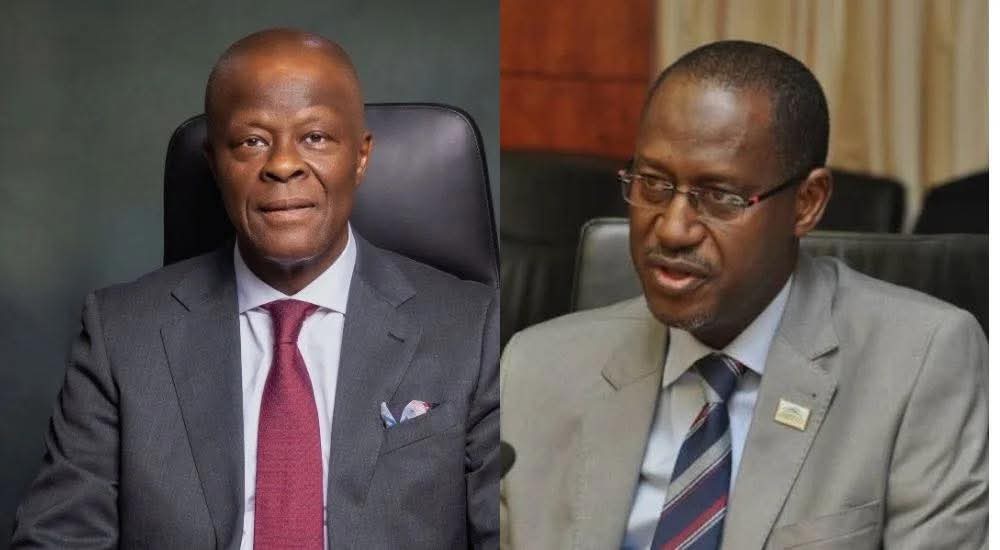
The Presidency has clarified that former Minister of Finance, Wale Edun, was not sacked from office but voluntarily resigned due to health concerns.
The clarification comes amid earlier reports suggesting that Edun was removed as part of a cabinet reshuffle announced by the Federal Government.
In a statement issued on Wednesday, presidential spokesperson Bayo Onanuga said both Edun and former Minister of Housing and Urban Development, Musa Dangiwa, stepped down from their roles in the Federal Executive Council (FEC).
According to the statement, Edun’s resignation was linked to recent health challenges, while Dangiwa also chose to leave office and expressed appreciation to President Bola Ahmed Tinubu for the opportunity to serve.
Onanuga explained that Edun, who turned 70 on Monday, formally submitted his resignation letter on his birthday. In the letter, he thanked the President for giving him the chance to contribute to national service.
He added that before the official announcement of changes in the cabinet, Edun paid a final visit to the President at the State House in Abuja. During the visit, he reportedly held a private meeting with Tinubu that lasted about an hour.
After the meeting, Edun left to focus on his personal business interests, bringing his time in government to an end.
The Presidency’s statement was aimed at correcting the earlier impression created by a separate announcement from the Office of the Secretary to the Government of the Federation (SGF).
On Tuesday, the SGF’s office had indicated that the President had relieved Edun of his duties as Minister of Finance and appointed Taiwo Oyedele as his replacement. Oyedele, who had recently been serving as Minister of State for Finance, was elevated to take over the position.
The same announcement also revealed that Muttaqha Rabe Darma had been appointed as the new Minister-designate for Housing and Urban Development, replacing Dangiwa.
However, the Presidency has now made it clear that these changes were not the result of sackings, but rather the outcome of voluntary resignations by the affected ministers.
The development highlights the ongoing adjustments within the current administration as it seeks to manage governance and respond to emerging challenges.
Edun, a respected economist and investment banker, played a key role in shaping Nigeria’s financial and economic policies during his time in office. His tenure came at a critical period when the country has been dealing with issues such as inflation, exchange rate instability, and efforts to increase government revenue.
Since assuming office in 2023, the Tinubu administration has introduced several economic reforms aimed at stabilising the economy and attracting investment. These include changes in the foreign exchange system, efforts to boost tax collection, and moves to reduce dependence on oil revenue.
As Minister of Finance, Edun was at the centre of many of these policies. His exit, therefore, comes at a time when the government is still working to address economic pressures affecting businesses and households.
Similarly, Dangiwa’s departure from the Ministry of Housing and Urban Development marks another change in a key sector. The housing sector remains important for economic growth, job creation, and improving living conditions for Nigerians.
The appointment of new officials to these positions is expected to ensure continuity in government policies and programmes.
In this case, the Presidency’s clarification aims to reassure the public that the changes were orderly and based on personal decisions rather than disciplinary action.
For many Nigerians, the focus will now shift to how the new appointees perform in their roles. There are expectations that the new Minister of Finance will continue efforts to stabilise the economy and manage public finances effectively.
There are also expectations that the incoming Housing Minister will address challenges such as the high cost of housing, urban development issues, and the need for affordable homes across the country.
The Federal Executive Council remains the highest decision-making body of the executive arm of government, and its members play a crucial role in shaping policies that affect the daily lives of citizens.
Changes within the council, therefore, often attract public attention, especially when they involve key ministries like finance and housing.
The Presidency’s statement has helped to clear doubts surrounding the recent developments, confirming that both Edun and Dangiwa exited the cabinet on their own terms.
As the administration moves forward, attention will remain on its ability to maintain stability and deliver on its promises, particularly in the areas of economic management and infrastructure development.