
Today marks the observance of World Malaria Day, a day set aside to raise awareness about one of the world’s most persistent and deadly diseases. This year’s theme carries a strong message: “Driven to End Malaria. Now We Can. Now We Must.”
The message reflects both hope and urgency, as health experts say the world has the tools to reduce malaria significantly, but many countries must now increase their efforts to achieve lasting results.
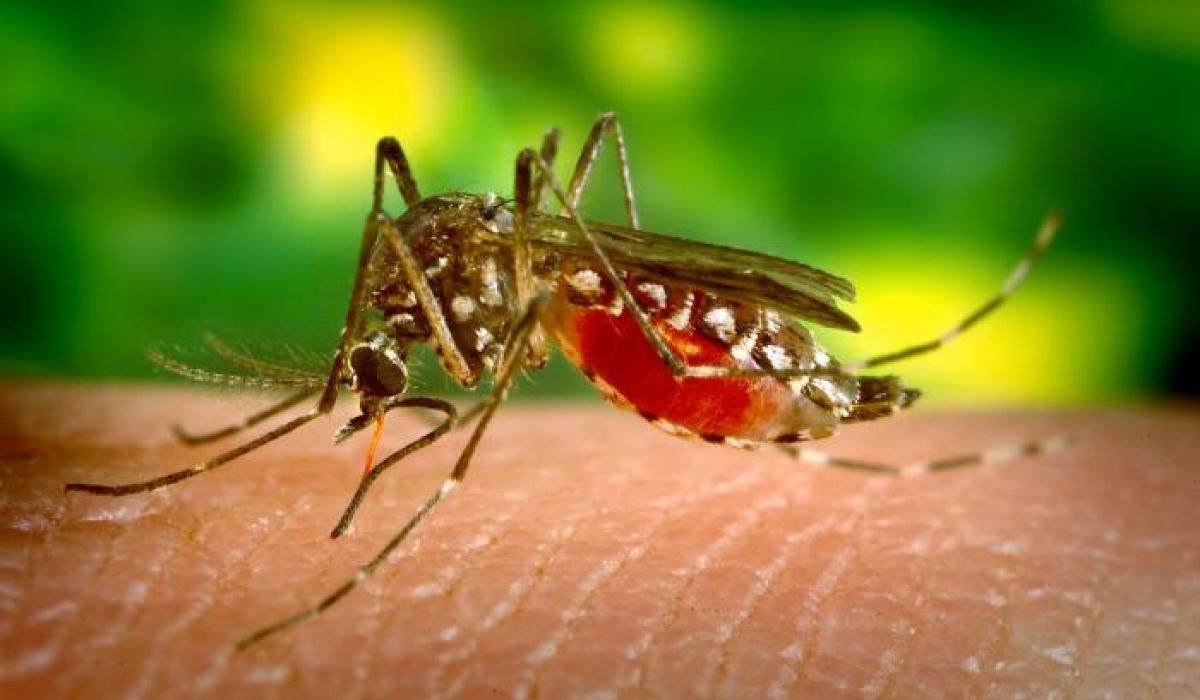
Malaria is a serious illness caused by parasites transmitted through the bite of infected mosquitoes. It remains one of the leading causes of illness and death in many tropical and subtropical countries, especially in Africa.
The disease is preventable and treatable, yet it continues to affect millions of people every year. Children under five years old and pregnant women are among the most vulnerable groups.
In Nigeria, malaria remains a major public health challenge. The country records one of the highest malaria cases globally, with hospitals and clinics treating millions of cases annually. The disease also places a heavy burden on families, health facilities, and the national economy.
Many Nigerians are familiar with malaria symptoms such as fever, chills, headache, and body weakness. In many communities, it is often treated as a common illness, but health experts warn that it can become life-threatening if not properly treated.
Over the years, Nigeria has introduced several measures to fight malaria. These include distribution of insecticide-treated mosquito nets, indoor spraying of insecticides, improved access to testing, and the use of effective antimalarial drugs.
Despite these efforts, challenges remain. Poor drainage systems, stagnant water, and lack of proper sanitation in some areas continue to create breeding grounds for mosquitoes. In rural communities, access to healthcare and prevention tools is still limited.
Globally, health organisations such as the World Health Organization (WHO) have led campaigns to reduce malaria cases and deaths. These efforts include supporting vaccine development, improving diagnosis, and promoting preventive measures.
In recent years, there has been progress in malaria control, including the introduction of malaria vaccines in some countries. However, experts say the progress is not fast enough to meet global targets for elimination.
This year’s World Malaria Day message highlights both the achievements made so far and the urgent need to do more. The slogan “Now We Can. Now We Must.” reflects the belief that the tools to fight malaria already exist, but stronger political will and investment are needed.
In Nigeria, government agencies continue to work with international partners to reduce malaria cases. Campaigns are regularly carried out to distribute mosquito nets and educate people on how to prevent mosquito bites.
However, experts say more needs to be done at the community level. Many households still do not consistently use mosquito nets, while some people delay seeking medical treatment, relying instead on self-medication.
Public health officials also stress the importance of environmental cleanliness. They say clearing bushes, draining stagnant water, and proper waste disposal can significantly reduce mosquito breeding.
Malaria also has a major economic impact. Families spend a large portion of their income on treatment, while workers and students often miss days of productivity due to illness. This contributes to reduced economic output and increased poverty in affected communities.
Across Africa, malaria continues to be a leading cause of death, especially among young children. The continent accounts for the majority of global malaria cases and deaths, making it a central focus of international health efforts.
Despite these challenges, there is growing optimism that malaria can be eliminated in the future. Advances in science, improved funding, and stronger global cooperation are helping to push efforts forward.
As countries mark World Malaria Day 2026, health leaders are calling for renewed commitment from governments, private organisations, and communities. They say everyone has a role to play in ending the disease.
In Nigeria, health authorities are expected to use the occasion to strengthen awareness campaigns and encourage more people to take preventive steps. Schools, community leaders, and health workers are often involved in spreading information about malaria prevention.
Parents are also advised to ensure that children sleep under treated mosquito nets and to seek medical attention quickly when symptoms appear. Early treatment remains one of the most effective ways to prevent severe illness and death.
The fight against malaria is also linked to broader development goals, including improved housing, clean water, and better sanitation. Experts say addressing these issues will help reduce mosquito populations and improve overall health outcomes.
As the world reflects on this year’s theme, the message is clear: malaria is preventable, and with the right actions, it can be eliminated.
However, achieving this goal will require continued investment, stronger health systems, and commitment from all levels of society.
For now, World Malaria Day 2026 serves as both a reminder of how far the world has come and a call to action to finish the job. The hope is that with sustained effort, future generations will live in a world free from malaria.