
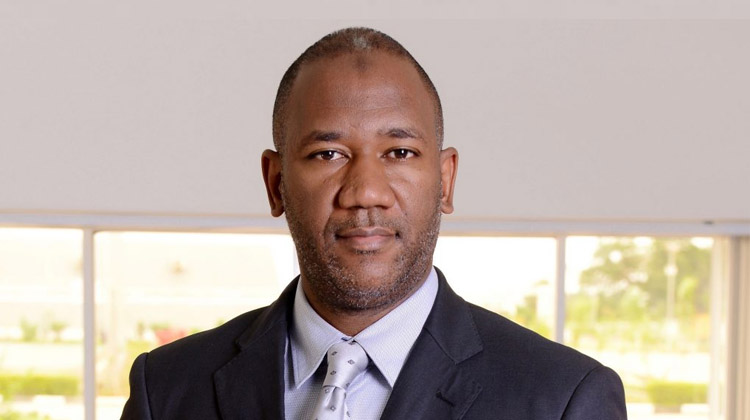
The 2023 vice-presidential candidate of the Labour Party, Yusuf Datti Baba-Ahmed, has announced plans to leave the party and join the Peoples Redemption Party (PRP), citing internal disagreements and a loss of direction within the Labour Party.
Baba-Ahmed made the announcement on Tuesday during an interview on Politics Today, a current affairs programme on Channels Television. His decision is expected to take effect at midnight on Wednesday.
The politician, who ran alongside Peter Obi in the 2023 presidential election, said the Labour Party has changed from what it once stood for, adding that the internal situation in the party has made it difficult for him to remain.
“I am leaving the Labour Party tomorrow. There is more to it,” he said during the interview. “What the Labour Party stood for then is no longer what it is today.”
Baba-Ahmed pointed to internal disputes and decisions within the party leadership as part of the reasons for his exit. He alleged that certain actions were taken that made the political environment uncomfortable for him, especially regarding the redeployment of an individual he claimed had a history of causing difficulties.
Although he did not go into full details, his remarks suggest ongoing tensions within the party, which has faced leadership and structural challenges since the 2023 general elections.
The Labour Party rose to national prominence during the last election cycle, largely driven by a wave of youth support and public dissatisfaction with the two major parties — the All Progressives Congress (APC) and the Peoples Democratic Party (PDP). The Obi-Datti ticket gained significant attention and finished third in the presidential race, marking a major shift in Nigeria’s political landscape.
However, since the elections, the party has struggled with internal crises, including disputes over leadership positions, court cases, and disagreements among key members. Observers say these issues have weakened the party’s unity and raised questions about its readiness for future elections, especially ahead of 2027.
Baba-Ahmed’s decision to leave is seen as a major blow to the Labour Party, given his prominent role during the last election. His departure may also signal deeper divisions within the party as it prepares for the next political cycle.
Confirming his next move, Baba-Ahmed said he would be joining the Peoples Redemption Party, describing it as a party with a long history and strong ideological foundation.
“I am leaving the Labour Party at midnight, and I am joining PRP. PRP is the new destination,” he said. “PRP is the one with a history. It’s about 75 years old.”
The PRP is one of Nigeria’s older political parties, with roots tracing back to the political movement led by the late Aminu Kano, a prominent advocate for the rights of the poor and a key figure in Nigeria’s First and Second Republics. The party is known for its focus on social justice and pro-people policies, although it has not been a major force in recent national elections.
In Nigeria’s political system, party defections are common, especially as elections approach. Politicians often switch parties in search of better opportunities, stronger platforms, or alignment with their personal beliefs.
However, such moves can also affect voter confidence, as many Nigerians have expressed concerns about the lack of ideological consistency among political actors.
For Baba-Ahmed, the decision marks a new chapter in his political career. Before joining the Labour Party, he had been associated with other political movements and has built a reputation as an outspoken figure on governance and national issues.
As the countdown to the 2027 general elections begins, his next steps within the PRP will be closely watched. It remains to be seen whether his move will strengthen the party and reshape political alliances or further highlight the divisions within Nigeria’s opposition space.
Meanwhile, the Labour Party has yet to issue an official response to his announcement. Party supporters and stakeholders are expected to react in the coming days as the implications of his departure become clearer.
With Nigeria’s political scene already showing signs of early realignment ahead of 2027, Baba-Ahmed’s defection adds another layer of uncertainty and signals that more changes may be on the way.