
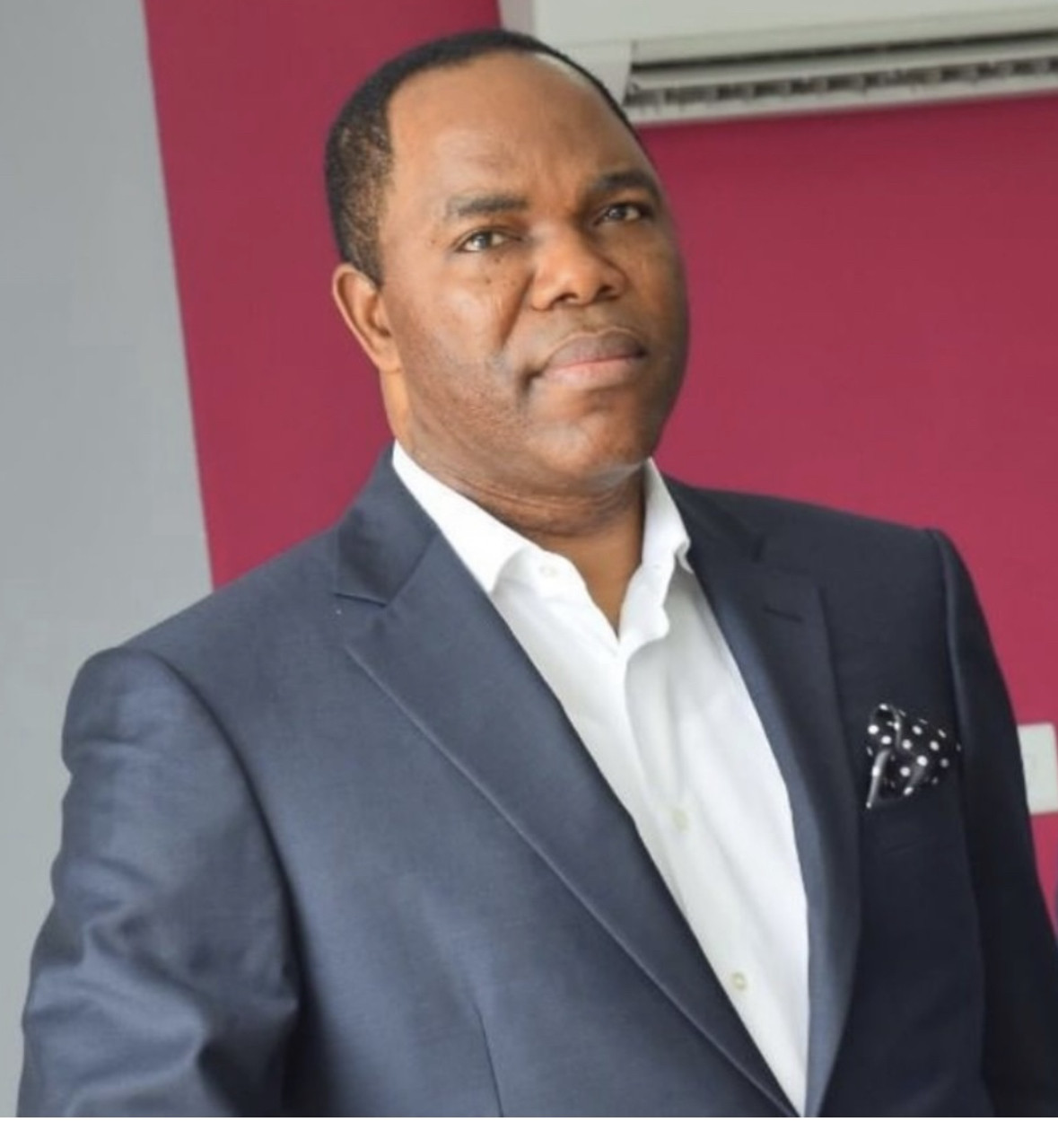
The Economic and Financial Crimes Commission has arraigned a former Chairman of the defunct Skye Bank Plc, Tunde Ayeni, before a Federal Capital Territory High Court in Apo, Abuja, over an alleged fraud involving N15.6 billion.
Ayeni was brought before the court on Monday on a 17-count charge bordering on criminal breach of trust, misappropriation, and conversion of investors’ funds. The anti-graft agency accused him of diverting a total sum of N15,665,085,429 while serving as chairman of the bank in 2014.
The charges were filed at the High Court presided over by Justice Jude Onwuzuruike. According to the EFCC, the alleged offences were committed within a short period in 2014, when Ayeni had control over depositors’ funds held in the bank’s accounts.
During the court session, the prosecution counsel, E.E. Iheanacho, SAN, informed the court that the agency was ready to proceed with the trial. He requested that the charges, dated April 28, 2026, be read to the defendant.
After the charges were read, Ayeni pleaded not guilty to all 17 counts.
Following his plea, the prosecution asked the court to remand him in a correctional facility pending the hearing of the case. However, his defence counsel, Ahmed Raji Bashir, SAN, opposed the request. He argued that the charges were served on a public holiday and asked the court to grant his client bail or release him to his legal team.
After listening to both sides, Justice Onwuzuruike adjourned the matter to May 13, 2026, for the hearing of the bail application. The judge also ordered that Ayeni be remanded at the Kuje Correctional Centre until a decision is made on his bail request.
Details of the charges presented in court show that the EFCC is accusing Ayeni of mismanaging and transferring large sums of money belonging to depositors in violation of banking rules and regulations.
One of the charges alleges that Ayeni, while serving as chairman between October 21 and November 19, 2014, dishonestly transferred over N3.2 billion from the bank’s suspense account into accounts belonging to a company known as Misa Limited. The EFCC said the transfers were carried out in breach of financial guidelines and constituted criminal misuse of funds.
Another charge claims that on November 27, 2014, Ayeni allegedly transferred over N5 billion from the same bank account into an account belonging to Union Registrar Limited. The prosecution argued that this action also violated banking regulations and amounted to criminal breach of trust.
The EFCC said these transactions were part of a larger pattern involving the alleged diversion of funds totaling more than N15.6 billion.
The case has drawn attention because of Ayeni’s former position as chairman of Skye Bank, one of Nigeria’s prominent financial institutions before its collapse. The bank was later taken over by regulators due to financial difficulties and governance issues, leading to the creation of Polaris Bank.
The EFCC, which is responsible for investigating and prosecuting financial crimes in Nigeria, has continued to pursue cases involving high-profile individuals as part of efforts to strengthen transparency and accountability.
The case also brings back memories of the banking crisis that affected Nigeria’s financial sector in the past decade. During that period, several banks faced challenges linked to poor management, bad loans, and weak regulatory compliance.
Regulatory bodies such as the Central Bank of Nigeria later introduced stricter rules to improve oversight and prevent a repeat of such incidents. These measures included tighter supervision of bank executives and stronger enforcement of financial regulations.
For many Nigerians, cases like this raise questions about how financial institutions are managed and how depositors’ funds are protected. Customers often rely on banks to safeguard their money, making accountability in the sector a key public concern.
The arraignment of Ayeni is seen as part of broader efforts by authorities to address past issues in the banking industry and ensure that individuals found to have misused public or private funds are held responsible.
As the case moves forward, attention will shift to the next hearing, where the court will decide whether Ayeni should be granted bail. Legal analysts note that the outcome of the bail application could influence the pace and direction of the trial.
Meanwhile, the EFCC is expected to present evidence and call witnesses to support its claims during the trial. The defence team is also likely to challenge the allegations and present its own arguments in court.
The proceedings are expected to continue to attract public interest, given the size of the alleged fraud and the status of the defendant.
For now, Ayeni remains in custody at the Kuje Correctional Centre, awaiting the court’s decision on his bail application as the legal process continues.