
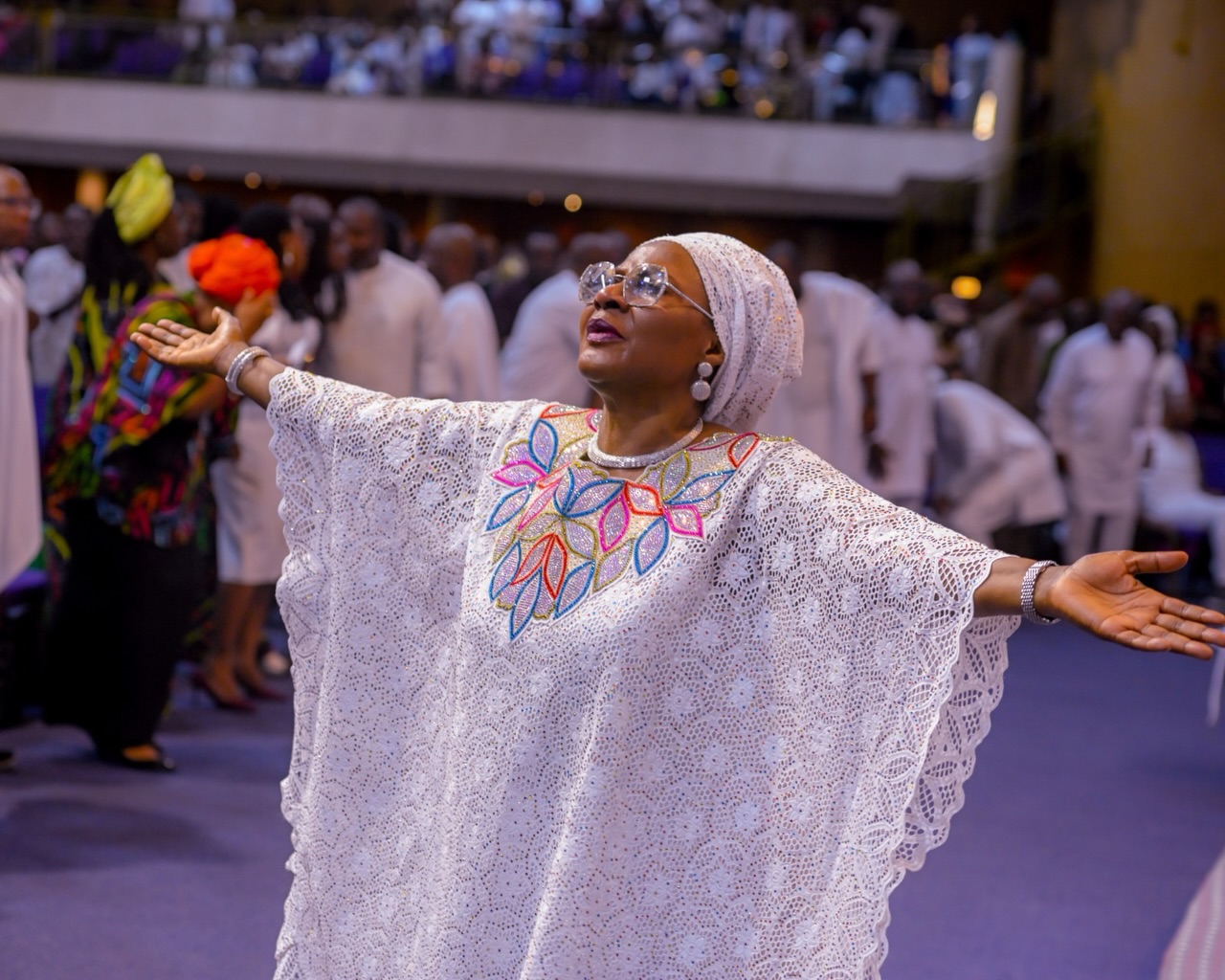
The Senior Pastor of Family Worship Centre, Sarah Omakwu, has made an emotional appeal to the Minister of the Federal Capital Territory, Nyesom Wike, urging him not to allocate the popular Jabi Lake recreation area for private development.
In a video shared on her Instagram page on Sunday, the cleric was seen kneeling on the pulpit as she spoke directly to the minister, pleading that the land be preserved for public use.
“I cannot fight the minister of the FCT. I cannot. But I go on my knees as a mother in this land that Jabi Lake Recreation Centre should not be given to anybody,” she said.
Her appeal has since drawn attention from residents of Abuja and beyond, many of whom see the Jabi Lake area as one of the few open public spaces available for relaxation and social activities in the city.
The Jabi Lake Recreation Centre, located around Jabi Lake, is widely known as a gathering point for families, young people, and small business owners. The area hosts a range of activities, including exercise, informal trading, social events, and leisure outings.
Omakwu, in her message, highlighted the importance of the space to everyday life in Abuja. She described it as a place where people go to relax, meet friends, exercise, and even celebrate important life events.
“That is where people go for exercise. That is where people sell. That is where people meet and interact and even get married,” she said. “That is where young people go to. I beg you, Mr Minister, in the name of God, do not sell that land to anybody.”
The pastor also raised concerns about the gradual loss of public spaces in the Federal Capital Territory over the years. She referred to past developments around Aso Rock, where public access has become more restricted.
According to her, such experiences have made many residents worried that Jabi Lake could follow a similar path if handed over to private developers.
“I can’t fight you. But I can beg you in the name of God Almighty that that land be left for everybody,” she said again, stressing the need to protect spaces that serve the general public.
Despite her strong appeal, Omakwu acknowledged ongoing infrastructure improvements under Wike’s leadership. She commended the minister for road construction and other projects that have improved movement within Abuja.
“I want to thank you for all the highways you have built around the city. You have made my journey to my home a whole lot easier,” she said. “But for this piece of land, I beg you, let it go.”
Her comments come amid plans by the Federal Capital Territory Administration (FCTA) to redevelop the Jabi Lake area as part of efforts to boost tourism and economic activity in the city.
In February, the FCTA, under Wike, signed agreements with private firms, including Suburban Broadband Limited and Akida Hills Limited, to transform the area into a modern recreational hub.
The minister had explained at the time that the initiative was aimed at repositioning Abuja as a top destination for leisure and investment, while also creating jobs and improving facilities.
Urban development experts say such partnerships are common in growing cities, where governments work with private investors to upgrade infrastructure and attract visitors. However, they also note that balancing development with public access remains a key challenge.
In Abuja, concerns about land use and allocation are not new. The city, designed as Nigeria’s capital in the late 20th century, was planned with green areas and open spaces to support a high quality of life. Over time, however, rapid population growth and increasing demand for land have put pressure on these spaces.
Many residents now worry that continued commercial development could reduce access to affordable recreational areas, especially for low- and middle-income earners.
Public reactions to Omakwu’s appeal have been mixed. While some residents support the call to preserve Jabi Lake as a public space, others believe that proper development could improve the area and bring economic benefits.
For small business owners who operate around the lake, the issue is particularly important. Many depend on daily activities at the site for their livelihood and fear that redevelopment could affect their income.
As of the time of this report, the FCT Administration has not issued a fresh response to the pastor’s appeal. However, officials have previously maintained that development plans for the area are intended to benefit the public while improving infrastructure.
The situation highlights a broader debate facing many Nigerian cities: how to balance modern development with the need to preserve shared spaces for community life.
For now, Omakwu’s public plea has added a human voice to that debate, drawing attention to the value of open spaces in a fast-growing city like Abuja.
Whether her appeal will influence government decisions remains to be seen. But her message has clearly resonated with many residents who see Jabi Lake not just as land, but as a vital part of daily life in the nation’s capital.