
Human rights activist and former presidential candidate, Omoyele Sowore, has criticised the arrest and imprisonment of a social media user accused of posting offensive content about the daughter of Nigerian music stars, Adekunle Gold and Simi.
The incident has triggered fresh debate across Nigeria over freedom of expression, cybercrime laws and the growing use of law enforcement agencies in handling online disputes involving celebrities and influential figures.
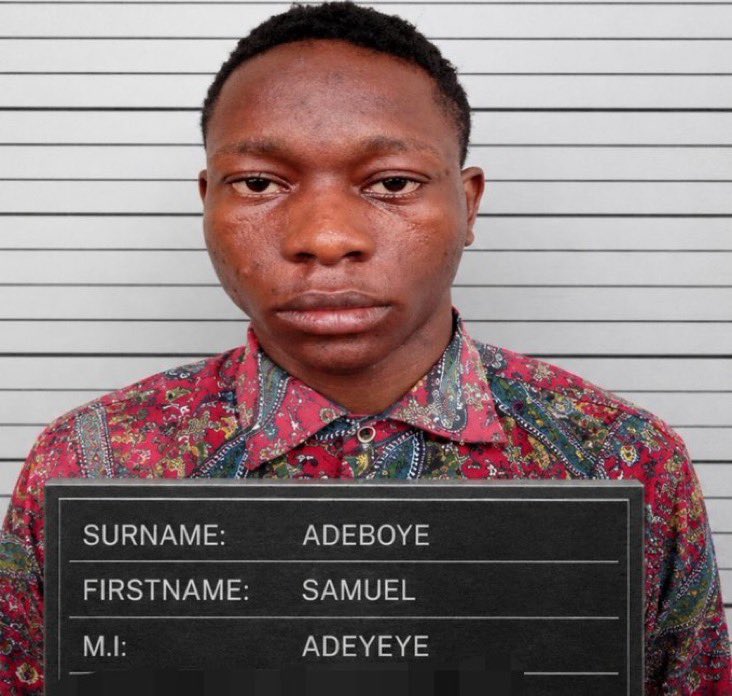
The controversy began after reports emerged that a social media troll who allegedly shared malicious content on X, formerly known as Twitter, about Adekunle Gold and Simi’s daughter was arrested, prosecuted and sentenced to two years imprisonment without the option of a fine.
While some social media users defended the action, arguing that children should be protected from online harassment and cyberbullying, others questioned whether a prison sentence was too harsh for comments made on social media.
Reacting to the development, Sowore accused the Nigeria Police Force of acting like a “private army” for wealthy and influential Nigerians.
In a strongly worded statement shared online, the activist referenced an old social media post made by Adekunle Gold in 2012 during the administration of former President Goodluck Jonathan.
According to Sowore, Adekunle Gold had openly criticised Jonathan at the time without facing arrest or prosecution.
“This was Adekunle Gold in 2012 openly criticizing then President Goodluck Jonathan,” Sowore wrote.
He then quoted the old post, which read: “Dear God, if you give us Dagrin back, we’ll give you Jonathan in return.”
Sowore argued that such comments were regarded as free speech at the time and that many Nigerians, including activists, would have protested if the singer had been arrested over the statement.
“Back then, it was rightly called free speech, and if he had been arrested for those tweets, we would have been on the streets demanding his immediate release,” he stated.
The activist questioned why influential individuals who once benefited from freedom of expression now support the use of police and cybercrime laws against ordinary Nigerians over online comments and social media arguments.
“How then does someone who benefited from freedom of expression turn around years later to use the police, courts, and the brutal cybercrime framework against ordinary Nigerians over online banter and social media exchanges?” he asked.
Sowore maintained that freedom of expression should apply equally to everyone regardless of status, influence or wealth.
“You cannot enjoy free speech when you are powerless and criminalize it the moment you become influential. Freedom of expression must apply to everyone, celebrities, politicians, activists, and poor young Nigerians on social media alike,” he added.
He also criticised the police and judiciary, accusing them of imposing excessive punishment for matters related to internet speech.
“The Nigeria Police Force must stop acting as a private army for the rich and famous, while the judiciary must stop handing down outrageous punishments over internet speech that should never be criminal matters in the first place,” Sowore said.
The controversy has once again brought attention to Nigeria’s Cybercrimes Act, a law that has repeatedly sparked criticism from civil society groups, lawyers and media organisations.
The Cybercrimes Act was introduced to tackle internet fraud, cyberstalking, identity theft and other digital crimes. However, critics argue that some sections of the law have been used to suppress free speech, intimidate journalists and target critics of powerful individuals.
Several activists and media groups have in the past raised concerns over the increasing arrests of social media users, bloggers and journalists accused of cyberstalking or defamation because of comments made online.
Human rights organisations have also called for reforms to the law to prevent abuse and protect citizens’ constitutional right to freedom of expression.
At the same time, supporters of stronger cybercrime enforcement argue that social media abuse has become widespread in Nigeria, with many public figures and private citizens facing online harassment, false accusations and attacks on their families.
Celebrities in particular have increasingly spoken out against cyberbullying and trolling, especially when such comments involve children or family members.
Although Adekunle Gold and Simi have not publicly responded to Sowore’s criticism at the time of filing this report, the couple have previously appealed to social media users to respect their privacy and avoid dragging their child into online discussions.
The debate surrounding the arrest has continued to dominate conversations on X and other social media platforms, with many Nigerians expressing concern about the balance between free speech and responsible online behaviour.
Others believe the growing influence of celebrities and politically connected individuals may be contributing to what they describe as unequal treatment under the law.
Sowore, a former presidential candidate of the African Action Congress, AAC, has remained one of the country’s most vocal critics of the government, security agencies and restrictions on civil liberties.
Over the years, he has faced arrests, detention and legal battles linked to protests and political activism, making him a strong advocate for freedom of expression and human rights.
The latest dispute has further intensified discussions about the role of the police, the courts and social media regulation in Nigeria, especially at a time when online platforms remain one of the main spaces for political criticism and public debate among young Nigerians.