
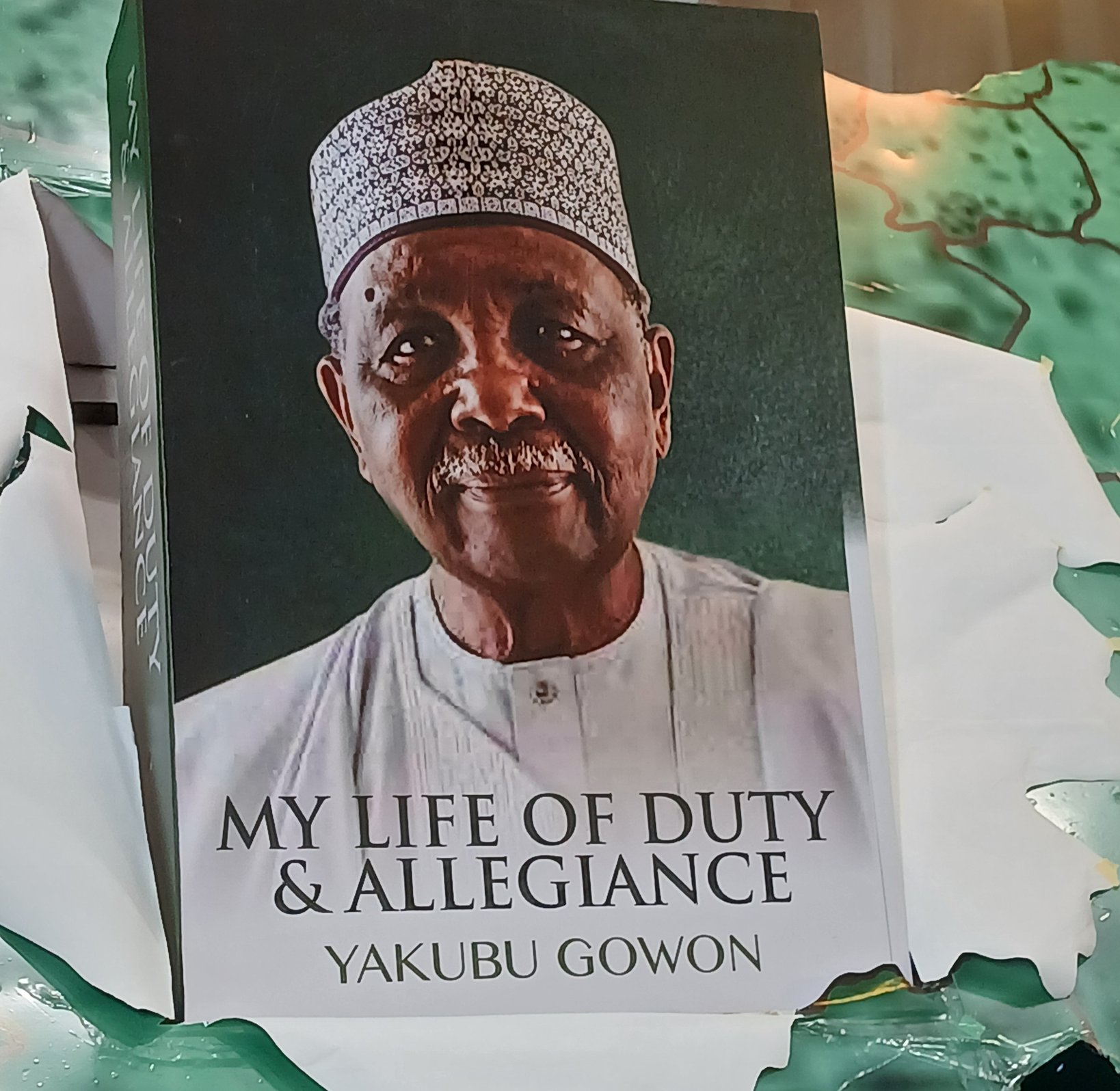
Former Head of State, Yakubu Gowon, received massive financial support running into billions of naira at the public presentation of his autobiography, as prominent Nigerians, business leaders and political figures donated generously in honour of the elder statesman.
The event, which attracted some of the country’s most influential personalities, turned into a major show of goodwill and appreciation for Gowon’s contributions to Nigeria’s history and national unity.
Leading the donations were retired military general and businessman, Theophilus Danjuma, and Africa’s richest businessman, Aliko Dangote, alongside several prominent figures who contributed huge sums in support of the former leader and the projects associated with the launch.
The donations reportedly exceeded ₦5 billion by the end of the programme, highlighting the level of respect and admiration many influential Nigerians still have for Gowon decades after his leadership.
The autobiography launch attracted politicians, military officers, traditional rulers, captains of industry, diplomats and other respected personalities from different parts of the country.
Many attendees described the occasion as more than just a book presentation, saying it became an opportunity to celebrate one of the country’s longest-serving leaders and reflect on Nigeria’s political journey.
Gowon, who ruled Nigeria between 1966 and 1975, remains a major historical figure because of his role during one of the country’s most difficult periods, especially the Nigerian Civil War between 1967 and 1970.
Following the war, Gowon introduced the famous reconciliation message of “No Victor, No Vanquished,” aimed at promoting healing and rebuilding national unity after years of conflict. Many Nigerians still remember his administration for efforts focused on reconstruction and national integration.
At the autobiography presentation, speakers praised Gowon for his commitment to peace, patriotism and national service. Several guests described him as a symbol of unity whose leadership during difficult times helped preserve Nigeria as one country.
During the fundraising session, donations reportedly came in quickly as leading personalities announced billions of naira in pledges.
General Danjuma was among the first major donors, reportedly making one of the largest contributions of the day. Dangote also announced a significant donation, reinforcing his long-standing reputation for supporting national causes and public-interest projects.
Other wealthy Nigerians and organisations followed with substantial pledges, contributing to the huge amount raised before the end of the event.
Observers noted that the fundraising atmosphere reflected not only support for Gowon but also respect for his legacy and contributions to national development.
The event also provided an opportunity for speakers to discuss Nigeria’s present challenges and the lessons younger generations could learn from past leaders.
Several personalities urged political leaders to place national interest above personal ambition and focus on policies that would unite the country.
Some speakers said Nigeria’s current social and economic difficulties require patriotism, sacrifice and cooperation among citizens and political leaders.
The autobiography itself reportedly contains reflections on Gowon’s life, leadership experiences, military career and the major decisions taken during his years in power.
Political historians believe such books are important because they help preserve historical records and provide first-hand accounts of events that shaped national history.
Nigeria’s political history has often generated debate, especially concerning military governments and their role in governance. As one of the country’s former military leaders, Gowon’s experiences are expected to attract attention from researchers, historians, students and political observers.
The event also highlighted Gowon’s continued influence despite being out of office for several decades.
Unlike some former leaders who remain heavily involved in partisan politics, Gowon has largely focused on peace-building efforts and national unity campaigns. Through various initiatives, he has frequently spoken on the need for tolerance, religious harmony and peaceful coexistence among Nigerians.
Many participants at the launch described him as one of the country’s elder statesmen whose voice still carries weight on national matters.
The presence of top political and business leaders at the programme further demonstrated the broad respect he commands across political, ethnic and religious lines.
The huge financial contributions made during the programme also sparked conversations in public spaces and on social media, with some Nigerians expressing admiration for the generosity shown, while others questioned why such large donations are often easier to raise for elite events than for public welfare causes.
Nevertheless, supporters of the fundraising argued that honouring national figures through donations and support is common in many societies and reflects appreciation for service and legacy.
For many Nigerians who witnessed Gowon’s era or studied his place in history, the autobiography launch represented a moment to reflect on the country’s past and future.
As Nigeria continues to face political, economic and security challenges, some speakers at the event stressed the importance of drawing lessons from leaders who navigated difficult periods in the country’s history.
The launch may have been centred on a book, but it also became a gathering focused on leadership, national memory and reflections on the path Nigeria has travelled since independence.
With billions raised and many influential personalities in attendance, the programme has already become one of the biggest public book launches involving a former Nigerian leader in recent years.
For Gowon, the event was not only a celebration of his autobiography but also a reminder that decades after leaving office, he still commands national attention and considerable goodwill from powerful voices across the country.