
The Federal Government has declared Wednesday, May 27, and Thursday, May 28, 2026, as public holidays to mark this year’s Eid-ul-Adha celebration.
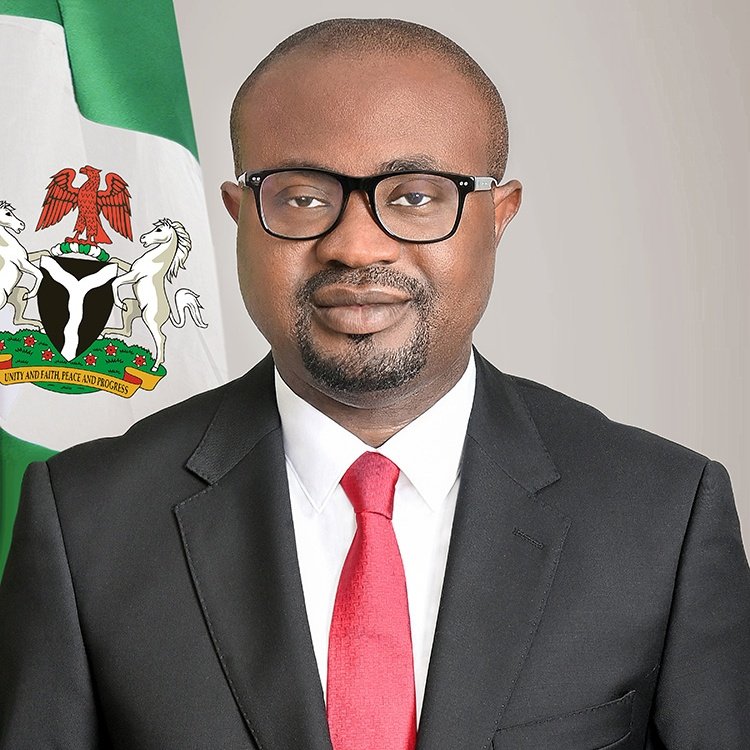
The announcement was made on Monday by the Minister of Interior, Olubunmi Tunji-Ojo, who congratulated Muslim faithful across the country and in the diaspora ahead of the important Islamic festival.
The declaration was contained in a statement signed by the Permanent Secretary of the Ministry of Interior, Magdalene Ajani.
According to the statement, the public holidays reflect the Federal Government’s recognition of the importance of Eid-ul-Adha and its respect for the faith and spiritual traditions of millions of Muslims in Nigeria and around the world.
The government described Eid-ul-Adha as one of the most important celebrations in Islam, noting that the festival symbolises sacrifice, obedience to God, compassion, and support for humanity.
Tunji-Ojo urged Nigerians to use the period for prayers, peaceful reflection, and renewed commitment to national unity as the country continues to face economic and security challenges.
“The Federal Government urges all Nigerians to use this period for prayer and sober reflection, asking for divine guidance upon the country as it continues its pursuit of peace, security, and prosperity for every citizen,” the statement said.
“It is in the spirit of brotherhood, shared humanity, and national unity that the Federal Government wishes all Muslims a peaceful, blessed, and joyous celebration.”
Eid-ul-Adha, also known as the Festival of Sacrifice, is celebrated by Muslims worldwide to honour the willingness of Prophet Ibrahim to sacrifice his son in obedience to God’s command before God provided a ram as a substitute.
The festival comes after the completion of the annual Hajj pilgrimage in Saudi Arabia and is usually marked with prayers, charity, family gatherings, and the slaughtering of animals such as rams, cows, and goats, which are shared among family members, neighbours, and the less privileged.
Across Nigeria, preparations for the celebration have already intensified in major cities and communities, with markets witnessing increased activities as residents buy food items, livestock, clothing, and other essentials for the festivities.
In many northern states, Eid celebrations are traditionally marked by colourful durbar processions involving emirs, horse riders, cultural displays, and visits by political leaders and dignitaries. Similar celebrations also take place in parts of the South-West and other regions with large Muslim populations.
However, economic difficulties and rising food prices have continued to shape public discussions ahead of this year’s celebration. Many Nigerians have expressed concerns over the high cost of rams and essential commodities, which may affect the scale of celebrations for some families.
Despite the economic situation, religious leaders across the country have urged Muslims to focus on the spiritual significance of the festival rather than material display. Islamic clerics have also called on wealthy individuals to support vulnerable families during the period.
The Federal Government’s message comes at a time when the country is battling insecurity in some parts of the nation, inflation, and concerns over the rising cost of living. Authorities have repeatedly called on citizens to remain hopeful and support ongoing efforts aimed at stabilising the economy and improving national security.
Transport companies are already recording increased passenger movement, especially on major routes connecting Abuja, Lagos, Kano, Kaduna, Ilorin, Ibadan, and other cities.
Security agencies are also expected to increase surveillance during the holiday period to ensure peaceful celebrations across the country. In previous festive periods, authorities deployed additional personnel to worship centres, highways, recreational centres, and other public places to prevent security breaches and traffic congestion.
Religious organisations have meanwhile continued to encourage peaceful coexistence among Nigerians, stressing the need for unity regardless of ethnic, political, or religious differences.
Nigeria, Africa’s most populous country, is home to millions of Muslims and Christians, with religious festivals often celebrated as national events that bring people together across different communities.
Public holidays declared for major religious celebrations have long been part of Nigeria’s national calendar and are usually observed across federal and state institutions, banks, schools, and many private organisations.
The declaration of the two-day holiday is expected to provide workers, students, and families enough time to participate fully in the Eid activities and spend time with loved ones.
As Muslims prepare for prayers and celebrations, many Nigerians are also hoping that the season will bring renewed peace, unity, and relief from the country’s social and economic challenges.
For many faithful, Eid-ul-Adha remains not just a celebration, but a reminder of sacrifice, patience, obedience, and compassion — values that religious leaders say are greatly needed in the country at this time.