
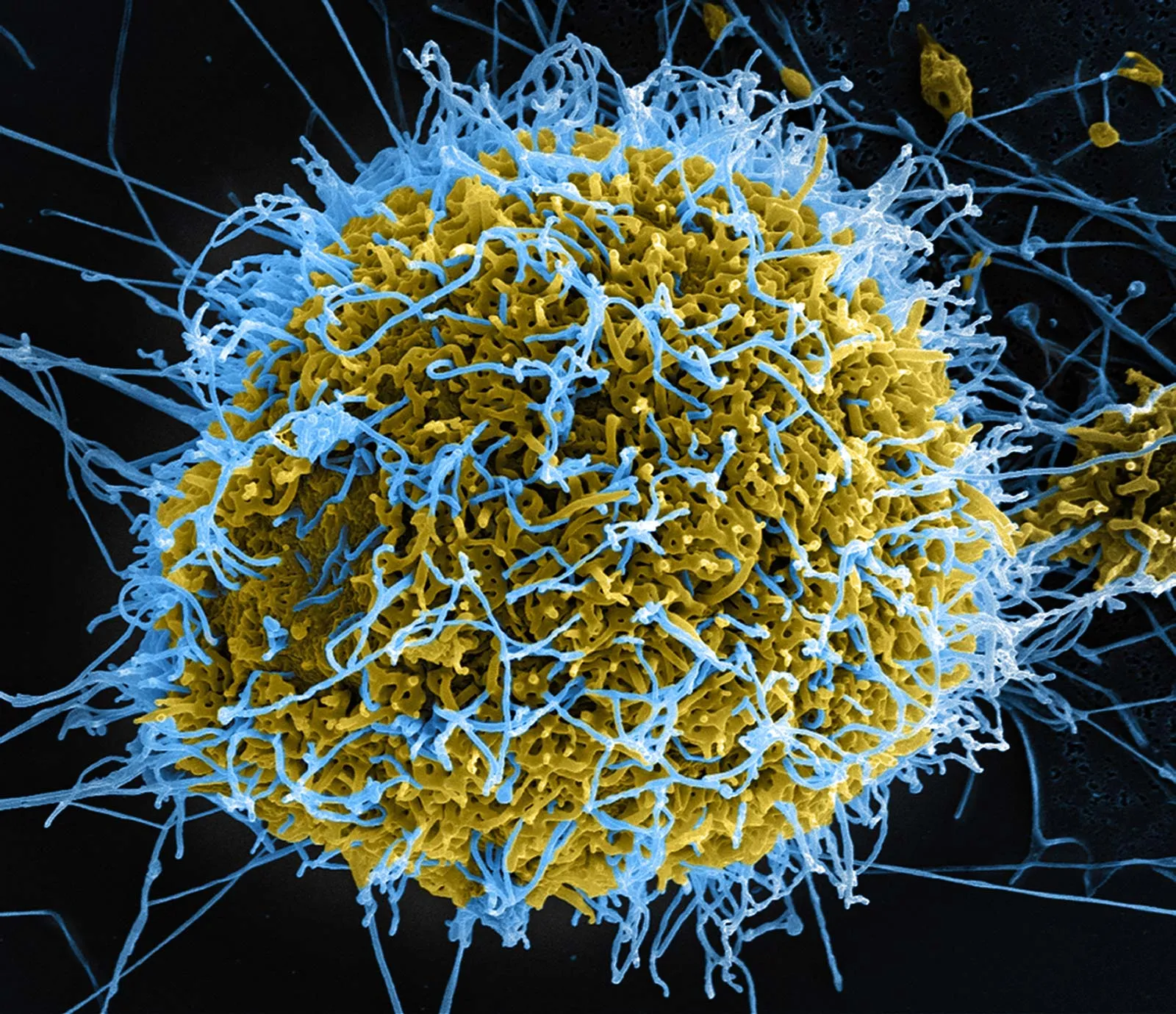
The National Orientation Agency (NOA) has called on residents of Benue State to remain alert and strictly observe preventive health measures following a nationwide Ebola Virus Disease warning issued by the Nigeria Centre for Disease Control and Prevention (NCDC).
The agency said although there is currently no confirmed case of Ebola in Nigeria, the country remains at risk because of increasing international travel and possible cross-border transmission of infectious diseases.
Benue State Director of the NOA, Mark Dewua, made the appeal while addressing residents on the need to stay informed and take precautionary steps to prevent any possible outbreak.
According to him, Ebola remains one of the world’s most dangerous viral diseases because of its high death rate and the speed at which it can spread when not properly contained.
“Ebola is a severe and often fatal illness spread through direct contact with the blood or body fluids of an infected person or animal,” Dewua said.
He explained that public awareness and early preventive action are important in protecting communities from the disease.
The NOA boss urged residents to pay close attention to possible symptoms associated with Ebola and seek immediate medical help if such signs appear.
He listed common symptoms to include sudden fever, severe weakness, headache, sore throat, muscle pain, vomiting, diarrhoea and unexplained bleeding.
According to him, quick reporting of suspected cases can help health authorities respond rapidly and prevent further spread.
Dewua also advised residents against self-medication and warned against relying on rumours or false information during health emergencies.
He encouraged members of the public to depend only on verified information from recognised health authorities such as the NCDC and the Ministry of Health.
As part of preventive measures, the NOA advised residents to maintain proper hygiene at all times.
The agency specifically encouraged regular handwashing with soap and clean water as well as the use of alcohol-based hand sanitisers.
Residents were also warned to avoid close physical contact with individuals showing symptoms linked to Ebola.
The agency further cautioned against handling blood, body fluids or personal belongings of suspected infected persons without proper protection.
Dewua also advised people to stay away from dead animals and bushmeat, which are often linked to the transmission of infectious diseases, including Ebola.
According to health experts, Ebola can spread through direct contact with infected blood, sweat, saliva, vomit and other body fluids.
The virus can also spread through contaminated surfaces and objects.
The disease was first identified in Central Africa in 1976 and has since caused several outbreaks across different African countries.
One of the deadliest Ebola outbreaks occurred in West Africa between 2014 and 2016, affecting countries such as Liberia, Sierra Leone and Guinea.
The outbreak killed thousands of people and created panic across the region, including in Nigeria.
Nigeria recorded its first Ebola case in July 2014 when a Liberian-American diplomat, Patrick Sawyer, arrived in Lagos carrying the virus.
The situation quickly raised fears of a major health crisis because of Lagos’ large population and busy international movement.
However, through aggressive contact tracing, public awareness campaigns and emergency response measures, Nigeria successfully contained the outbreak within a few months.
The World Health Organisation later praised Nigeria for its rapid response and effective handling of the crisis.
Since then, Nigerian health authorities have continued to strengthen disease surveillance systems and emergency response mechanisms to prevent future outbreaks.
The latest NCDC alert comes as health officials across Africa continue to monitor disease movements and emerging public health threats.
The NOA said public cooperation remains critical in preventing any possible outbreak in Benue State and other parts of the country.
The agency stressed that health officials cannot succeed without the support and vigilance of residents.
Dewua urged community leaders, religious organisations, schools and market associations to help spread accurate information about Ebola prevention.
He also encouraged parents to educate children on personal hygiene and safe health practices.
According to him, community awareness is one of the strongest tools in preventing disease outbreaks.
The NOA reiterated its commitment to supporting public health campaigns and sensitisation programmes across Benue State.
The agency assured residents that it would continue working closely with health authorities to ensure that people receive timely information and guidance.
Meanwhile, health experts have continued to advise Nigerians not to panic but to remain cautious and maintain healthy practices.
They say early detection, prompt reporting and public cooperation remain the best ways to prevent the spread of infectious diseases like Ebola.
For many residents, the latest warning has revived memories of the 2014 Ebola outbreak and highlighted the need for constant public health awareness in the country.
As concern grows over global disease threats, authorities are urging Nigerians to stay vigilant, maintain hygiene and report any suspected symptoms to the nearest health facility immediately.