
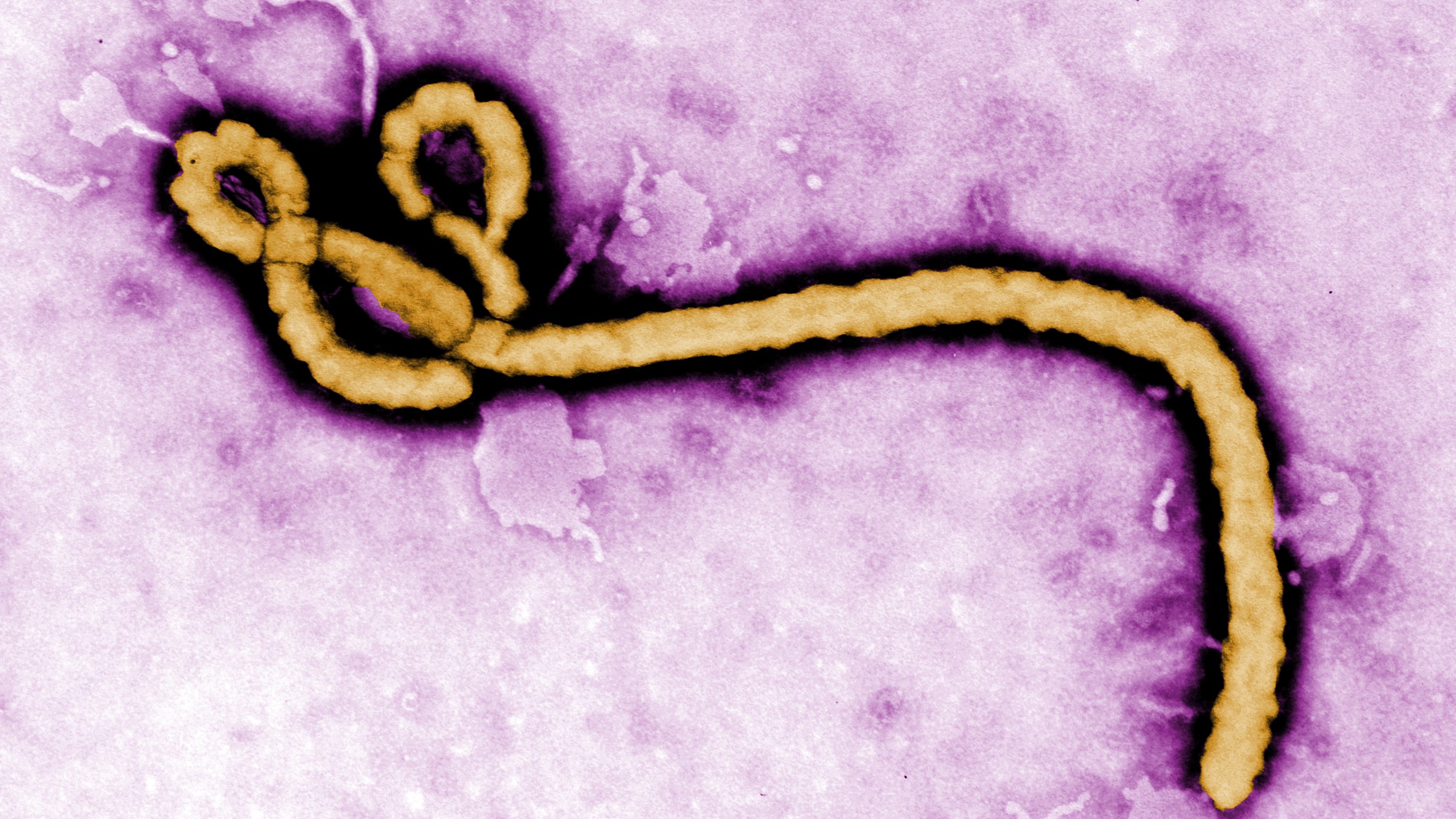
The Federal Government is considering fresh travel measures, including possible restrictions on flights from countries affected by the Ebola virus, as fears grow over the spread of the deadly disease in parts of Africa.
Top government officials disclosed this on Thursday after a high-level emergency meeting held in Victoria Island, Lagos, to review Nigeria’s preparedness against any possible Ebola outbreak.
The meeting was led by the Chief of Staff to the President, Femi Gbajabiamila, and attended by key health and security officials, including the Director-General of the Nigeria Centre for Disease Control and Prevention, Dr. Jide Idris; Minister of Interior, Olubunmi Tunji-Ojo; and Lagos State Commissioner for Health, Prof. Akin Abayomi.
Speaking after the meeting, Gbajabiamila said the Federal Government was determined to prevent another Ebola outbreak in Nigeria and would not hesitate to introduce stricter measures at airports and other entry points if necessary.
According to him, one of the major options being considered is restricting flights from countries currently battling Ebola outbreaks, especially the Democratic Republic of Congo and Uganda.
He said government officials also discussed isolating passengers showing signs or symptoms linked to Ebola immediately after arrival in Nigeria.
“We have a health scare, which is Ebola, and we all know what happened the last time,” Gbajabiamila said.
“The cases are getting worse internationally and worldwide, and we do not want to leave anything to chance.”
He explained that authorities were already reviewing different response strategies aimed at stopping the virus from entering Nigeria.
“There were three or four areas we looked at. We looked at the possibility of restricting flights from countries of interest. We looked at isolating passengers who may show symptoms of Ebola.
“We also discussed the use of cargo terminals or separate facilities to handle passengers arriving from those countries and putting proper protocols in place because prevention is better than cure,” he added.
Gbajabiamila disclosed that President Bola Tinubu had already been briefed on the Ebola situation in some African countries and had directed relevant agencies to strengthen surveillance and emergency response systems.
He assured Nigerians that the Federal Government was fully committed to protecting public health and preventing any spread of the virus into the country.
Nigeria recorded one of Africa’s most successful Ebola containment efforts in 2014 after an infected Liberian-American diplomat, Patrick Sawyer, arrived in Lagos through the Murtala Muhammed International Airport.
The virus later spread to a few persons, including healthcare workers, leading to several deaths. However, swift action by Nigerian health authorities, contact tracing, public awareness campaigns and isolation measures helped stop a wider outbreak.
The World Health Organisation later declared Nigeria Ebola-free after the country successfully contained the disease within months.
That experience remains fresh in the minds of many Nigerians, especially health officials, who fear that another outbreak could place serious pressure on the country’s already struggling healthcare system.
The Minister of Interior, Olubunmi Tunji-Ojo, said all entry points into Nigeria would now be placed under closer monitoring.
According to him, immigration officers would work together with health officials to ensure early detection of any suspected case.
Tunji-Ojo said the Nigeria Immigration Service would collaborate closely with the NCDC and other agencies to strengthen border surveillance and emergency response mechanisms.
“All our points of entry will be placed under strict monitoring. We are working with the NCDC to ensure early detection and quick response,” the minister said.
Symptoms usually include fever, weakness, vomiting, diarrhoea and bleeding in severe cases.
On his part, NCDC Director-General, Dr. Jide Idris, warned that Ebola remains a dangerous disease with no specific cure or widely available vaccine in many affected regions.
He said Nigeria was relying heavily on public health measures such as isolation, early detection, infection prevention and public awareness to stop any possible outbreak.
“This particular virus has no treatment and no vaccines. So public health measures are very important,” Idris said.
“These include isolation, quick detection, public enlightenment, infection prevention and control.”
He disclosed that preparedness plans had already been activated across all 36 states and the Federal Capital Territory.
According to him, health advisories had been sent out nationwide while awareness campaigns would soon be intensified to educate Nigerians on how to identify symptoms and avoid infection.
He added that healthcare workers remained among the most vulnerable groups because they are usually the first to come into contact with infected patients.
“We are speaking to healthcare workers because they are vulnerable. We are strengthening communication and preparedness across the country,” Idris explained.
The Lagos State Government also pledged its support for all federal measures aimed at preventing an outbreak.
The renewed concern over Ebola follows recent reports from the World Health Organisation showing a rise in cases in the Democratic Republic of Congo.
According to the WHO, at least 10 confirmed deaths and 223 suspected Ebola-related deaths have already been recorded since the outbreak was declared in mid-May.
The organisation also disclosed that more than 1,000 confirmed and suspected Ebola cases had been identified in the affected areas.
The WHO has continued to urge African countries to strengthen border checks, disease surveillance and emergency response systems to prevent cross-border transmission.
They advised Nigerians to maintain proper hygiene, avoid unnecessary contact with sick persons and report suspected symptoms quickly to health authorities.
For many Nigerians, memories of the COVID-19 pandemic and the 2014 Ebola outbreak have raised fears about how prepared the country is to handle another major health emergency.
However, government officials insist that lessons learnt from previous outbreaks have helped improve Nigeria’s disease surveillance and emergency response systems.
Gbajabiamila said the government would continue to review the situation closely and take further action whenever necessary.
“We will not leave anything to chance. Nigeria must remain prepared at all times,” he said.