
State governors across Nigeria are considering a proposal to raise the national minimum wage to N100,000 as the country continues to battle rising inflation and worsening economic hardship.
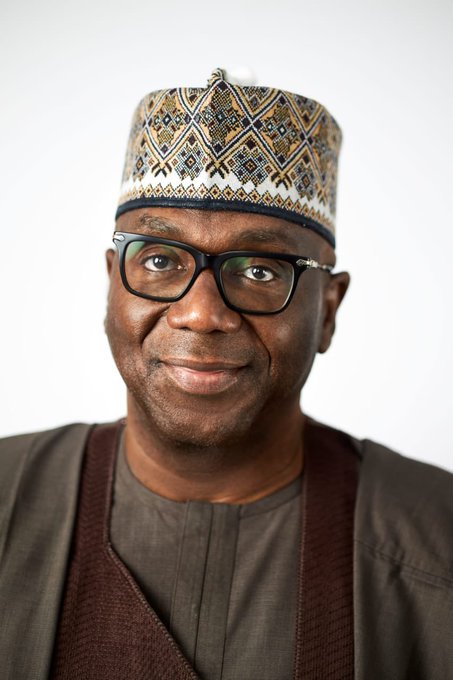
The Chairman of the Nigeria Governors’ Forum (NGF) and Governor of AbdulRahman AbdulRazaq, disclosed this in a statement shared on his Facebook page on Saturday. He said discussions were ongoing among state governments, the Federal Government and organised labour to arrive at a wage structure that reflects current economic realities while remaining sustainable for government finances.
According to AbdulRazaq, the move is being driven by growing concerns over the impact of inflation, high food prices, rising transportation costs and the increasing financial burden on Nigerian workers.
He said state governments recognise the need to improve workers’ welfare as many families struggle to cope with the sharp increase in the cost of living across the country.
“State governments recognise the urgent need to improve workers’ welfare in response to the current economic realities facing Nigerians,” the NGF chairman stated.
He explained that governors were engaging relevant stakeholders to ensure that any decision reached would strike a balance between improving workers’ earnings and protecting the financial stability of state governments.
“We are actively engaging with the Federal Government and organised labour to arrive at a wage structure that is fair to workers and sustainable for government finances,” he said.
The proposed increase comes less than two years after Nigeria adopted a new national minimum wage of N70,000. That wage was approved following lengthy negotiations between labour unions and government representatives amid widespread complaints about declining purchasing power and the impact of economic reforms on workers.
Despite the increase to N70,000, many workers have argued that their salaries have been quickly overtaken by inflation. The prices of food items, transportation, rent and essential services have continued to rise, leaving many households under financial pressure.
Labour leaders have repeatedly insisted that workers need a wage system that reflects current realities and enables them to maintain a reasonable standard of living. The Nigeria Labour Congress (NLC) has consistently argued that salaries should be reviewed regularly to match economic conditions.
The latest proposal for a N100,000 minimum wage is expected to reignite national discussions on workers’ welfare, public finances and the broader state of the Nigerian economy.
AbdulRazaq noted that governors were carefully examining the financial implications of any wage increase. According to him, while workers deserve better pay, state governments must also ensure they can continue to provide essential services and complete development projects.
He explained that discussions are focused on finding a middle ground that improves workers’ purchasing power without creating financial difficulties that could affect governance and service delivery.
“The goal is to improve the living conditions of workers while ensuring that states can continue to meet their obligations and sustain development projects that directly impact citizens,” he said.
The issue of minimum wage has remained a major concern in Nigeria for years, particularly during periods of economic uncertainty. Labour unions often argue that wage reviews are necessary to protect workers from inflation, while governments frequently express concerns about their ability to fund increased salary obligations.
Many state governments depend heavily on monthly allocations from the Federation Account and internally generated revenue to meet salary commitments and finance public projects. In previous wage negotiations, some governors warned that a sharp increase in wages could affect their ability to meet other financial responsibilities.
However, supporters of a higher minimum wage argue that workers have borne the brunt of economic challenges in recent years. They point to the rising cost of basic necessities and the continued decline in the value of household incomes.
Economic reforms introduced by the Federal Government, including the removal of fuel subsidy and foreign exchange adjustments, have contributed to increased prices of goods and services. While government officials maintain that the reforms are necessary for long-term economic growth, many Nigerians say the immediate effects have been difficult.
Several state governments have already moved beyond the national minimum wage benchmark. States such as Lagos State, Rivers State and Imo State are reported to be paying workers above the N70,000 minimum wage in a bid to cushion the impact of economic hardship.
For millions of workers, however, the debate goes beyond figures. Many believe that improving wages has become necessary as everyday expenses continue to rise.
As negotiations continue, Nigerians are expected to monitor developments closely, with many hoping that any final agreement will provide meaningful relief to workers while ensuring governments remain capable of delivering services and carrying out development projects.
The discussions are still at the consultation stage, but the proposal has already sparked interest across the country. Whether the talks eventually lead to a new national minimum wage of N100,000 remains to be seen, but the debate has once again brought workers’ welfare and economic hardship to the centre of national attention.