
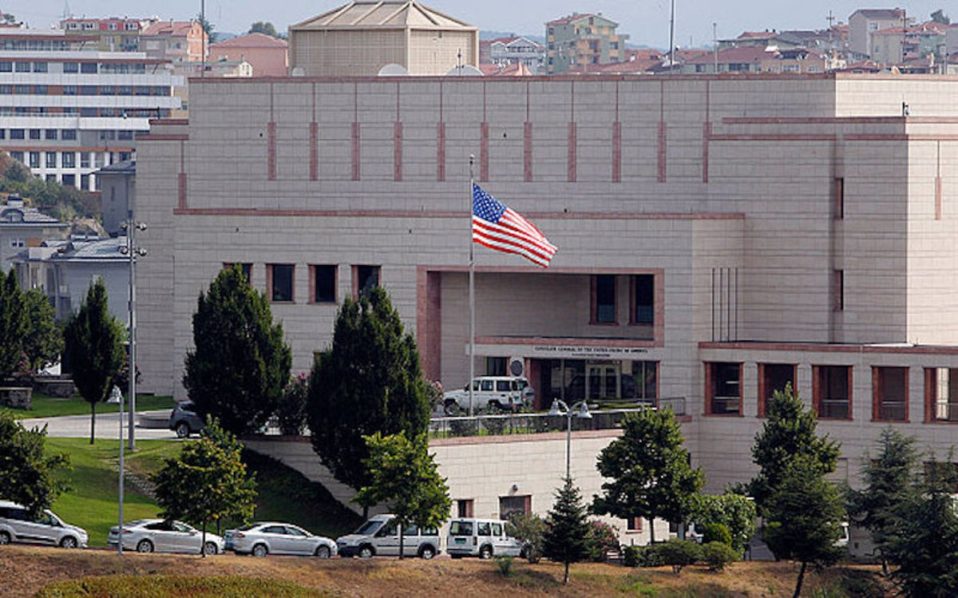
The United States Mission in Nigeria has announced the temporary closure of its Embassy in Abuja and the Consulate General in Lagos in observance of Juneteenth National Independence Day, a federal holiday in the United States.
According to a notice issued by the mission, both diplomatic offices will remain closed on Friday, June 19, 2026, in line with the annual celebration of the historic day.
The announcement was made through the mission’s official X account on Thursday.
“The U.S. Embassy in Abuja and Consulate General in Lagos will be closed on Friday, June 19, 2026, in observance of Juneteenth National Independence Day,” the statement read.
The mission said normal diplomatic and consular activities would resume after the holiday.
The temporary shutdown means that routine services offered by the embassy and consulate will not be available during the period. These include scheduled visa interviews, passport-related services for American citizens, document processing and other non-emergency consular operations.
However, emergency services for U.S. citizens are typically handled through established emergency channels, although the mission did not provide additional details in its announcement.
The closure is expected to affect Nigerians with appointments for visa applications or other routine matters at the U.S. diplomatic offices. Applicants with appointments scheduled for the affected date are usually advised to await further communication regarding rescheduling procedures or check official embassy platforms for updates.
The U.S. Embassy in Abuja and the Consulate General in Lagos play important roles in managing diplomatic relations between Nigeria and the United States. Apart from visa processing and assistance to American citizens in Nigeria, the offices coordinate development programmes, educational exchanges, trade engagements and security cooperation between both countries.
The United States remains one of Nigeria’s major international partners, with thousands of Nigerians applying yearly for immigrant and non-immigrant visas for tourism, education, business and family-related travel.
The closure also highlights the growing global recognition of Juneteenth, a day that marks a major turning point in American history.
Juneteenth is observed every year on June 19 to commemorate the end of slavery in the United States. The name combines the words “June” and “nineteenth,” referring to June 19, 1865.
On that day, Union soldiers arrived in Galveston, Texas, and announced that enslaved African Americans were free. The declaration came more than two years after then-President Abraham Lincoln had issued the Emancipation Proclamation on January 1, 1863.
Although the proclamation had legally declared enslaved people in Confederate states free, enforcement depended largely on the presence of Union troops during the American Civil War. As a result, many enslaved people in Texas did not learn of their freedom until Union forces arrived and issued General Order No. 3 on June 19, 1865.
Over the decades, African American communities commemorated the day through religious services, community gatherings, educational activities, cultural displays and family celebrations. The observance gradually expanded beyond local communities and gained national attention as a symbol of freedom, resilience and the continuing struggle for racial equality.
For many years, campaigners pushed for Juneteenth to receive official national recognition in the United States.
Their efforts succeeded in 2021 when former U.S. President Joe Biden signed legislation making Juneteenth National Independence Day a federal holiday. The development made it the first new federal holiday created in the United States in nearly four decades.
Since then, federal institutions and agencies, including U.S. embassies and consulates around the world, have observed the holiday by suspending normal operations for the day.
In Nigeria, the annual closure of American diplomatic missions during U.S. federal holidays has become a routine practice. Similar temporary shutdowns take place during holidays such as Independence Day, Thanksgiving, Christmas and Martin Luther King Jr. Day.
The embassy often notifies the public ahead of such closures to allow applicants and visitors to plan their activities accordingly and avoid unnecessary trips to its offices.
The latest announcement serves as a reminder to Nigerians seeking consular services to confirm appointment dates and monitor official communication channels for any updates.
While diplomatic activities will pause briefly, the closure reflects the United States’ continued recognition of a historic event that represents the end of slavery and the enduring pursuit of liberty and equal rights.
Normal operations at the U.S. Embassy in Abuja and the Consulate General in Lagos are expected to resume after the Juneteenth holiday. Until then, affected applicants and visitors are advised to make necessary adjustments to their schedules and await further guidance from the U.S. Mission where required.