
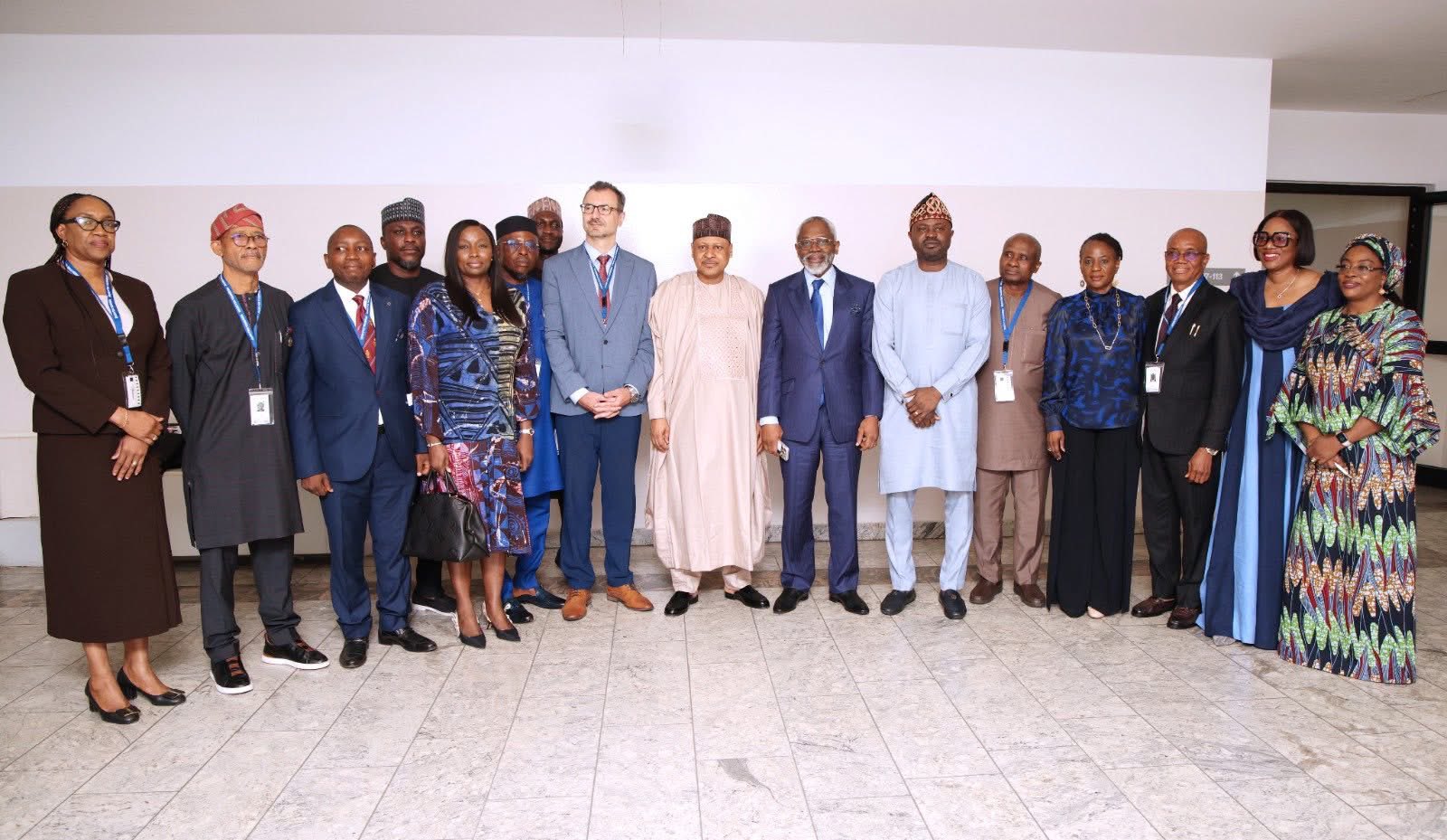
The Federal Government has inaugurated a Presidential Task Force on Ebola Virus Disease Preparedness as part of efforts to prevent a fresh outbreak of the deadly disease in Nigeria.
The task force, set up by the administration of President Bola Tinubu, was inaugurated on Thursday in Abuja by the President’s Chief of Staff, Femi Gbajabiamila. The move comes amid growing concerns over the possibility of the virus spreading across borders, despite the fact that no case has been reported in Nigeria at the moment.
Gbajabiamila said the government had decided to act early to avoid a repeat of the events of 2014 when Nigeria battled an Ebola outbreak after an infected traveller entered the country.
According to him, the focus of the new task force is to strengthen preventive measures rather than wait until the country is forced into emergency action.
“We did the inauguration today on the preparedness of Nigeria for the Ebola virus disease. We’ve covered a lot of ground,” he said.
“Right now, there’s no reported case, which is good news, and that’s why all hands have to be on deck to make sure the measures we are taking are preventive, not curative.”
He stressed that the government was determined not to repeat the mistakes of the past.
“We don’t want to be in the situation we were last time, where we had a carrier in the country and we’re all running helter-skelter,” Gbajabiamila added.
He explained that the task force had established specialised teams to address critical areas of preparedness. These include disease surveillance and tracking, border monitoring, emergency response coordination and information sharing among relevant agencies.
The Chief of Staff noted that one major difference between the current strategy and previous efforts is the increased attention being given to Nigeria’s land borders and unofficial entry routes.
He said earlier disease control measures largely focused on airports, but authorities now recognise that many people move across the country’s porous land borders daily without passing through formal checkpoints.
According to him, the task force is widening its scope to include immigration authorities, the Border Control Development Agency and communities located around border areas.
“We are now covering more ground because there is a lot of cross-migration through land borders,” he said.
The Director-General of the Nigeria Centre for Disease Control and Prevention (NCDC), Dr Jide Idris, also assured Nigerians that the country’s disease surveillance system had been strengthened.
He disclosed that health screening and monitoring activities had already been intensified at major points of entry into the country.
Idris said the preparedness plan brings together several ministries, departments and agencies of government, as well as state authorities, to ensure a coordinated response should any threat emerge.
He added that collaboration among all levels of government would be crucial in preventing the virus from entering the country and containing it quickly if necessary.
The establishment of the task force recalls Nigeria’s successful response to the Ebola outbreak in 2014, which remains one of the country’s biggest public health achievements.
The outbreak began after a Liberian-American diplomat, Patrick Sawyer, arrived in Lagos while infected with the virus. Health authorities quickly traced people who had contact with him, isolated suspected cases and launched an aggressive public awareness campaign.
Through coordinated efforts involving federal and state governments, healthcare workers and international partners, Nigeria was able to contain the disease after recording 20 cases and eight deaths. The World Health Organization later declared the country Ebola-free.
That experience exposed both the strengths and weaknesses of Nigeria’s public health system. While the country’s rapid response won global praise, experts also pointed to the need for stronger surveillance systems, better border monitoring and sustained investment in disease preparedness.
Ebola is a severe and often fatal viral disease transmitted through direct contact with the blood, bodily fluids or tissues of infected persons or animals. Symptoms include fever, weakness, vomiting, diarrhoea and, in severe cases, internal and external bleeding.
Although no Ebola case has been detected in Nigeria, the Federal Government says preparedness remains the best line of defence.
The inauguration of the Presidential Task Force signals the government’s intention to remain vigilant and ensure that the country is not caught unprepared by any potential health emergency.
For many Nigerians, the memories of the 2014 outbreak remain fresh. The latest move by the government is therefore likely to reassure citizens that lessons from the past are being applied to safeguard public health and protect the country from another Ebola crisis.