
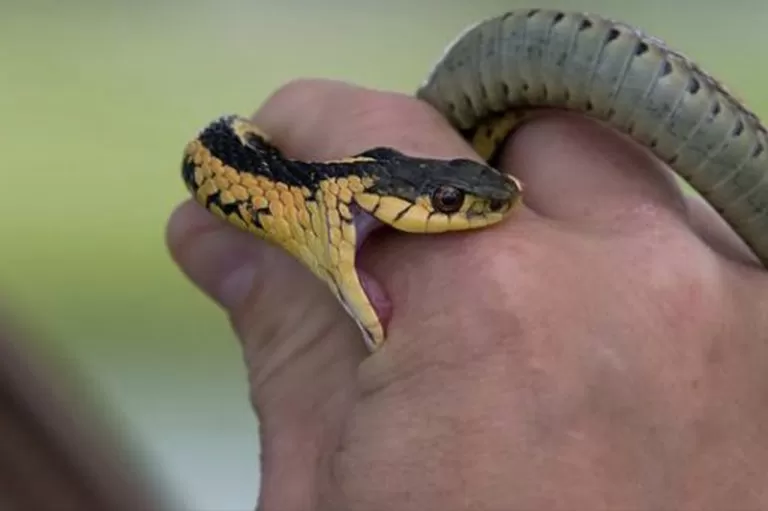
The Benue State Emergency Management Agency (Benue SEMA) has issued a public warning to residents across the state over the growing risk of snake bites as the rainy season intensifies.
The agency urged residents to remain vigilant and take necessary precautions to avoid dangerous encounters with snakes, which are known to become more active during periods of heavy rainfall.
Benue SEMA issued the advisory following reports that several snakebite victims had recently been treated at the Benue State University Teaching Hospital (BSUTH) in Makurdi.
According to the agency, the cases recorded at the hospital underscore the need for increased public awareness and preventive measures, especially as many parts of the state continue to experience regular rainfall.
The agency stressed that the threat is not limited to Internally Displaced Persons (IDP) camps, where concerns about snake infestations are often common.
Rather, it warned that every resident, particularly those living in rural communities and farming areas, could be at risk.
In its advisory, Benue SEMA explained that snakes are usually more active during the rainy season because floodwaters, wet conditions and changes in their natural habitats often force them to move into areas occupied by humans.
As a result, encounters between people and snakes become more frequent during this period.
The agency noted that farmers, hunters, rural dwellers and residents who regularly move through bush paths and farmlands are particularly vulnerable.
It therefore urged people to be careful when carrying out daily activities outdoors.
Residents were advised to keep their surroundings clean by clearing bushes, removing piles of refuse and cutting overgrown vegetation around homes and public spaces.
According to the agency, maintaining a clean environment can significantly reduce the chances of snakes hiding close to residential areas.
Benue SEMA also encouraged residents to exercise caution when walking along village roads, bush paths and farms, especially during the early morning and evening hours when snakes are often more active.
The agency further advised farmers and other outdoor workers to wear protective footwear such as boots while working on farms or moving through grassy areas.
According to emergency officials, proper footwear can help reduce the risk of snake bites to the feet and lower legs, which are among the most common parts of the body affected during snake attacks.
Residents were also urged to use flashlights or other sources of light when moving around at night.
The agency explained that many snakebite incidents occur because people unknowingly step on snakes in dark environments.
Using a flashlight can help individuals identify potential dangers and avoid accidental contact with reptiles.
Benue SEMA stressed that anyone bitten by a snake should immediately seek medical attention at the nearest health facility.
The agency warned against relying solely on traditional remedies or delaying treatment, noting that some snake venoms can cause serious health complications or even death if prompt medical care is not provided.
The agency said community members should also support efforts to educate others about snakebite prevention and emergency response measures.
According to Benue SEMA, protecting communities from snakebite incidents requires collective action and awareness.
The warning comes at a time when many communities across Benue State are actively engaged in farming activities due to the rainy season.
Benue, often referred to as the “Food Basket of the Nation,” has a large population of farmers who spend long hours in fields and rural areas where encounters with snakes are more likely.
The state’s vast farmlands, forests and riverine communities create environments where several species of snakes can be found.
In some cases, rodents and other small animals that serve as food for snakes also move closer to human settlements during the rainy season, attracting the reptiles.
Nigeria records hundreds of snakebite cases annually, particularly in rural communities where farming remains the main occupation.
Public health authorities have repeatedly identified snakebite as a major but often overlooked health challenge in many parts of the country.
Several states in northern and central Nigeria have in the past reported outbreaks of snakebite incidents during farming seasons.
Medical professionals say many victims survive when they receive prompt treatment, but delays in seeking medical help can increase the risk of severe complications.
Benue SEMA therefore urged residents not to take the warning lightly.
The agency highlighted that simple preventive measures such as clearing bushes, wearing protective clothing, using lights at night and seeking immediate medical attention after a bite can save lives.
It also encouraged residents who require emergency assistance, advice or additional information to contact the agency through its established communication channels.
The agency reiterated its commitment to protecting lives and property and called on community leaders, local authorities and residents to work together in reducing the risk of snakebite incidents across the state.
As the rainy season continues, Benue SEMA said vigilance remains the best defense against snake encounters, urging residents to stay alert and prioritize safety in their homes, farms and communities.