
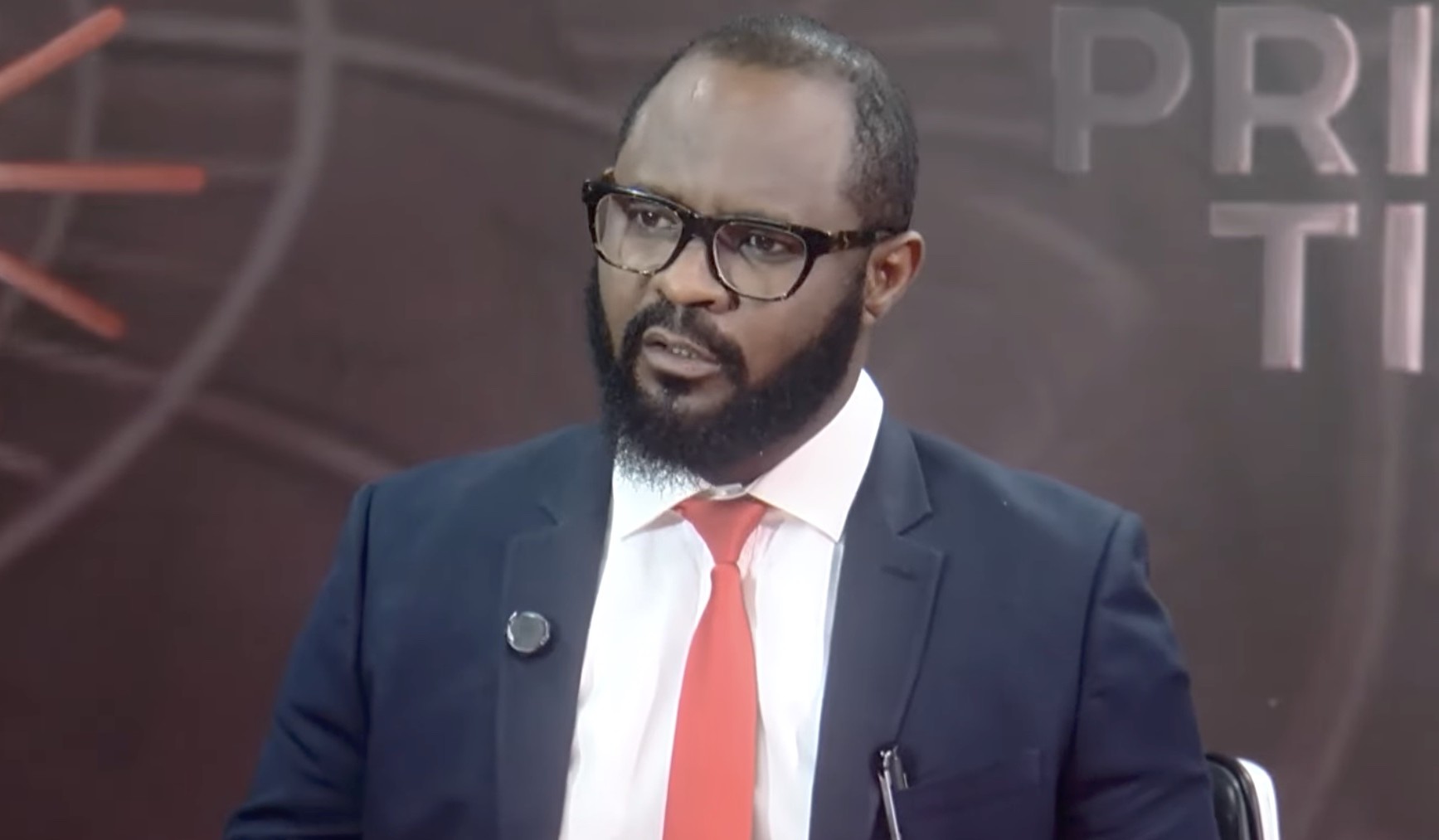
A lawyer representing the Department of State Services (DSS), Fidelis Adedipe, has defended the agency’s decision to prosecute human rights activist and former presidential candidate, Omoyele Sowore, over alleged defamation of President Bola Tinubu, insisting that the activist went beyond the limits of free speech.
Speaking during an interview on *Arise Television’s Prime Time* programme on Thursday, Adedipe said while every Nigerian has the constitutional right to freedom of expression, such rights must be exercised within the limits of the law.
According to him, Sowore crossed the line by referring to President Tinubu as “a criminal” in posts shared on his social media platforms.
He argued that there is a clear difference between expressing criticism of a public office holder and making statements that could be considered defamatory.
“Mr Sowore actually crossed the line. He tweeted, calling the president a criminal, and that is a joke taken a bit too far,” Adedipe said during the interview.
He added that although citizens are free to disagree with or criticise the President, the office itself deserves respect.
“You may not like the occupant of the office of the president, but the office ought to be respected. He was asked to take down the tweet, which he refused,” the lawyer said.
The comments come days after the Federal High Court in Abuja granted Sowore bail in the sum of N200 million following his arraignment over the alleged offence.
The DSS is prosecuting the activist over claims that he knowingly made false and defamatory statements against President Tinubu through posts published on his X, formerly Twitter, account and Facebook page.
According to the security agency, the social media posts described the President as “a criminal,” a statement it considers false, damaging and capable of injuring the President’s reputation.
Sowore, however, has pleaded not guilty to the charges filed against him.
The case has attracted significant public attention, with supporters of the activist describing the prosecution as an attempt to suppress free speech, while others argue that public officials, including the President, are entitled to legal protection against defamatory statements.
The issue has also renewed debate over the limits of freedom of expression in Nigeria, particularly in the age of social media where political commentary and criticism are widely shared.
Nigeria’s Constitution guarantees freedom of expression under Section 39, allowing citizens to hold opinions and communicate ideas without interference. However, legal experts have repeatedly noted that the right is not absolute, as laws relating to defamation, national security and public order can impose restrictions in certain circumstances.
Defamation generally refers to the publication of false statements that damage another person’s reputation. Under Nigerian law, both civil and criminal actions may arise from defamatory publications depending on the circumstances.
The DSS has maintained that its decision to prosecute Sowore is based strictly on the law and not on political considerations.
Adedipe stressed that freedom of speech should not be mistaken for the freedom to make allegations without evidence, especially against the country’s highest public office.
The lawyer insisted that criticism of government policies and actions remains acceptable, but personal attacks or statements that allegedly damage another person’s reputation could amount to criminal conduct.
Sowore, a former presidential candidate of the African Action Congress (AAC), is well known for his activism and frequent criticism of successive Nigerian governments. Over the years, he has faced several legal battles involving the authorities, many of which have generated widespread public debate and drawn reactions from civil society groups and rights organisations.
His supporters have consistently argued that his comments and activities are protected by the constitutional right to freedom of expression and political participation.
The ongoing trial is expected to further test the balance between constitutional rights and the enforcement of Nigeria’s defamation laws.
The Federal High Court is expected to continue hearing the matter in the coming weeks as both the prosecution and the defence prepare to present their arguments before the court.