
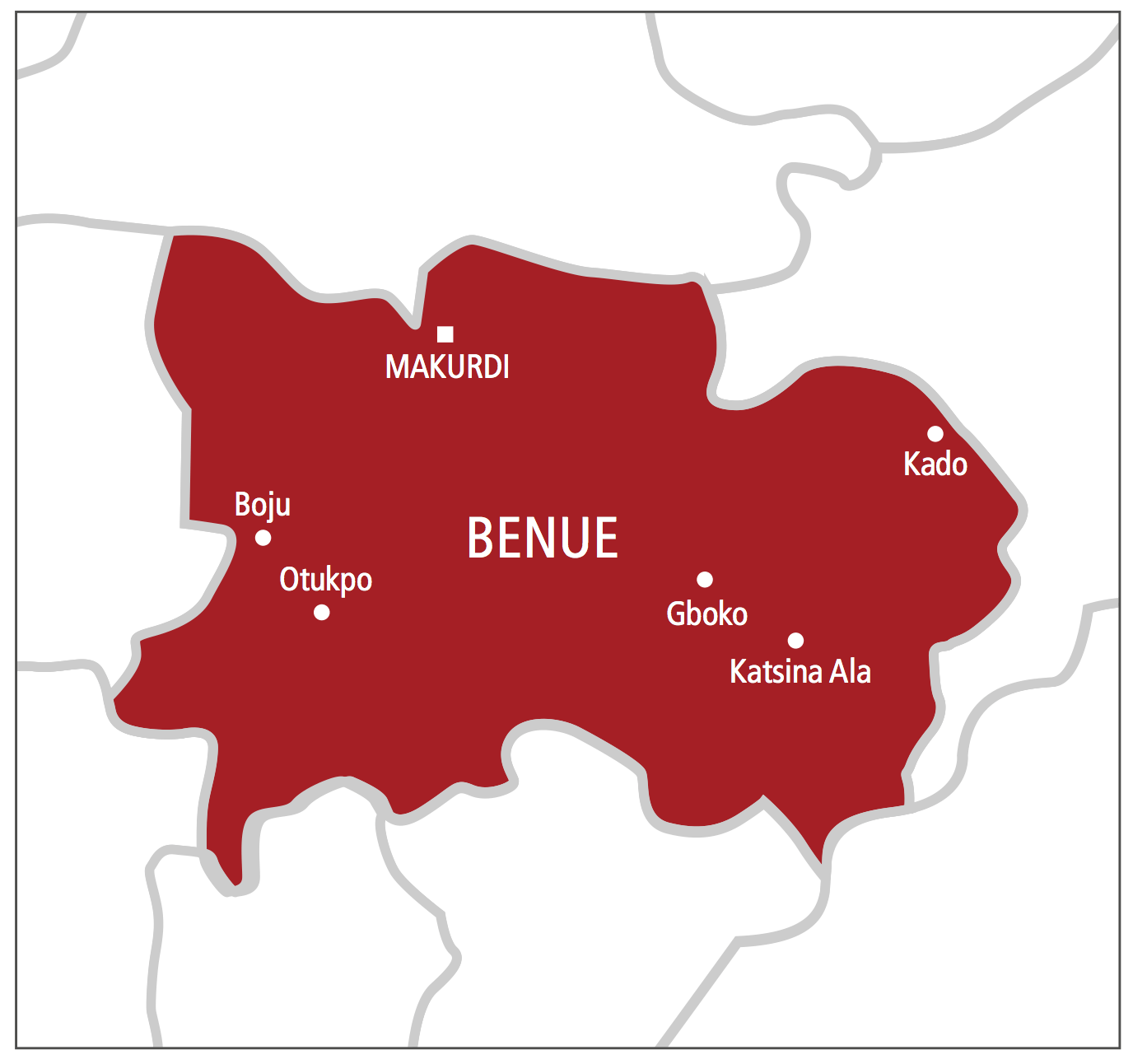
The Benue State Government has confirmed that only one laboratory-confirmed case of Lassa fever was recorded in the state over the past one month, with no deaths reported during the period, reflecting what officials described as the success of ongoing disease surveillance and response measures.
The Commissioner for Health and Human Services, Dr. Paul Ogwuche, disclosed this on Friday while briefing journalists in Makurdi on the state’s Lassa fever situation for Epidemiological Week 27, covering June 28, 2026, to date.
According to the commissioner, health authorities investigated 45 suspected cases of the viral disease during the review period. However, laboratory tests confirmed only one positive case, while all the remaining samples tested negative.
Ogwuche said the latest figures show a significant reduction in the spread of the disease in the state, adding that the government remains alert despite the end of the annual peak transmission season.
He explained that although Lassa fever cases usually decline after the dry season, the disease remains endemic in Nigeria, making it necessary to continue close monitoring across all parts of Benue State.
“The peak transmission season may have ended, but isolated cases can still occur. That is why we have sustained surveillance activities in all 23 local government areas to ensure early detection and prompt response,” he said.
The commissioner stated that the state’s disease surveillance system has focused on identifying suspected cases quickly, ensuring rapid laboratory diagnosis, providing immediate treatment where necessary, strengthening infection prevention and control measures, and educating residents on ways to prevent the disease.
He attributed the state’s zero death record during the review period to an effective disease surveillance network, a swift emergency response system, and improved clinical management of patients with suspected Lassa fever.
According to him, the government has continued to implement several preventive measures aimed at reducing the risk of infections across communities and healthcare facilities.
These measures include active disease surveillance, prompt reporting of suspected cases, timely laboratory testing, stricter infection prevention and control protocols in public and private hospitals, and regular training programs for healthcare workers.
Ogwuche also said the state government has expanded public awareness campaigns to educate residents on the importance of environmental sanitation, proper food storage, safe food handling practices, and rodent control, which remain critical in preventing the spread of Lassa fever.
He urged residents to seek medical attention immediately if they develop symptoms such as persistent fever, weakness, headache, sore throat, vomiting, chest pain, or unexplained bleeding, rather than resorting to self-medication.
The commissioner added that the Ministry of Health and Human Services is working closely with the Nigeria Centre for Disease Control and Prevention (NCDC), the World Health Organisation (WHO), and other development partners to strengthen disease prevention efforts and emergency preparedness across the state.
He noted that the collaboration has improved the state’s ability to detect outbreaks early, respond quickly to suspected cases, and reduce the risk of widespread transmission.
Ogwuche said the government’s continued investment in surveillance and public health interventions has contributed to the steady decline in Lassa fever cases recorded in Benue in recent months.
He assured residents that the ministry would not relax its efforts despite the encouraging figures, stressing that health officials remain prepared to respond to any new cases that may arise.
Lassa fever is an acute viral haemorrhagic illness caused by the Lassa virus. The disease is commonly spread through contact with food or household items contaminated by the urine or droppings of infected multimammate rats, which are widespread in many parts of West Africa.
The virus can also spread from person to person through direct contact with the blood, urine, saliva, vomit, or other body fluids of an infected individual, particularly in healthcare settings where infection prevention measures are inadequate.
Nigeria records Lassa fever cases every year, especially during the dry season, which usually runs from November to April. The disease remains a major public health concern because of its ability to spread rapidly if not detected and treated early.
The Nigeria Centre for Disease Control and Prevention has consistently advised Nigerians to keep their surroundings clean, store food in rodent-proof containers, dispose of waste properly, and avoid contact with rats and their droppings.
Benue State has, over the years, strengthened its disease surveillance system as part of broader efforts to improve public health emergency response. The latest report showing only one confirmed case and no deaths over the past month is expected to encourage health authorities to sustain existing interventions while maintaining vigilance against future outbreaks.