
South Africa has asked Nigeria, Malawi and Ethiopia to reimburse part of the money it has spent repatriating their nationals as the country steps up its crackdown on undocumented migration.
The South African Department of Home Affairs said it had written to the embassies of the three countries through the Department of International Relations and Cooperation, seeking reimbursement for almost R300 million spent on the repatriation operation.
The amount is about $18.5 million.
The request comes as South Africa intensifies efforts to remove undocumented foreign nationals from the country amid growing pressure over immigration, jobs, public services and border control.
According to the Department of Home Affairs, the government had processed 82,875 foreign nationals through its repatriation centres as of August 6.
The figure does not include people who were repatriated before June 30 or those whose cases were handled directly by the Border Management Authority.
The scale of the operation has placed a major financial burden on South Africa’s immigration enforcement system.
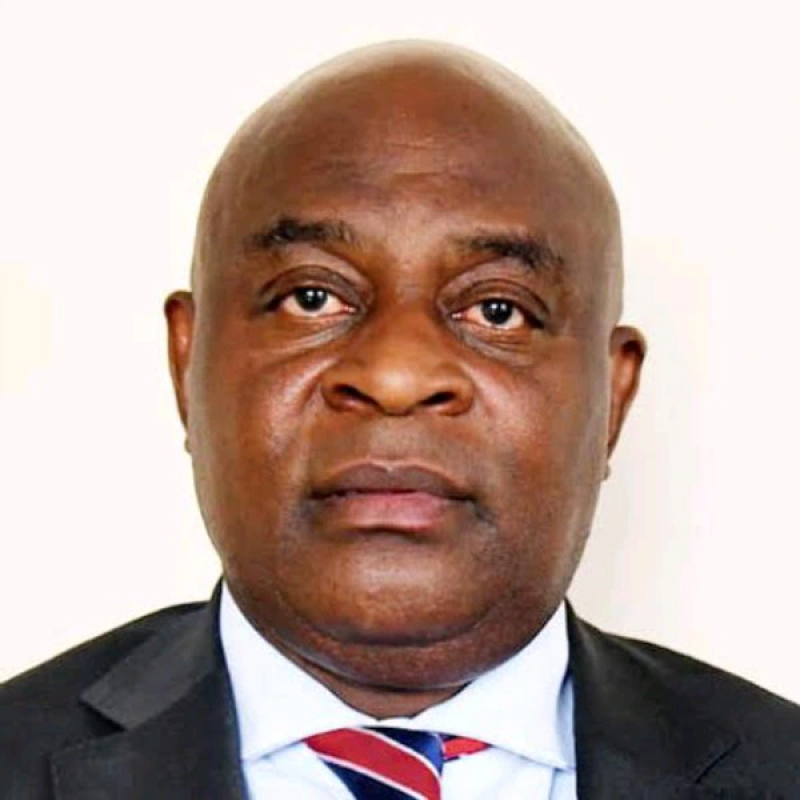
, told Parliament’s Portfolio Committee on Home Affairs that the department had spent R292 million on the repatriation operation.
The expenditure was far above the R60 million originally allocated for deportations.
This means the department has already spent nearly five times its budget for the exercise, putting additional pressure on government finances.
Makhode said transport accounted for the largest part of the expenditure, as authorities moved undocumented migrants from different locations to repatriation centres and border points.
The South African government is now seeking to recover part of the money spent on the operation from the countries whose nationals have been returned or are being prepared for return.
Malawians accounted for the largest group of people being returned or deported, followed by Zimbabweans and Mozambicans.
Nigeria and Ethiopia are also among the countries whose citizens have been affected by the enforcement operation.
The Department of Home Affairs said it had sent the reimbursement request to the relevant embassies through South Africa’s Department of International Relations and Cooperation.
Pretoria is now waiting for responses from the three governments.
The move could open a fresh discussion between South Africa and the affected countries over who should bear the cost of repatriating undocumented migrants.
South Africa has for years struggled with irregular migration, particularly from other African countries. Its relatively large economy and higher wages compared with many countries in the region have made it a destination for migrants seeking jobs and better living conditions.
However, the presence of large numbers of undocumented migrants has also become a major political and social issue.
South African authorities have increased immigration enforcement in response to public complaints about undocumented foreigners, although the issue has remained highly sensitive because of the possible impact on regional relations and the safety of migrants.
The latest repatriation exercise comes against the background of a surge in anti-immigrant protests in parts of South Africa.
Some groups have accused foreign nationals of taking jobs, operating businesses illegally and putting pressure on public services. Migrant communities and rights groups have, however, rejected blanket accusations against foreigners and warned against xenophobia and violence.
The situation has also prompted some African governments to organise voluntary returns for their citizens.
Authorities in affected countries have at various times encouraged their nationals to return home when concerns were raised about their safety or when immigration enforcement became more intense.
South Africa’s latest move therefore combines two issues: the enforcement of immigration laws and the financial cost of returning people who do not have legal permission to remain in the country.
The government has argued that undocumented migration places additional demands on state resources, while critics have called for enforcement to be carried out in a manner that respects the rights and dignity of migrants.
The figures provided by the Department of Home Affairs show the scale of the current operation.
Apart from the tens of thousands processed through repatriation centres, South African authorities have continued deportations through the Lindela Repatriation Centre, one of the country’s main facilities for holding undocumented migrants before deportation.
Home Affairs said 44,607 foreign nationals were deported from Lindela during the previous financial year.
A further 16,078 foreign nationals were deported between April 20 and July 28 this year.
These figures demonstrate that deportation remains a major part of South Africa’s immigration policy.
The government has also been strengthening border controls as it seeks to prevent undocumented migrants from entering the country.
The Border Management Authority plays a key role in controlling the country’s borders, while the Department of Home Affairs is responsible for immigration and deportation matters.
South Africa shares land borders with several countries, including Zimbabwe, Mozambique, Botswana, Eswatini, Lesotho and Namibia. Its position as an economic hub in the region means that the movement of people across these borders is a major issue for the government.
Nigeria, although geographically farther away, has a large community of nationals living and working in South Africa.
Nigerians have been active in sectors such as business, education, entertainment and professional services. However, Nigerians have also been among foreign nationals affected by South Africa’s immigration enforcement exercises over the years.
Relations between Nigeria and South Africa have generally been important to both countries, given their economic and political influence on the continent. The two countries have maintained diplomatic ties and cooperate in areas including trade, investment, security and regional affairs.
However, tensions have sometimes emerged over the treatment of Nigerians and other African migrants in South Africa.
Previous incidents involving xenophobic attacks against foreign nationals have generated strong reactions from the Nigerian government and public. Nigeria has repeatedly called on South African authorities to protect its citizens and ensure that offenders are held accountable.
The latest reimbursement demand is different from those disputes because it concerns the financial responsibility for repatriation.
South Africa appears to be arguing that countries whose citizens are being returned should contribute to the cost of transporting them back home.
The government’s request, however, could raise questions over the legal and diplomatic basis for such payments and whether the affected governments will agree to the demand.
For Nigeria, the issue could require careful diplomatic handling because the country has a significant citizen population in South Africa and has an interest in protecting the rights of Nigerians living there.
The South African government, on its part, is under pressure to demonstrate that its immigration laws are being enforced effectively while also managing the financial burden associated with deportations.
The R292 million already spent is significantly higher than the department’s original R60 million allocation.
With tens of thousands of migrants processed and more deportations expected, the cost could rise further if the enforcement operation continues at its current pace.
Transport costs are particularly important because authorities must move migrants from different parts of the country to repatriation centres and then to border points or airports for their return.
The reimbursement request is therefore part of South Africa’s wider effort to manage the cost of its immigration policy.
Pretoria is now waiting for responses from Nigeria, Malawi and Ethiopia.
The outcome of the request could have implications beyond the three countries, particularly if South Africa seeks similar arrangements with other African governments in the future.
.