
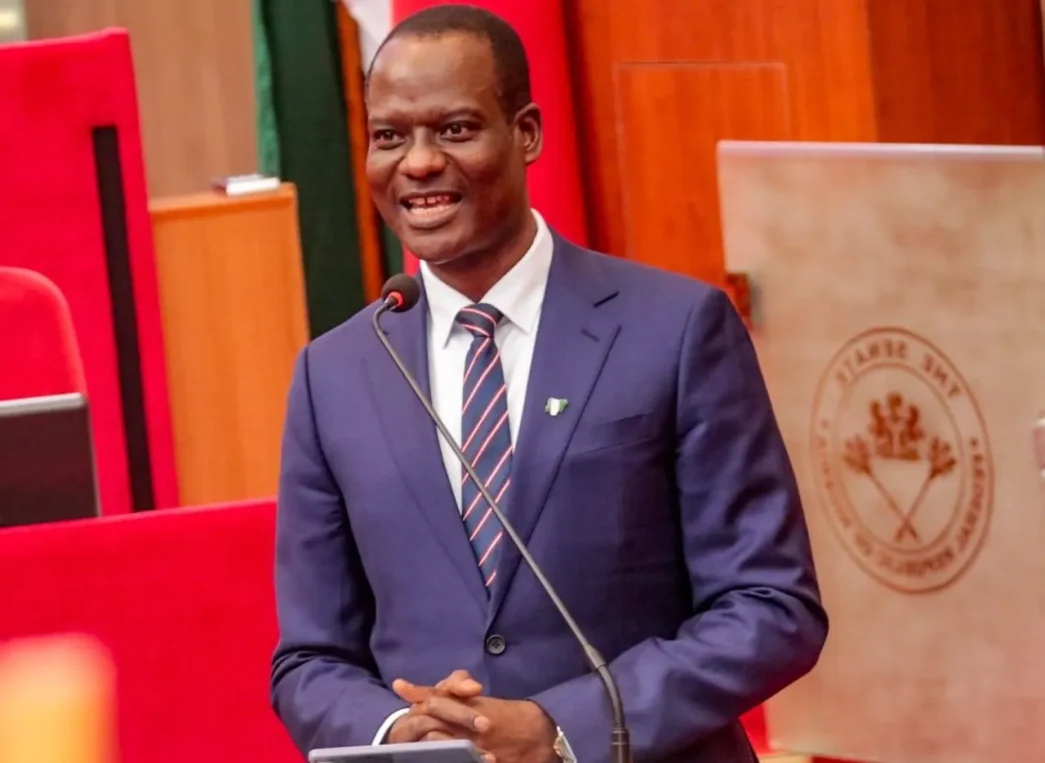
The Federal Government has welcomed the decision by global index provider FTSE Russell to reclassify Nigeria’s capital market from “Unclassified” to “Frontier Market” status.
The reclassification, which takes effect from the opening of trading on Monday, September 21, 2026, marks Nigeria’s return to the global Frontier Market universe nearly three years after the country was removed from the index.
The government said the development was a major boost for Nigeria’s efforts to restore the confidence of foreign investors and strengthen the country’s capital market.
The Minister of Finance and Coordinating Minister of the Economy, Taiwo Oyedele, said the decision followed sustained improvements in foreign exchange liquidity, capital repatriation and access to the Nigerian market.
In a statement issued on Friday, Oyedele said the reclassification reflected the impact of the Federal Government’s economic and structural reforms.
“The Federal Ministry of Finance welcomes the confirmation by global index provider FTSE Russell that Nigeria’s capital market will be reclassified from ‘Unclassified’ to ‘Frontier Market’ status, effective from the opening of trading on Monday, 21 September 2026,” he said.
The minister described the development as an important recognition of Nigeria’s economic reform efforts and a foundation for the next stage of the country’s capital market development.
“It is a meaningful signal to global capital that our market is open, orderly and improving,” Oyedele said.
“It reflects years of disciplined work across government and the private sector to restore confidence in our economy. We see this as a milestone, not a destination.”
Nigeria’s return to the Frontier Market category is significant because international investors and investment funds often use global market indices to determine where to allocate funds.
A market’s classification can influence how international investors view its accessibility, liquidity, regulatory environment and ease of moving money into and out of the country.
Nigeria was removed from FTSE Russell’s Frontier Market classification in September 2023 and placed in the “Unclassified” category.
The change came after investors faced difficulties in accessing foreign exchange and repatriating capital from Nigeria.
Foreign investors had complained for years about difficulties in obtaining foreign exchange and taking their investment proceeds out of the country. The situation became more difficult as the country faced a shortage of foreign currency and growing pressure on the naira.
The challenges affected the attractiveness of Nigerian financial assets to international investors and contributed to concerns about the ease of doing business in the country’s capital market.
Since then, the Federal Government and financial sector authorities have introduced several reforms aimed at improving the foreign exchange market, strengthening transparency and restoring confidence.
The Central Bank of Nigeria has made changes to the foreign exchange market while the government has also worked to improve the broader macroeconomic environment.
The government said these measures, combined with reforms in the capital market, helped to address some of the concerns that led to Nigeria’s previous exclusion.
Oyedele said the latest FTSE Russell decision showed that the reforms were beginning to produce results.
He said the government’s ambition, however, went beyond returning Nigeria to the Frontier Market category.
According to him, Nigeria wants to build a capital market that is deep, liquid and competitive enough to qualify for “Emerging Market” status in the near future.
“The ministry remains committed to working with market regulators and institutions to deepen liquidity, broaden participation and strengthen investor protections, with the medium-term goal of positioning Nigeria for progression to Emerging Market status,” he said.
The difference between Frontier and Emerging Market classifications is important for investors.
Frontier markets are generally smaller and less developed than emerging markets but can offer investors opportunities for growth. Emerging markets, on the other hand, typically have larger and more developed financial markets, greater liquidity and stronger participation by international investors.
Moving towards Emerging Market status could therefore increase Nigeria’s appeal to a wider group of global investors and potentially attract more foreign capital into the country.
However, the government will need to maintain and deepen the reforms that have led to the latest reclassification.
Nigeria’s capital market remains one of the major sources of funding for businesses and government. Companies can raise money through the stock market and other financial instruments, while investors can buy shares and other securities as part of their investment plans.
A deeper and more active capital market can reduce dependence on bank financing and government borrowing while providing businesses with more options for raising long-term funds.
The Nigerian Exchange has also undergone reforms in recent years aimed at improving market infrastructure, attracting investors and increasing the number of financial products available to market participants.
Oyedele commended the Securities and Exchange Commission, the Central Bank of Nigeria, the Nigerian Exchange Group, the Central Securities Clearing System and other capital market operators for their role in securing the reclassification.
He said their combined efforts in regulatory reform, modernising market infrastructure and engaging investors had been important in restoring Nigeria’s position among global index providers.
“Their coordinated efforts spanning regulatory reform, market infrastructure modernisation and investor engagement have been central to restoring Nigeria’s standing among global index providers,” the minister said.
The Securities and Exchange Commission is responsible for regulating Nigeria’s capital market, while the Central Bank plays a major role in the country’s monetary and foreign exchange policies.
The Nigerian Exchange Group operates the country’s main securities exchange, while the Central Securities Clearing System provides important clearing, settlement and custody services for transactions in the capital market.
The government said cooperation among these institutions would remain necessary as Nigeria seeks to attract more domestic and international investors.
For the country, the return to the Frontier Market index also comes at a time when the government is seeking to improve economic growth, increase foreign investment and strengthen the naira.
The administration of President Bola Tinubu has introduced several economic reforms since 2023, including changes to the foreign exchange system and the removal of fuel subsidy.
The reforms have generated significant economic pressure on households and businesses, particularly through higher prices and increased cost of living. At the same time, the government has argued that the measures are necessary to correct long-standing weaknesses in the economy and create conditions for stronger investment and growth.
The latest FTSE Russell decision provides the government with an international endorsement of some of the changes in the financial market.
However, analysts and investors will still be watching whether the improvements in foreign exchange liquidity and capital repatriation can be sustained over time.
For international investors, consistent access to foreign exchange and the ability to move legitimate investment funds in and out of the country remain important factors in deciding whether to invest in Nigeria.
The government therefore faces the task of ensuring that the reforms that helped secure the reclassification are maintained.
Oyedele said the Federal Ministry of Finance would continue to support policies aimed at making Nigeria’s capital market deeper, more transparent and globally competitive.
He said the capital market remained an important part of the Federal Government’s economic transformation programme.
The minister stressed that the Frontier Market classification should be seen as a step towards a bigger objective rather than the end of the reform process.
Nigeria’s return to the FTSE Russell Frontier Market universe is expected to improve the country’s visibility among international investors and could help strengthen confidence in its financial market.
The immediate impact on investment flows, however, will depend on how investors respond to the improved market classification and whether Nigeria can maintain progress in foreign exchange liquidity, regulation, transparency and capital repatriation.