
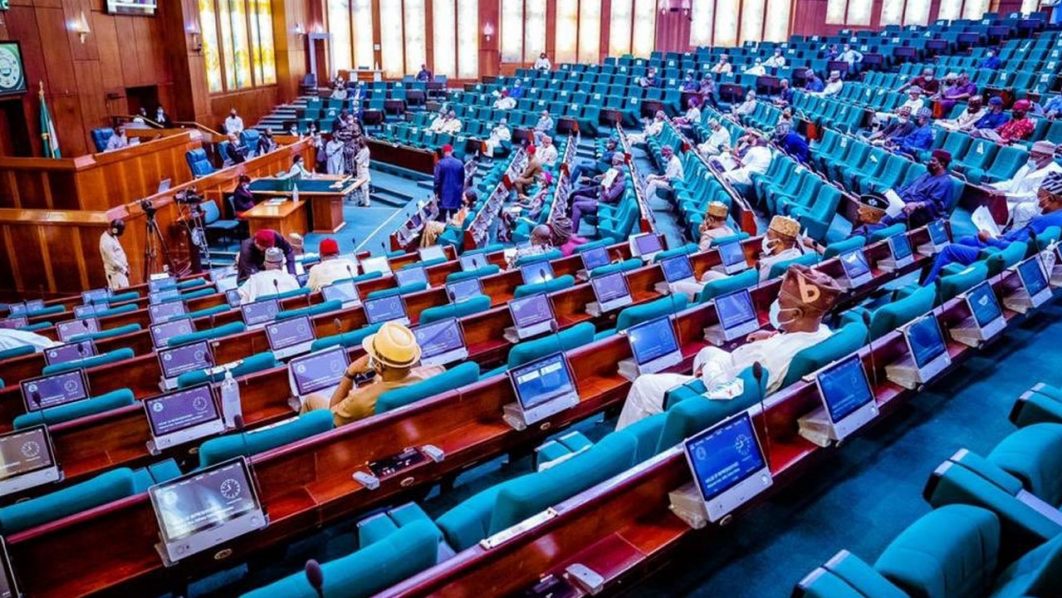
The House of Representatives Committee on Power has ordered electricity distribution companies with outstanding market obligations to urgently settle their debts, warning that prolonged failure to meet their financial commitments could weaken Nigeria’s electricity market.
The committee said improved liquidity was necessary to keep the power sector running effectively and support efforts to provide more reliable electricity to consumers.
The committee, chaired by Hon. Nwokolo Onyemaechi, gave the warning in a statement issued on Thursday after members witnessed a public hearing on the outstanding market obligations of the Ibadan Electricity Distribution Company.
The hearing was chaired by the Executive Director, Market Operations of the Nigerian Independent System Operator, Edmond Eje. It formed part of NISO’s ongoing engagements with selected electricity distribution companies over unpaid market obligations, Events of Default and other compliance issues in the Nigerian Electricity Market.
Speaking through the statement, Onyemaechi expressed concern over the growing debts owed by some DisCos and urged the affected companies to take immediate steps to settle their obligations.
He said the continued accumulation of debts could create serious problems for the electricity market because companies operating within the sector depend on regular payments to maintain their operations and meet their own financial responsibilities.
The committee chairman called on IBEDC and other indebted DisCos to make every effort within their capacity to clear their outstanding obligations and comply fully with the rules governing the electricity market.
According to the committee, the affected electricity distribution companies are Benin Electricity Distribution Company, Enugu Electricity Distribution Company, Ibadan Electricity Distribution Company, Jos Electricity Distribution Company, Kaduna Electricity Distribution Company, Port Harcourt Electricity Distribution Company and Kano Electricity Distribution Company.
Onyemaechi said, “The affected DisCos are Benin Electricity Distribution Company (BEDC), Enugu Electricity Distribution Company (EEDC), Ibadan Electricity Distribution Company (IBEDC), Jos Electricity Distribution Company (JEDC), Kaduna Electricity Distribution Company (KAEDCO), Port Harcourt Electricity Distribution Company (PHEDC) and Kano Electricity Distribution Company (KEDCO).”
He warned that prolonged failure to meet financial obligations could adversely affect the liquidity and sustainability of the electricity market.
The latest development comes against the background of long-running financial problems in Nigeria’s power sector. The electricity market involves several players, including power generation companies, the transmission system and distribution companies. Money owed by one part of the chain can affect the ability of other parts to operate.
Distribution companies collect payments from electricity consumers and are expected to meet their financial obligations to other participants in the market. However, poor revenue collection, unpaid electricity bills, tariff issues, energy losses and other financial pressures have continued to affect the ability of some DisCos to meet their obligations.
The government and regulators have introduced several reforms over the years in an effort to improve the sector. Despite these efforts, problems with electricity supply, payment shortfalls and debts among market participants remain major concerns.
Following the public hearing, the lawmakers proceeded with their scheduled oversight engagement with the management of NISO.
Welcoming the committee to the NISO office, its Managing Director and Chief Executive Officer, Engineer Abdu Mohammed, commended the lawmakers for their oversight role and continued support for reforms in the electricity sector.
Mohammed said the establishment of NISO was one of the major outcomes of the reforms introduced under the Electricity Act, 2023.
The law provided a framework for the unbundling of the Transmission Company of Nigeria and the creation of an independent System Operator.
NISO is responsible for key functions relating to the operation of the electricity system and market. Its role includes helping to coordinate the national power system and supporting the smooth operation of the electricity market.
Mohammed briefed the committee on NISO’s development since its establishment, its mandate and its five-year development plan.
According to him, the plan is designed to strengthen system operations, improve electricity market operations, enhance system planning and support better coordination of Nigeria’s power system.
He also stressed the need for stronger cooperation between the National Assembly, NISO and other institutions within the Nigerian Electricity Supply Industry.
Mohammed said such cooperation was important to address the structural and financial problems facing the sector.
He welcomed the committee’s intervention on market defaults by DisCos, saying improved liquidity throughout the electricity market would strengthen the ability of companies and other participants to meet their obligations.
He added that a healthier financial system would help market participants sustain their operations and, in the long run, contribute to improved electricity service for consumers.
The NISO chief executive appealed to the National Assembly to continue providing support and constructive oversight for reforms in the sector.
He said sustained cooperation among the various institutions would be necessary to strengthen the electricity market, stabilise the national grid and improve the reliability and sustainability of electricity supply across the country.
The call by the lawmakers also highlights the wider challenge facing Nigeria’s electricity sector, where improvements in power generation and transmission can be undermined by financial difficulties among market participants.
Nigeria has continued to face challenges in providing stable electricity to households and businesses. Manufacturers, small businesses and other consumers have repeatedly complained about inadequate power supply and the high cost of alternative sources of energy.
The government has been pursuing reforms aimed at making the sector more financially sustainable and attracting investment. The Electricity Act, 2023, was part of those efforts, giving states a greater role in the electricity market and providing for changes in the structure and operation of the sector.
However, lawmakers and sector operators have continued to stress that reforms must be supported by stronger financial discipline.
For the affected DisCos, the House committee’s latest position means that outstanding market obligations will remain under close scrutiny. The lawmakers are also expected to continue their oversight of the electricity market as the government works with operators to address the financial and operational problems affecting the sector.
For consumers, the larger concern is whether improvements in the financial health of the electricity market will eventually lead to more dependable power supply.
The House committee believes that ensuring that market participants meet their financial obligations is an important step towards achieving that goal. It therefore urged the affected DisCos to act quickly and comply with the rules of the electricity market.