
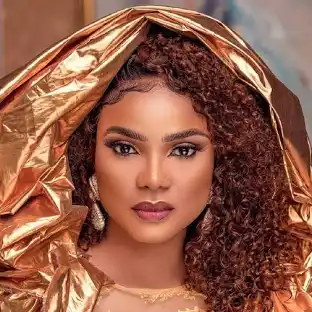
Nollywood actress Iyabo Ojo has made a deeply personal revelation, sharing her harrowing experience of being raped five times and her resolve to confront rape culture. In an emotional interview with fellow actress Biola Bayo on her show Talk to B, the 47-year-old spoke candidly about her past, her upbringing, and her zero-tolerance stance on rape apologists.
“I was raped five times in my life,” she disclosed, her voice heavy with emotion. “I discovered we have a lot of rape apologists. I don’t care who the person is; if that person is my son, I am going to come for him unapologetically.”
Iyabo’s statement sent ripples across social media platforms, with many lauding her bravery while others debated the implications of her uncompromising stand.
Fighting Rape Culture
Iyabo’s bold admission underscores a persistent problem in Nigerian society—rape and the systemic protection of perpetrators. In recent years, the country has witnessed a surge in advocacy for victims of sexual violence, fueled by movements like #SayNoToRape and #JusticeForAll.
According to the United Nations, one in four Nigerian girls has experienced sexual violence before turning 18, making the issue both personal and national for many women. By speaking out, Iyabo joins a growing list of celebrities leveraging their platforms to amplify the voices of survivors.
Social commentator Chioma Onyekwere remarked, “Iyabo’s story is heartbreaking but also empowering. It takes courage to share such pain in a culture where victims are often shamed.”
Clearing the Air on Naira Marley
In the same interview, Iyabo addressed lingering rumors about her alleged association with controversial British-Nigerian singer Azeez Fashola, popularly known as Naira Marley.
“I have never met Naira Marley before in my entire life,” she declared, unequivocally shutting down the speculation.
Naira Marley, known for his music and controversial persona, has often been linked to scandals. While Iyabo’s clarification may put this rumor to rest, it highlights how public figures frequently grapple with misinformation.
Childhood Shadows and Family Struggles
Iyabo also opened up about her turbulent childhood, revealing a fractured family life that shaped her resilience. Raised in Lagos by her grandmother, she grew up estranged from her parents.
“My dad did everything—alcohol and drugs—so it messed him up at a young age. He died at 49,” she said, her voice tinged with sorrow.
The actress described her grandmother as a stabilizing force in her life, one who shielded her from the chaos surrounding her parents’ struggles. “I grew up with my grandmother, who is half Delta and half Igbo. I think I was seven before I knew my mother,” she recalled.
This poignant glimpse into Iyabo’s formative years sheds light on the emotional scars she carries. Yet, her story is also one of triumph—of overcoming trauma to become a celebrated actress and advocate.
A Broader Advocacy
Beyond her revelations, Iyabo’s interview serves as a rallying cry against rape and societal complacency. Her declaration that she would not hesitate to confront even her own son if he were guilty of such an act underscores her commitment to justice.
Activist and lawyer Blessing Adeniyi applauded Iyabo’s stance. “This is the kind of accountability we need in our society. Too often, perpetrators are shielded by family and friends, perpetuating the cycle of abuse.”
Iyabo’s courage to confront her past also highlights the importance of creating safe spaces for victims to share their stories. Experts emphasize that societal change requires not just legal reforms but also a cultural shift that prioritizes victims’ voices over protecting reputations.
The Role of Nollywood in Advocacy
As one of Nollywood’s most recognizable faces, Iyabo’s advocacy carries weight. The Nigerian film industry has increasingly taken on social issues, with recent productions tackling themes like domestic violence, sexual abuse, and mental health.
However, critics argue that more can be done. “Nollywood has a powerful platform to drive change, but we need more films addressing these issues head-on,” said filmmaker Kunle Adebayo.
Iyabo’s interview may inspire further dialogue within the industry, encouraging others to use their influence to challenge societal norms.
Public Reaction
Iyabo’s revelations have sparked widespread conversation, with fans and critics alike weighing in. Many have praised her bravery, while others question the potential backlash such openness might invite.
“People don’t understand how liberating it is to own your story,” tweeted media personality Toke Makinwa. “Iyabo Ojo is a queen for this.”
Conversely, some critics have accused the actress of seeking attention, a claim Iyabo has faced before but consistently brushed aside.
A Message of Resilience
For Iyabo Ojo, sharing her story is not just about recounting her pain but about fostering change. Her life is a testament to resilience—from surviving multiple assaults to rising above family challenges and becoming a beacon of hope for others.
“I am a survivor,” she said firmly, her determination evident.
In a country where many victims remain silenced by stigma and fear, Iyabo’s voice rings loud and clear. Her message is simple but powerful: rape apologists will find no refuge in her world.